
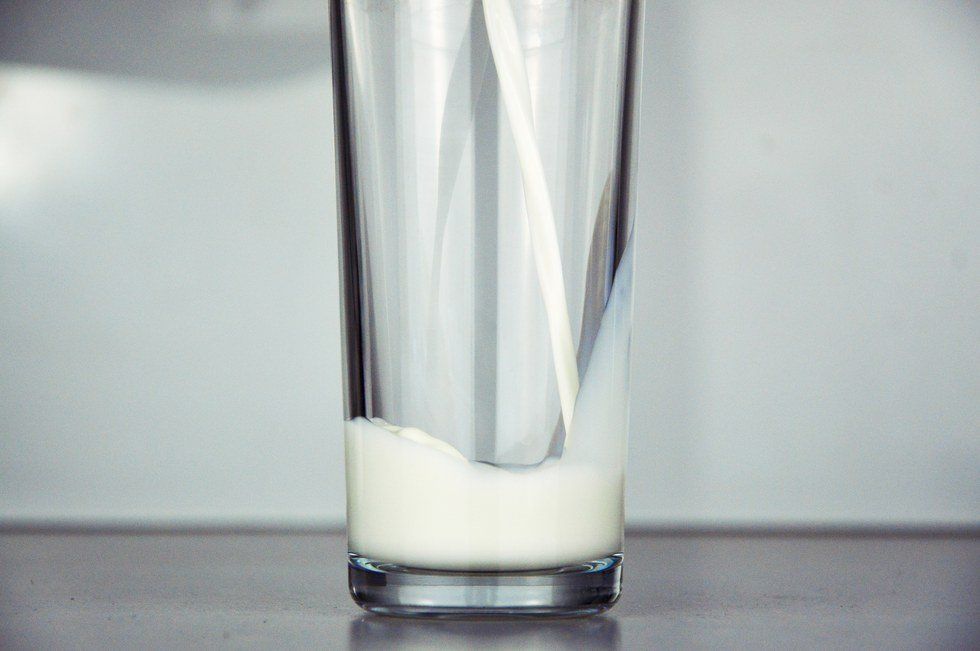
Dairy has been a highly controversial subject for quite a number of years.
On one hand, there are those that claim dairy is a cancer-causing, acne-inducing, heart-failing substance that will leave you more bloated than the blueberry girl on Willy Wonka and the Chocolate Factory.
On the other hand, there are those that claim dairy to be the nectar of the gods, providing you with bones as strong as steel, never-failing health and leaving you skinnier than Miss Universe and more jacked than Arnold Schwarzenegger.
Since it seems no-one can agree, here are the findings from 32 research studies demonstrating the pros and cons of dairy consumption.
Pros:
Body Composition
Resistance training and milk/dairy consumption positively impact body composition in women by promoting losses in fat, gains or maintenance of lean mass and preservation of bone.
The inclusion of dairy products in energy-restricted weight loss diets promotes increased weight loss, lower body fat mass, increased lean muscle mass and decreased waist size.
Consumption of dairy products, dairy protein, and calcium was associated with lower body fat percentages, smaller hip and waist circumferences, and a lower BMI.
The increase of dairy intake (0.4 servings increase) is the main dietary factor associated with a reduction of body weight in overweight adults after lifestyle change program.
Bone Health
Diets higher in dairy foods, dietary calcium, and protein with daily exercise, favorably affected bone health.
Promoting regular physical activity and sufficient dairy consumption in young children and limiting sedentary behavior can be expected to positively influence their bone mass accumulation, which can help in the prevention of osteoporosis later in life.
A diet high in protein, dairy, and calcium lessens bone loss over twelve months of weight loss and maintenance.
Type 2 Diabetes
Higher intake of yogurt is associated with a reduced risk of Type 2 Diabetes, whereas other dairy foods and consumption of total dairy do not increase the risk of Type 2 Diabetes.
The consistent consumption of protein-rich dairy foods, cultured dairy foods, and/or dairy protein supplements may likely work to improve the glycemic health of many individuals with Type 2 Diabetes AND increasing use of dairy foods aids in reducing the risk of Type 2 Diabetes.
Dairy food consumption increases insulin sensitivity (which decreases your chances of getting Type 2 Diabetes and helps ignite fat loss).
Heart Health
Those who consumed at least 5 servings per week of these dairy products had a significantly higher CHS (Cardiovascular Health Score) than those who consumed these products less frequently. Higher whole-fat dairy food intake was also associated with other positive health behaviors, including being a nonsmoker, consuming the suggested dietary intakes of recommended foods, and having a normal body mass index. Increased dairy food consumption was associated with better cardiovascular health.
Dairy consumption may be associated with reduced risks of CVD (CardioVascular Disease).
There is no consistent evidence that dairy food consumption is associated with a higher risk of CHD (Congenital Heart Defect).
Cancer and Mortality
Findings do not support the hypothesis that consumption of dairy foods, calcium, or vitamin D during adulthood is associated with pancreatic cancer risk.
There is no clear association between consumption of dairy products and gastric cancer risk
Pooled relative risk estimates demonstrated that high intakes of milk, cheese, yogurt, and butter were not associated with a significantly increased risk of mortality compared with low intakes.
Dairy consumption was inversely associated with the risk of developing breast cancer.
Dairy modestly reduces colon cancer risk.
Emerging evidence also suggests that consuming dairy, as a critical component of a high-protein diet, may enhance the metabolic advantages of higher protein diets, primarily due to the digestive and absorptive properties and essential amino acid content of dairy proteins.
Dairy food intakes are inversely and independently associated with metabolic syndrome in middle-aged and older adults.
Recovery
Low-fat chocolate milk promotes recovery.
Cons:
Acne
We found a positive association with acne for intake of total milk and skim milk.
Cancer
Consuming over 600mg of calcium from milk (2 cups) associated with a greater risk of prostate cancer.
Overall dairy intake was unrelated to breast cancer–specific outcomes; however, intake of high-fat dairy, but not low-fat dairy, was related to a higher risk of mortality after breast cancer diagnosis.
Our data indicate that high intakes of lactose and dairy products, particularly milk, are associated with an increased risk of serious ovarian cancer but not of other subtypes of ovarian cancer.
Overall, no associations were observed for intakes of specific dairy foods or calcium and ovarian cancer risk. A modest elevation in the risk of ovarian cancer was seen for lactose intake at the level that was equivalent to three or more servings of milk per day.
Intolerance
Approximately 65 percent of the human population has a reduced ability to digest lactose after infancy. Lactose intolerance in adulthood is most prevalent in people of East Asian descent, affecting more than 90 percent of adults in some of these communities. Lactose intolerance is also very common in people of West African, Arab, Jewish, Greek, and Italian descent.
The prevalence of lactose intolerance is lowest in populations with a long history of dependence on unfermented milk products as an important food source. For example, only about 5 percent of people of Northern European descent are lactose intolerant.
Most people with lactose intolerance can eat or drink some amount of lactose without having digestive symptoms. Individuals vary in the amount of lactose they can tolerate.
If you are intolerant but believe dairy still has some benefits that you would like, these dairy products may be easier to digest:
- Buttermilk and cheeses (which contain less lactose than milk)
- Fermented milk products, such as yogurt
- Goat's milk
- Ice cream, milkshakes, and aged or hard cheeses
- Lactose-free milk and milk products
- Lactase-treated cow's milk for older children and adults
- Soy formulas for infants younger than 2 years
- Soy or rice milk for toddlers
IGF-1
Milk contains IGF-1, the benefits and risks of which are widely debated. Because of this, I decided not to add it to either the pros nor cons list. However, I will list some of the risks and benefits below.
IGF-1 directly regulates bone growth and density.
IGF-1 is a growth-promoting polypeptide that is essential for normal growth and development.
IGF-1 increases protein synthesis.
Even if GH/IGF-1 therapy does result in a small increase in cancer risk compared to untreated patients with GH deficiency, it is likely that the eventual risk will be the same as the general population. Such a restoration to normality will need to be balanced against the known morbidity of untreated GH deficiency.
Recent evidence suggests an association between inappropriate regulation of the GH-IGF-I axis and the development of colorectal cancer.
IGF-I and IGFBP-3 were positively associated with breast cancer risk in older women but not in younger women.
Conclusion
In conclusion, if you want to reduce your risk for Type 2 Diabetes, improve bone health, increase lean muscle mass (if you are exercising), reduce waist and hip size, lower your body fat percentage and BMI, and improve your cardiovascular system (aka your heart), you should eat/drink dairy.
If you really, really want to avoid acne, then stay away from dairy (or if you are allergic/severely intolerant of course).
And according to science...
There is "no evidence to avoid dairy consumption."
Adults should consume at least 2-3 servings of dairy products per day within a well-balanced diet and a healthy lifestyle for metabolic health. However, even higher dairy product consumption may have additional benefits.
Next Steps
Now that you have learned The Truth About Dairy, learn whether Whey Protein or Whole Food Protein is more beneficial or read the Truth About ZMA before you fall for the lies surrounding ZMA supplementation.