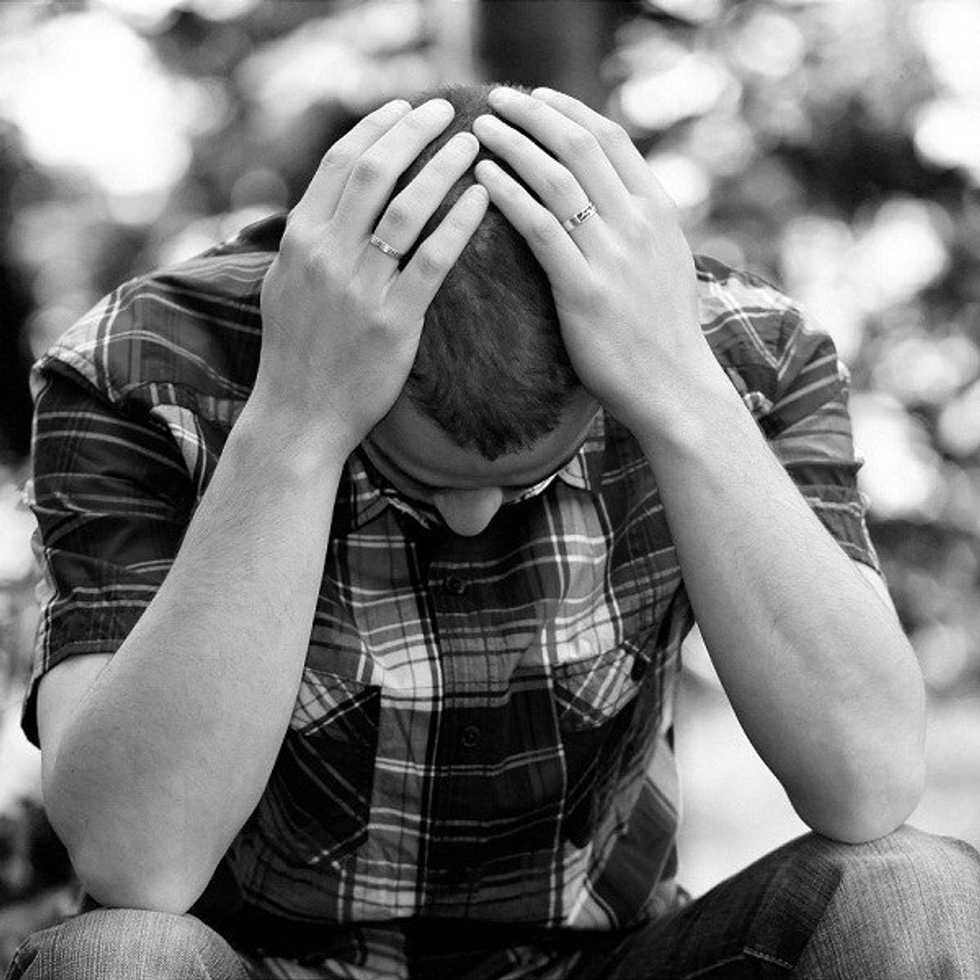
One of the most common mental illnesses plaguing the United States is anxiety. As a matter of fact, according to the Anxiety and Depression Association of America (ADAA), anxiety disorders affect approximately 40 million Americans over the age of 18. This equates to roughly 18% of the nation’s population.
There are a copious number of anxiety disorders; however, some of the most common types are, Generalized Anxiety Disorder (GAD), Panic Disorder, Phobias, Post Traumatic Stress Disorder (PTSD) and Social Anxiety Disorder.
The Diagnostic and Statistical Manual of Mental Disorders (DSM-5) is the premier classification handbook regarding mental disorders and is utilized by all mental health professionals in the United States.
Moreover, it contains a specific listing of diagnostic criteria for every psychiatric disorder that is recognized by the U.S. healthcare system. The DSM-5 defines anxiety as, “a future-oriented mood state associated with preparation for possible, upcoming negative events.” (2)
Generalized Anxiety disorder, albeit being one of the more common anxiety disorders, is often the most overlooked one. This is due to the fact that GAD is often associated with depression, substance abuse and other anxiety disorders.
GAD is defined as, “6 months or more of chronic, exaggerated worry and tension that is unfounded or much more severe than the normal anxiety most people experience.” The demographic that is most at risk of being afflicted by the aforementioned disorder is the ADHD community. Some of the typical symptoms associated with this disorder are restlessness, fatigue, irritability, muscle tension and difficulty sleeping.
Panic disorder is a type of anxiety characterized by sudden or abrupt attacks of intense terror and apprehension. Common symptoms of this type of disorder include: shaking, confusion, dizziness, nausea and difficulty breathing.
Panic attacks, typically, peak after ten minutes; however, they do have the propensity to go on for hours occasionally. For the most part, these attacks occur due to prolonged periods of stress or a frightening event that has disrupted a person’s equilibrium. These attacks can cause a person to anticipate future attacks which, in turn, influences that person to make drastic behavioral changes in order to avoid that event.
Phobias refer to a type of anxiety where there is an irrational fear associated with avoidance of a particular object or situation. The person may have the potential to recognize their fear is irrational; however, this does not give them the power to assuage their fears or reduce their anxiety.
An example of this phenomena would be arachnophobia, or, the fear of spiders and other arachnids. People afflicted with the aforementioned phobia will find ways to avoid areas or situations which would put them in contact with spiders or other arachnids. These people will go out of their way to avoid such situations in order to avoid that profound fear and anxiety they may experience.
Post-Traumatic Stress Disorder is anxiety that arises when one has experienced previous trauma such as military combat, rape, hostage situations and/or a serious accident. This disorder has been known, on occasion, to cause the person to have flashbacks related to the original trauma.
Moreover, it has also been known to produce behavioral changes in those afflicted due to them wanting to avoid certain stimuli. A soldier returning from combat would be a prime example of this disorder. Studies have shown that soldiers returning from combat exhibit a type of hypervigilance that is difficult to alleviate for many.
Social Anxiety Disorder is a type of social phobia that is characterized by the thought of being negatively judged by others or an overall fear of public embarrassment. The fear of humiliation is at the center of this disorder.
Other examples include stage fright and fear of intimacy. The most simple tasks seem exhausting.
For instance, walking into a grocery store can be extremely difficult because one may feel as if everyone in the store is watching them and judging them. This may cause those afflicted to avoid social situations and isolate themselves in order to avert their anxiety.
Anxiety is one of the most prominent mental illnesses in the United States; however, there is still a certain stigma associated with it.
I, personally, suffer from Social Anxiety Disorder. Many times, I would avoid social situations because I did not want to know what people thought of me. It became a pain to meet new people as I thought they would judge me harshly. I found it difficult to walk into a room as I felt like every pair of eyes was focused on me and people were waiting for me to fail.
I had friends and family members who did not really think of it as a disorder; more so, they thought it was a phase or something I would get over. Eventually, I did my own research and discovered that anxiety affects many people. The most powerful tool, in my opinion, is knowledge and that leads to awareness.
The fact that there are others who experience the same fears and thoughts provides a certain comfort that may be lacking for some.