In today’s society, we live in a culture that promotes and values slenderness in women as the primary defining characteristic of beauty. The problem with this overemphasis on being thin, besides encouraging women to be a size that is -- for most people -- unhealthy, is that this message that we, as a culture, are sending to women does more to harm them mentally, emotionally, and physically than it does to help them attain beauty and the confidence in themselves that should come with this.
If beauty truly is in the eye of the beholder, then we need to stop constantly and relentlessly attacking women with the lies that they will never be thin enough to meet one very specific definition of attractiveness. What’s more, this definition we’ve adopted is paradoxical in nature and serves to juxtapose the current condition of our society. While clothing sizes, models, and media portrayals of women are continuing to shrink, obesity rates seem to be sky rocketing, and the chasm between the expectations we place on women and the reality most face is only widening by the day.
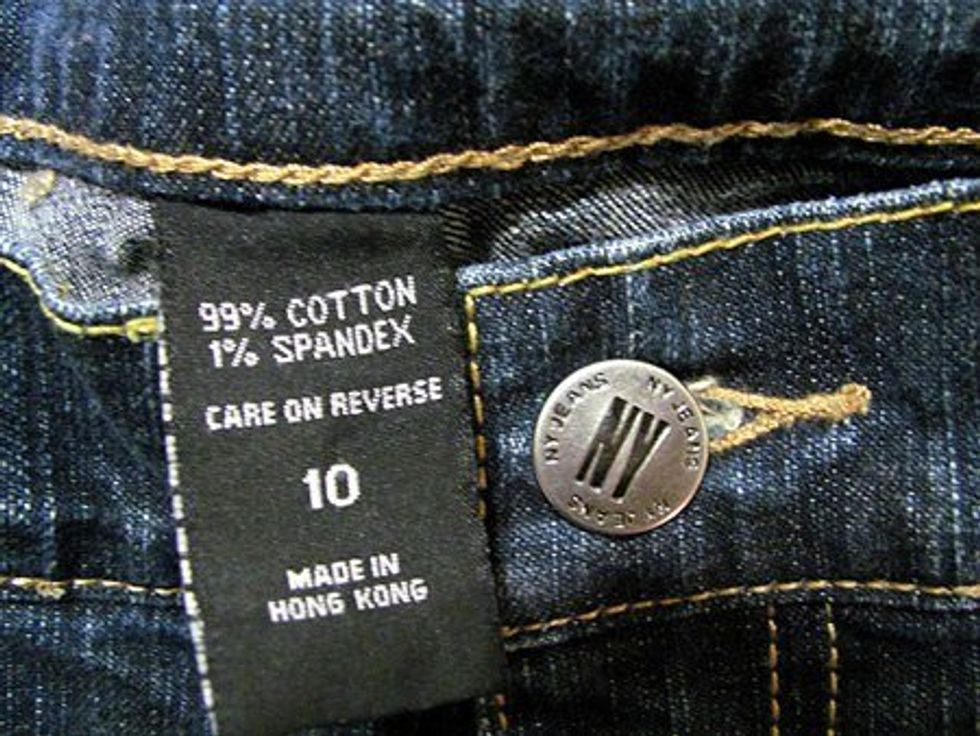
What used to be considered skinny is now seen as slightly overweight, with the standard of plus-size models shifting from a size range of 12-18 a decade ago, to between a size 6 and 14 now. As these shifts continue to occur, feelings of shame, embarrassment, and low self-esteem manifest, and unhealthy thoughts and habits are encouraged. Unfortunately, however, now that such standards exist, it is nearly impossible to foster change and nurture self-acceptance. The perceptions and connotations associated with certain sizes are so deeply rooted in our culture’s psyche that unless numbers are removed completely from tags, there is no feasible way to desensitize women to these numbers that they have relied on for so long as a determinant of their worth.
These projections and expectations placed on women come at a high price, and the consequences threatening to ensue if we don’t address this issue can have severe implications. We’ve progressed to the point that a complete revolution in the beauty and fashion industries, as well as in our culture as a whole, is the only way we can see this change in our society. Until we can refocus our cultural values to priorities that promote the well-being of individuals and not industries, we cannot expect to see any improvement in the mental, physical, and emotional state of our general population. It is on this assumption that I offer the following proposal to shift from a numerical system of sizing to that of colors.
This contains a certain appeal in that every “size” is as equally positive as the others, fostering a stable body image that remains consistent despite weight fluctuations. The attractiveness of this system is attributed to the fact that no preexisting connotations exist in regards to size. The discomfort many women face when looking for a particular size in a department store can be completely eliminated since colors do not carry the same meaning in our society as numbers. Approaching an associate to find a pair of pants in a “Green” would be significantly easier because of this lack of automatically perceived judgments on size.
Switching to a system of colors maintains the same logical progression that makes current sizing organized and structured, but still exists without the automatic association of shame that comes with using numbers. Our society has adopted the belief that in regard to appearance, smaller numbers are better. We strive for a smaller number on the scale, a smaller number on the tags in our dresses, a smaller number on the tape measure wrapped around our waists. As long as this opinion persists, no numerical system can exist without also maintaining the desire for something different.
Colors, like numbers, exist on a spectrum with one feeding into the next, the difference being, however, that no color has any universally accepted, negative connotation. Fitting our number sizes into a color spectrum allows women to select clothing sizes that fit them best, flattering them, with neutral feelings toward whether or not they’re really a “size” Blue or if they need to try Indigo.
And why stop here? What if we shifted terms like “petite,” “tall,” and “short” to descriptions like pastel, bright, and neon? Instead of wearing a 12 short, someone’s size could be a Neon Yellow, or another woman’s pant could be a Bright Red instead of a 0 tall.
What function does the use of numbers serve if they also manage to demean women, encourage feelings of shame and inadequacy, and provide trivial means for women to assess their self-worth? I propose that we revolutionize the fashion industry, reprioritize the values our society projects on women, and alter the culturally-endorsed principles from containing messages of perpetual insufficiency to those of self-acceptance and confidence.