
As a Princeton Tiger who originally thought the color orange was awful and wouldn’t go with anything, I can definitely say that opinions change and people truly bleed the color their favorite sports teams play in. Be it a college team or NFL team, the color jersey is very important. Not only does it start to build the brand of a professional team, but it is also something that every player has in common—they wear the same color jersey.
For many people, no matter where they go in the world, someone will be wearing a jersey they can relate to. Color is perfectly capable of bonding people from all over the world—that we can be sure of—but can it impact the performance of players and the outcome of a game?
Different colors produce different emotions in the majority of us. If you ask most people what the color red represents, for instance, they may say anger, fury or love. This is called color psychology. Many aspects of color psychology can be subjective, but some elements have been proven several times. Color therapy is being used widely around the world to treat different mental health issues and in some cases has been successful. Not only does color psychology provide health benefits, but it is also used by marketing agencies involved in advertising. We know it works and does affect people’s thinking in some aspects of our lives, but can it influence an athlete's performance?
Below is a list of colors and the general emotions associated with each one:
Red
- Energy
- Intensity
- Anger
Blue
- Calmness
- Cold
Black
- Authority
- Power
Grey
- Neutral
White
- Pureness
- Innocence
- Cleanliness
Green
- Natural
- Growth
- Health
Yellow
- Happiness
- Warmth
- Cheery
Orange
- Excitement
- Energetic
Now, if this color was presented to you just before a game, would you still produce a subconscious emotional thought? The likelihood is yes. Before the game even begins, there are external factors affecting the mindset and psychological side of the game. Research by Elliot and Friedman used undergraduates with similar SAT scores to test the effect of color presented before a cognitive test. The undergraduates took a short anagram test to begin and were then presented with their second—and real—anagram test. The second test had a label in the top right-hand corner with the participant number; this label was either red, green or black (a neutral color). Results showed that those who were presented with the red label, even for a short moment, performed worse on the anagram test, and those with the black label performed best. Was this because black was the neutral color and presented a less emotional response than red? Although this is not directly related to playing a sport, it still suggests that performance may be altered due to color.
The top three most successful teams to win the English Premier League in the past 50 years—NFL, NHL, NBA and La Liga (Spanish soccer league)—are listed below, along with the color jersey they play in (since 1965).
Premier League
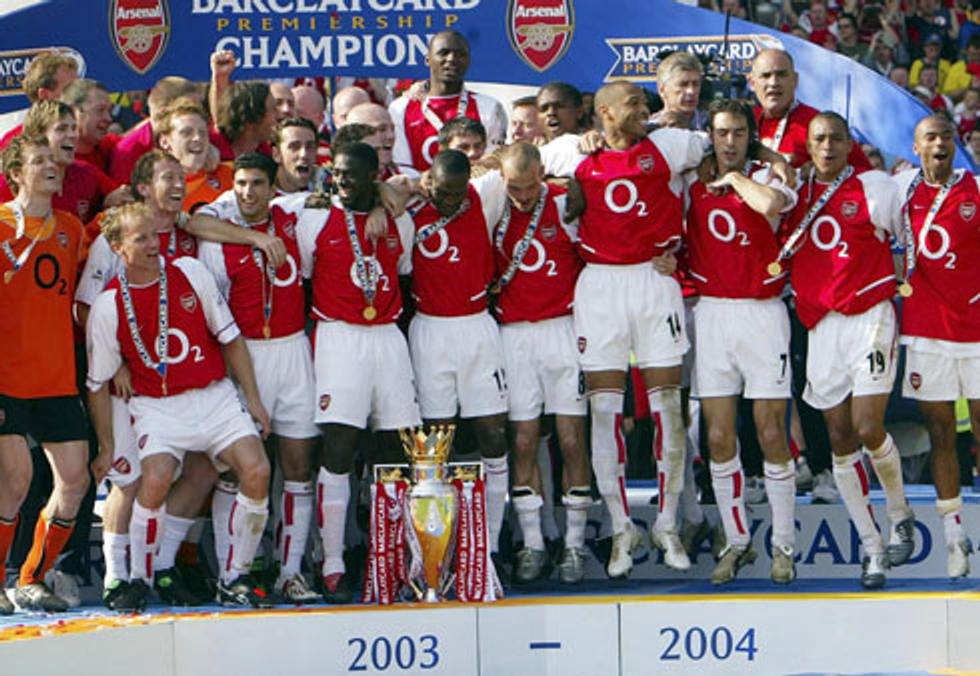
Arsenal: Won 6 times – Play in red
NFL
49ers: Won 5 times – Play in red
NHL
NBA
LA Lakers: Won 11 times – Play in purple / gold
La Liga
Real
Atletico Madrid: Won 6 times – Play in red / white
Is it just a coincidence that in every single league, at least one team has played or is playing in the color red? I think it has to do with the arousal level of opponents presented with the color red consistently whilst playing—something that could fuel anger or emotions that stop the performer from being in the best mental place possible. It has been proven many times that being presented with the the color red can effect memory performance and other cognitive tests, and this could explain the data from the biggest sporting leagues in the world.
Now if this is true, why not have professional teams adapt accordingly? The answer goes back to the original point of unity between players and fans associated with the team. Imagine trying to change the one stable part of a team or brand; this would not be welcomed by many at all. An example of can be seen in the history of an English football team called
Without a doubt, there needs to be more research done in this area before any concrete decisions can be made regarding the true impact of the color jersey on performance. But, as someone who has not been wearing Princeton orange for long, I certainly do not want to change it!