When the dreaded subject of politics comes up, I am sure that plenty of you have heard these words lately: "If so and so is (or isn't) nominated, then I just won't vote." Others may simply reply that they want nothing to do with politics and have never voted. This decision can be confusing for those who are firm believers in "your voice, your vote."
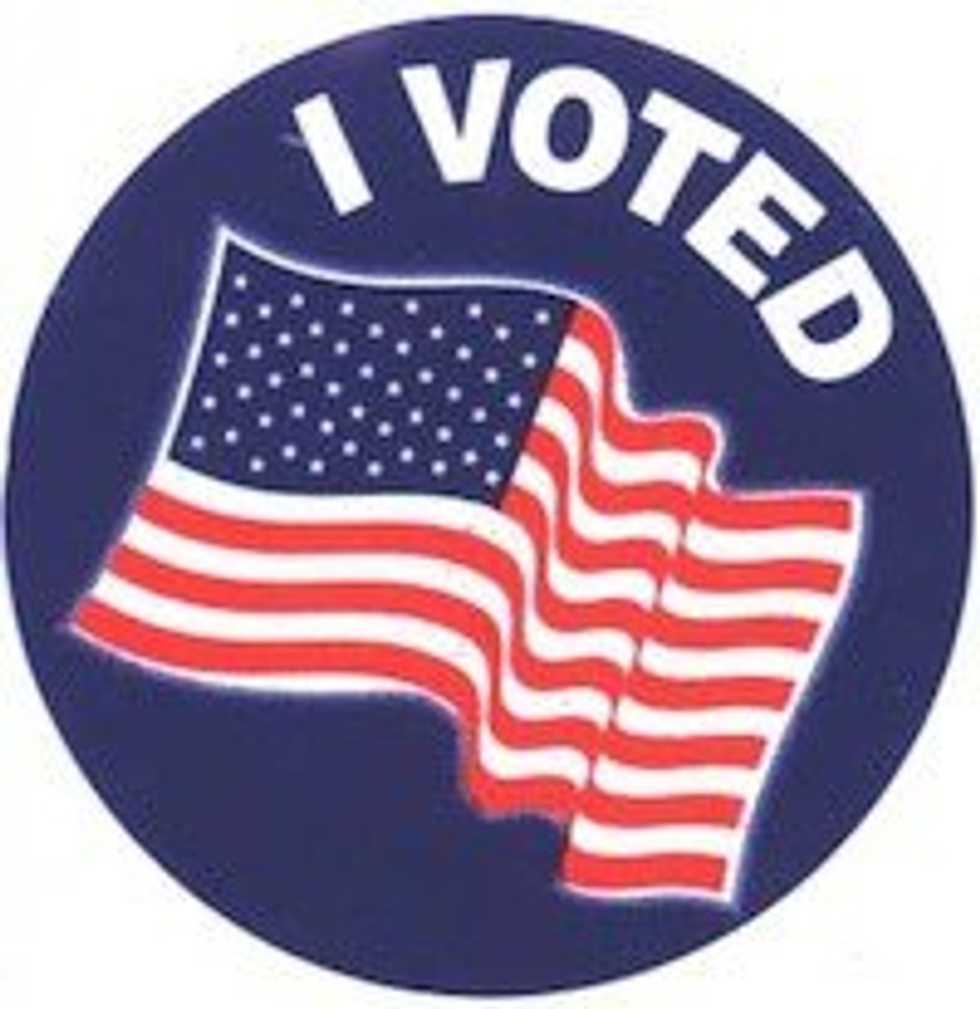
There are a few reasons that I have heard people give for why they do not generally vote in Presidential elections. First, voting is time-consuming. You have to research the candidates, register to vote, and possibly take time off of work. Your designated polling place may be inconveniently located all the way across town. Depending on when you arrive, there may be a long line stretching out into the parking lot. There could be a hail storm or two feet of snow to cope with. As if that wasn't enough, the ballot may be confusingly worded or poorly designed, making you feel like pulling your hair out. After all that toil, the customary "I Voted" sticker does not seem like enough of a reward.
Others have explained that they refuse to take part in the presidential voting process because they feel that the existence of the Electoral College undermines the value of the individual's vote. They believe that the popular vote alone should decide our next president. Some Americans gave up on voting after the US Supreme Court's decision in the case of Bush v. Gore back in 2000. Donald Trump recently called the way in which delegates are selected for the Republican National Convention "absolutely rigged." Such issues go beyond the current election cycle and will continue to affect whether or not Americans choose to vote long after the 45th president is chosen.
Those who choose to vote usually feel that their vote really does matter and that voting is an important way of standing up for what you want and believe. Voting is often about doing everything you can to ensure that your voice is heard. I understand refusing to vote for someone because you do not approve of them and don't want to endorse them, but I would argue that a vote can also be seen as a choice - perhaps even a choice between the lesser of two evils. Some voters choose to vote in order to protect children who are not yet able to advocate for themselves and their future. Women, Native Americans, African Americans, Jews, Catholics, and Quakers only have the right to vote today because others fought hard for it. Some Americans feel that voting is a way of honoring those who fought for our rights.
Everyone has the right to choose not to vote, and I am not interested in persuading anyone otherwise. I would, however, like to know your thoughts on voting in America, particularly the reasons you choose to vote - or not.