
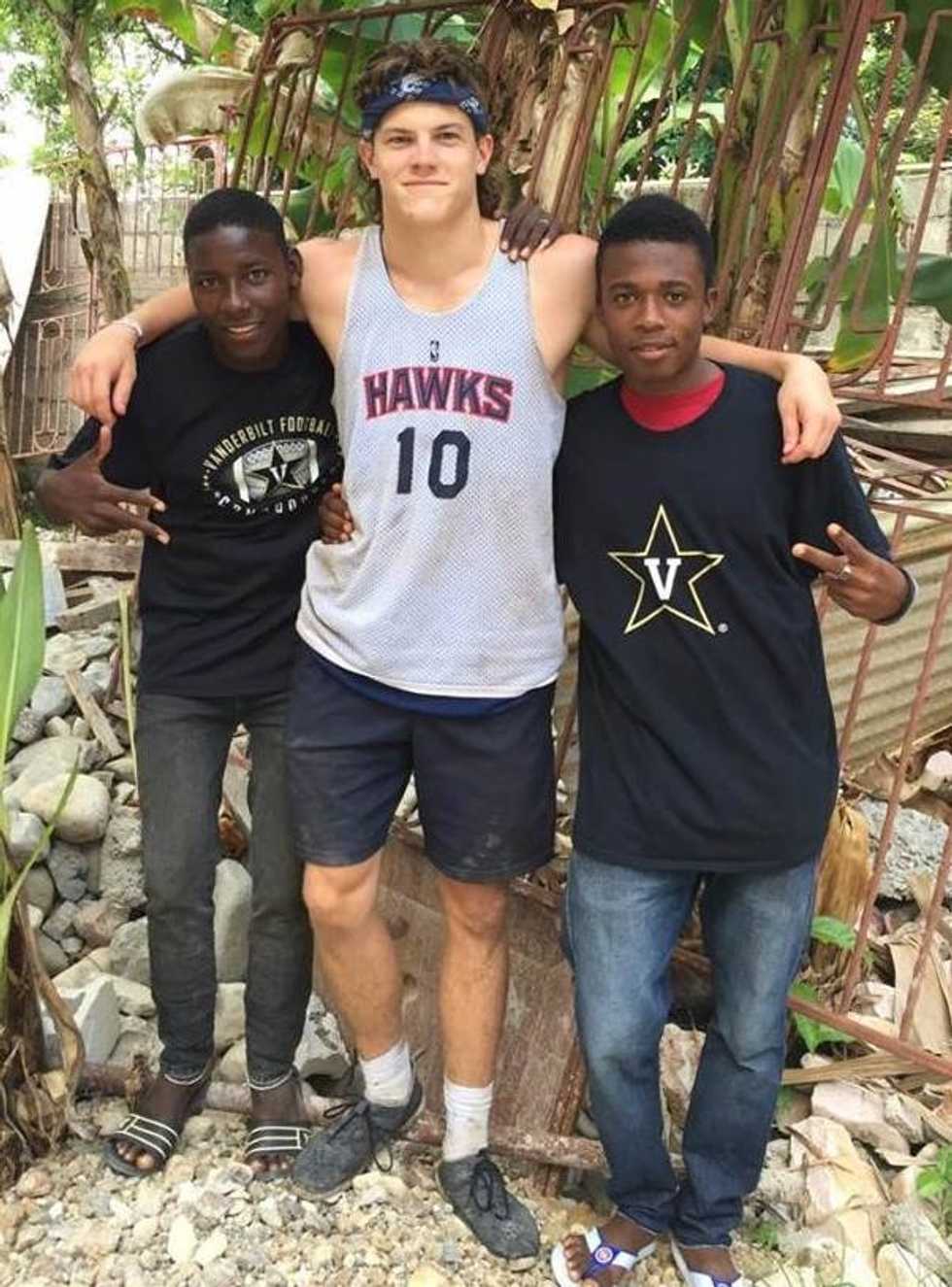
As a wide receiver for Vanderbilt University, junior Caleb Scott knows how to have an impact. Averaging 14.1 yards per catch, he’s one of the Commodores top options at WR. But away from the field, away from the deafening crowds and long after the battle for victory has ended, he has a much quieter, more significant impact. This is his story.
The first time I went to Haiti, I was nervous.
Excited, too. Really excited.
But nervous.
I was a freshman in high school and my family took a trip there. I didn’t know what to expect. I heard stories from my family and knew how passionate my granddad was about the communities and people there, but it’s different when it’s you who’s boarding a plane to go to a third world country.
We didn’t do much mission work, didn’t build anything. We helped in an orphanage, but the trip was mostly just to experience Haiti. The culture, the way of life, the people. At the time, I had no idea that the relationships I started nurturing there would become the cornerstone of who I am.
Now I’ve made that journey six times. Every time I go, I invite some people who have never gone before. A lot of people can’t go, or can’t get their parents to say yes. What people know about Haiti is minimal. It’s a poor country. The earthquake. Malaria. Then they look it up and see that the Department of State has issued a travel warning for Haiti saying it’s too dangerous, don’t go.
We, as a society, are misinformed.
Sure, Haiti is dangerous, but so is every other place in the world.
You know what else Haiti is?
Life-changing.
It’s almost impossible to find a single word that encompasses everything about Haiti, but that one comes close.
Our project in Haiti for the last 2 or 3 years has been getting the Young Life camp ready. Alongside our Haitian friends, we help build pavilions, move rocks and cement, plant flowers, and just do whatever needs to be done to get the camp ready for the kids (and eat lots of fresh mangos). This summer, they’re having about 500 kids, all of whom get the chance to experience Jesus and make Him part of their lives.
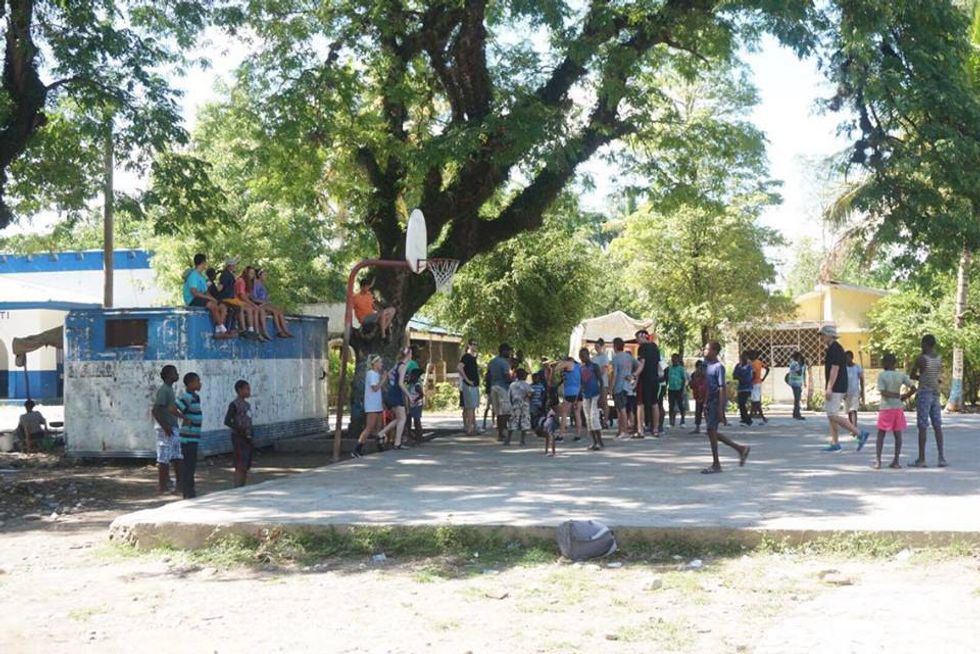
When we’re not working at the camp, we play with the kids at the town park. We play soccer, basketball, bring jump ropes and bubbles and play all different things. We invite them to the local YL club. Our hope is to help the YL leaders in Haiti grow their local areas.
I was raised in Young Life. My granddad was instrumental in starting YL in the southeast. He developed YL in Florida and is responsible for helping establish two camp properties- Southwind and Windy Gap. In the ‘80s, he started it in Haiti, along with the Good Shepherd School, in Cité Soleil. They’re both still running. Four years ago, my mom stepped into a major role with Young Life; she is on the team that oversees YL operations in Haiti. My dad, after retiring from the NFL, has worked for the ministry for the last 28 years.
It’s always been a big part of my life. Young Life is in my DNA and Haiti is in my roots.
I wouldn’t have it any other way.
I didn’t enjoy going to church very much when I was younger. Dressing up and just sitting there, I felt like I had to go and I was bored. But I loved going to WyldLife, the middle school version of YL. It was fun and all my friends were there. We went to a camp, Sharptop Cove, every year and it was some of the best times of my life. My YL leaders, along with my parents, were really the ones who directed me in my walk with Jesus and my faith. They helped me discover the greatest gift this life has to offer.
Young Life is about reaching the furthest kid out, and I'm a volunteer leader here in Nashville to help do that. I hang out with teenagers and develop relationships with them in hope that they will see what life is all about: following Christ and serving Him. I want to show them that there is more to life than just school and football. Those things are fun and important, but I believe our main purpose on Earth is to share Jesus with others, and I’m thankful for the opportunity to get to do that.

It changes a lot, when I see myself doing with my future. I’d be lying if I said my dream wasn’t to play football in the NFL, but I’m also preparing myself if that does not work out. Every time I leave Haiti, I want to do something in the medical field. I don’t really like how much school that route requires, but if that’s really what I’m supposed to do, then I can get through the schooling. I just think every time I leave how great it would be to come back with a medical team or some non-profit and do something like that. I’ve thought about living there in the countryside with my own motorcycle and starting a clinic. I think I had that dream one night, but it really does seem really nice.
What we’re doing there, in Haiti, it matters. Before this last trip, we had a team meeting before hand and that article came up, the one about how short-term mission trips are designed more for the people going rather than being beneficial to the countries and communities they travel to. It’s more about Instagram posts and convincing yourself you’re a good person.
But for us, it’s about relationships. It’s about Jesus. Every year I’ve gone, I’ve been able to build relationships with the same people. It’s really heart-warming to arrive and hear the kids yell, “Caleb!” and run over. It means what we’re doing there is reaching them and they remember us for it. Those relationships are vital. My friend Darsen, who hosts our trips, always says to our team, "We love it when you come to Haiti. You're coming shows us you care about us, that you stand with us and want to help us make our country better. It encourages us."
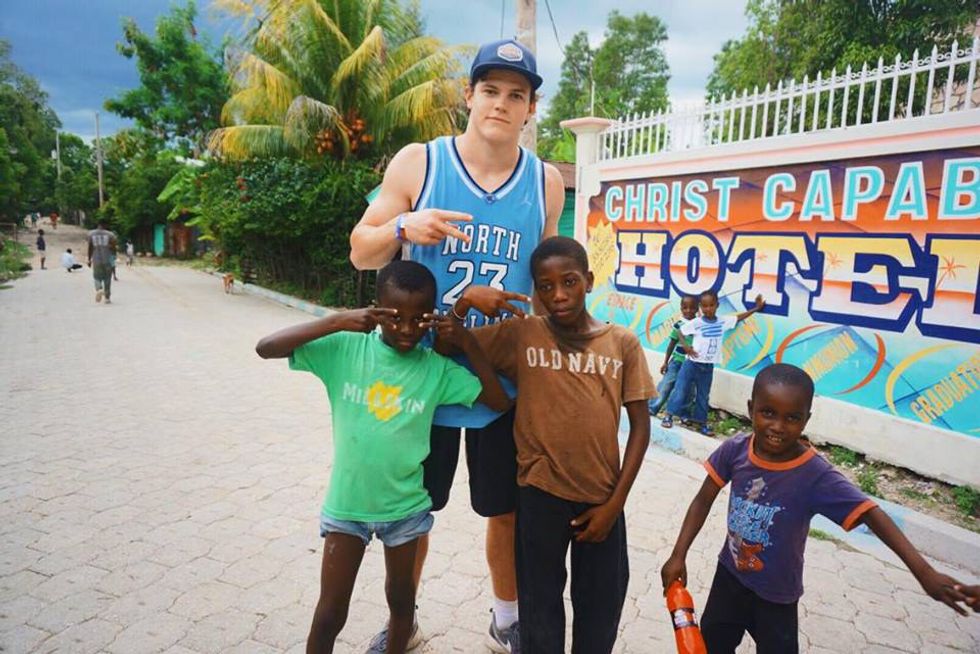
The work we do is valuable, too, but it doesn’t help them tremendously. What we’re doing is spending time with the kids and showing them that we care about them and their culture. It gives the Haitian YL leaders a chance to get to know the kids. That camp is going to share Jesus and his message with 500 kids this summer. That’s for eternity.
I try to journal a lot when I’m in Haiti. I try to bring what I feel there back with me to the United States. It fades, but it’s also always a part of me. It’s frustrating knowing so many people live in such poor circumstances and are happy, but back here kids have way nicer things and still complain that they don’t have the latest iPhone or something. I get really driven to not fall back into that lifestyle but it’s hard.
We have a lot to learn from the people of Haiti. They’re welcoming and loving and genuine and real. They don’t hide anything, and when they tell you they love you, they actually mean it rather than just saying it. They don’t care who is around or where they are, they’ll pray any time and constantly rely on God. They’re authentic; they have different priorities than us.
They motivate me to live better because they know how to live and that happiness is a choice. It’s a response in one sense, but it can also be a choice and an attitude. You can see that a lot in Haiti because obviously they have very little resources and material things but, honestly, they’re the happiest people I’ve ever come across. I always remember that.