As times have changed so have the job descriptions of police, these descriptions represent the shift in how justice and equality are achieved in our society today. By making individual rights more important than community rights we open up certain dangers to our society. Our perception of police is that they are cowboys and loose cannons looking for the slightest excuse to exert their power over us. This, in large part, has to do with the end of foot patrols and the rise of patrol cars.
In Seattle, cops could not be bothered to clean up drug dealers from the streets of a particular neighborhood so neighbors were forced to form dog brigades and simply make drug dealers feel uncomfortable. Dog brigades were formed by neighbors who would walk their dogs together as a way to patrol their own neighborhoods. It worked as the drug dealers left the area. The problem however is that one of the dealers tried to sue for harassment, the case was thrown out but the fact that it made it to the court room is abhorrent. Furthermore the dealers were not taken off the streets, they were simply displaced to another neighborhood. They are now somebody else’s problem when they should instead be behind bars if cops were responding the way that the community originally wanted them to. However, we cannot entirely put the blame on the police. Theophilos points out that because the legal atmosphere is tilted in the favor of individual rights over community rights it is difficult for police to define and maintain order. The problem is that we have given the police the responsibility of protecting individual liberties, therefor picking up drug dealers of the streets is not as easy as it sounds. This is in contrast to policing prior to the 1960s.
In the '60s police had much more leeway to do what they felt was necessary. Rights were enjoyed by decent folk and if you weren’t one of them there were different ways to handle you. There were obvious laws but there were also unspoken codes of certain neighborhoods. For example, in some people could drink in public as long as they brown bagged the bottle. The officer’s job was to keep undesirables off the street. Generally communities were okay with this because undesirable was a fluid definition of people who didn’t fit in with the rest of the decent folk. However, this is where the problem was, cops were given the go ahead by society to decide who wasn’t decent folk and from there they could treat them how they saw fit. In the context of racism this became a huge issue (and still is) as some (but not all) cops treated people of color as undesirables. This is why police work radically changed after the civil rights movement. Cops could no longer facilitate justice as they saw fit, it had to adhere to the letter of the law that protected the individual rights of all citizens. They also were required to be more than first responders, cops were demanded to prevent things before they even happened, a daunting task no doubt. This is where James Q. Wilson’s theory comes into play.
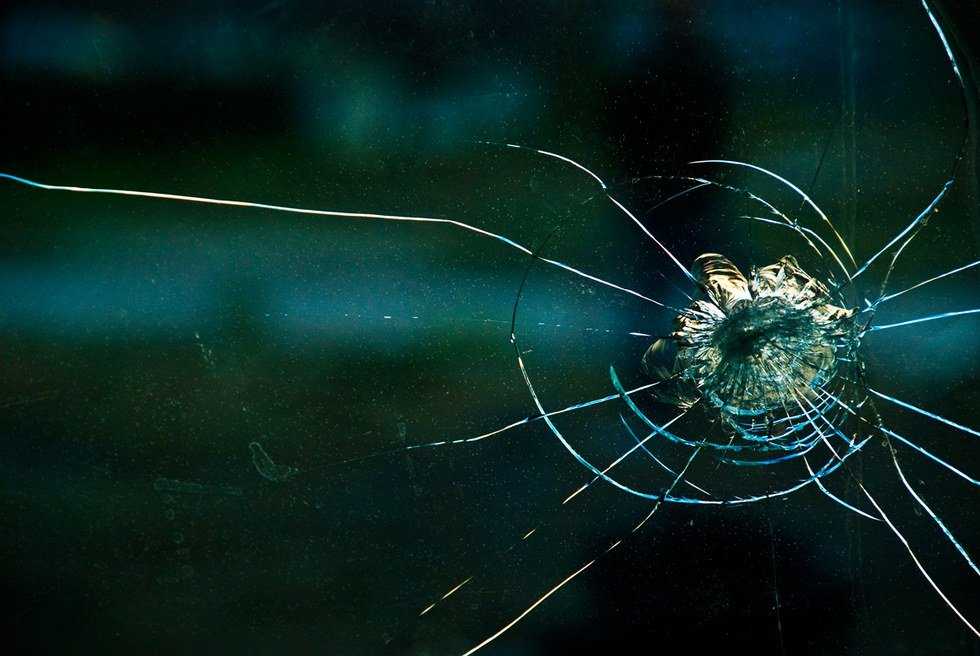
James Q. Wilson believed that humans basically perpetuate the environment that they perceive that they are in. This is why his broken window theory is so significant. A broken window in a neighborhood shows that people do not care, and when people feel like others don’t care then things tend to spiral out of control. It has become the cops duty to keep the streets looking clean, even if they are not entirely so. The idea is to cut down largely on petty crimes which tend to be the majority of crimes and usually the more visible ones. If those disturbances to normal life are minimized and there is an appearance that people care then people in the neighborhoods will take care of each other. This largely seems like a good thing, neighbors helping neighbors is biblical even. However there is the problem of homelessness. People who live on the streets and who are committing no crimes but make a neighborhood seem like they don’t care. As Christians and as fellow human beings we should be trying to help these people off the streets but in many circumstances we simply shew them away, make them someone else’s problem for the sake of a clean and secure neighborhood. This in itself is not acceptable and if we are to progress as a society we must fix our broken glass instead of dumping it into our neighbor’s lawn.