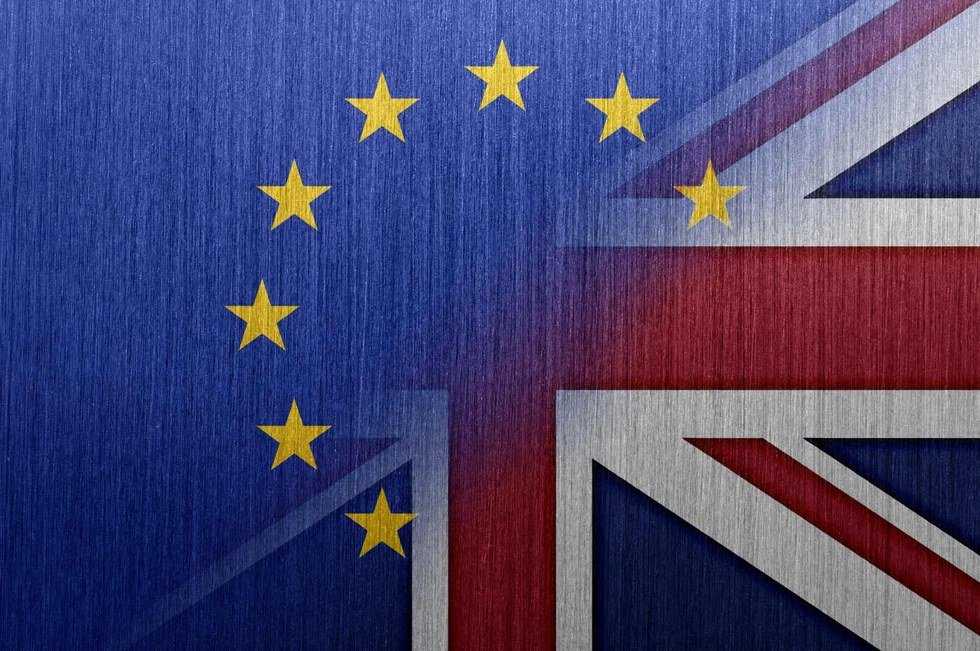
As you may have heard, the United Kingdom voted to leave the European Union. What does this mean? Well, this was apparently a long time coming. The U.K. has always been hesitant or apprehensive of the entire system in general. In 1999, Britain decided not to adopt the Euro when the majority of its EU counterparts did. They waited sixteen years to join the European Economic Community in 1957. However, no matter the apprehension, the U.K. has been a vital part of the Bloc in more ways than one,
Economically, the U.K, has the second largest economy in the EU behind Germany, It is also the third largest by population behind France and Germany. Interestingly enough, that both the economy and population were important issues brought up by citizens when polled and asked what the biggest issues were that Britain was facing. The percentage of citizens who answered Immigration has been increasing since 2010. The opposite is true with the percentage of citizens who answered with Britain's Economy.
The last answer with most movement over the last six years was the EU/common market. Its percentage also increased over the last six years but not as rapidly as the opinion of immigration. Both of these can be addressed with their exit from the EU. Oddly enough, one of those not in favor of the superpower's exit was now ex-Prime Minister David Cameron, who tried to petition to persuade voters to stay in the EU. Obviously, he was unsuccessful losing the vote by about four percent, 52 to 48.
The biggest question surrounding their decision is who is going to follow? As a major world power with countless allies who definitely look to the United Kingdom as an example. Yes, Britain is no longer in the EU but they will still sit on the EU security council, They will join Switzerland and Norway on the outside of the European Union. Many seem to think that the EU wants to become its own kind of superpower, using its force of many nations to bring about its own form of nationalism.
The terms of the Brexit will be continue to be finalized for the next two years. The idea of the EU, the UN, NATO were thought by many to have been faulty from the start. I am starting to think about Brexit as just one of the many recent changes to the world that make us truly question what the future will bring. It may just be me, but it seems that June has been filled with the unexpected and that there has never been a time more well-suited for the adage, the expect the unexpected. Change is apart of life and apparently, so are break ups. As the UK showed us in monumental proportions.