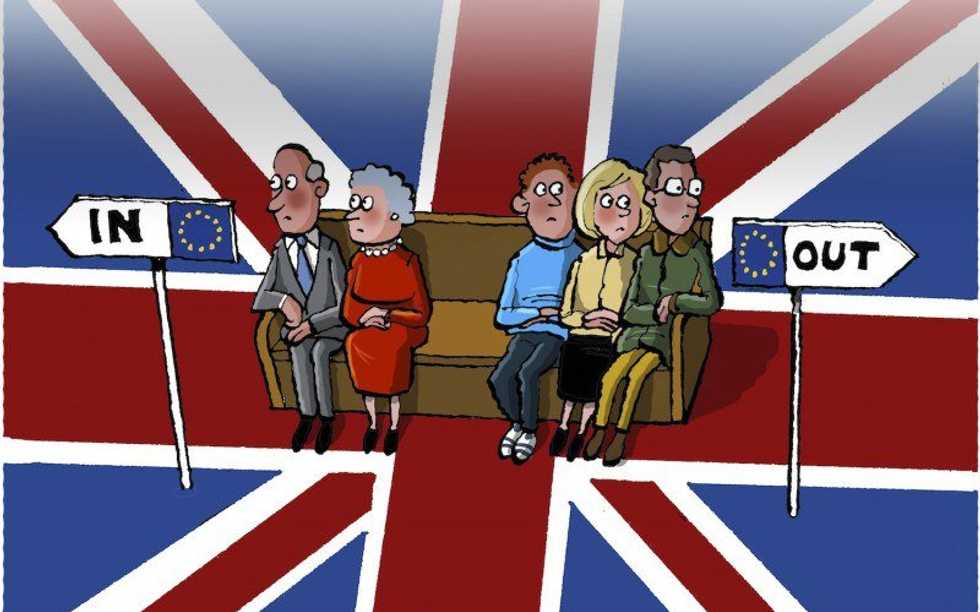
By this point in time, I'm sure everyone has heard the term Referendum or Brexit, but if you haven't, I'm here to help! As an American student currently studying in England, I have some different insight on this topic.
First off, what is the EU, you ask? The EU stands for the European Union and it is a group of countries that work together to keep peace, remain united in war and trade with one another. Prior to the Brexit, there were 28 countries that belonged to the EU. There are four institutions that are part of the EU, they are the European Commission, the European Parliament, the European Council and the Court of Justice.
Now that you know some of the history, I'll explain more about what exactly the Referendum and Brexit are. Essentially, the Referendum was a chance for British people to cast their vote in the decision for whether they should stay in the EU or leave. Brexit is a term used to describe this and it stands for British exit.
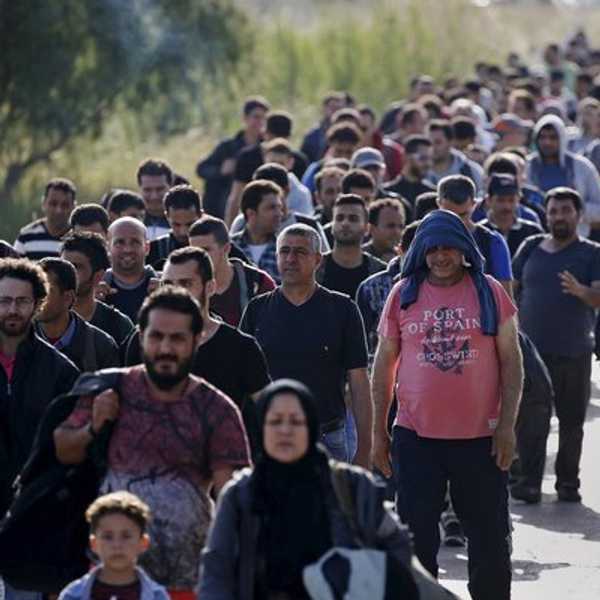
Those in favor of Brexit were wanting Great Britain to have more control and not have to pay the EU to be part of it. Great Britain was already doing things in a different way in comparison to other countries in the EU, for example, the currency. Another reason was because they were concerned about the current migrant crisis and hoped this would cause Britain to control borders as opposed to having to follow the EU's rules. Thirteen percent of the UK's population are people from other countries and this was a concern for some voters.
Seventy two point one percent was the percentage of voter turnout and it was the highest in over 20 years. Although people seemed pretty divided prior to hearing the results, those in favor of Brexit won. This has already had an impact on people all over the world. The value of the British pound dropped over night and will most likely continue to drop. Another dramatic change was announcement from the British Prime Minister, David Cameron, that he will be resigning. Although this was expected if Brexit did win, it still came as a surprise and enforced that this will be happening.
As an American citizen, I wonder where this leaves us. President Obama issued a statement saying that relations with Great Britain are the same. I wonder how negotiations will go with the EU and what impact those negotiations regarding Brexit could potentially have on the United States. Will it be harder to travel to Britain now? Will relations with Great Britain change, if they change between them and other countries from the EU? Would it be more challenging to gain citizenship in Britain?
Another perspective is, as someone who has been through tough times, I know it is easier to have people to support you. Once Britain has completed Brexit, they most likely won't have the feeling of support from other countries. If anything, I imagine this has angered many members of the EU. Where does this leave immigrants or those who have legal citizenship but family members who have citizenship in an EU country? Will it be harder to travel between Britain and EU countries now?
There are many uncertainties about the future for Britain and what will come of Brexit. In time, these questions should be answered. Thankfully, most things do not change over night and all of the changes to be made will be made gradually. To quote the Mayor of London, Sadiq Khan, "We all have a responsibility to now seek to heal the divisions that have emerged throughout this campaign--and to focus on what unites us, rather than that which divides us." No matter how you feel about Brexit, I think he gives wonderful advice. The decision has already been made now and the best thing anyone can do is continue to move forward.