


Stress isn’t always a bad thing. As a matter of fact, it can help you during difficult situations and allow for more efficient responses to your problems. However, the kind of stress that occurs "day in and day out,” also known as chronic stress, can be very dangerous to not just your brain, but also your entire body.
Under stress, your adrenal glands immediately respond by releasing the hormones cortisol, epinephrine (adrenaline) and norepinephrine. Adrenaline release results in an increase in heart rate and blood pressure, potentially leading to hypertension over time. Additionally, the hormone cortisol can cause the inner lining of blood vessels to function irregularly. Extended increases in the levels of these hormones can have serious effects on your body, like heart attacks or strokes. Not only does your amygdala, the brain’s fear and emotion center, increase in activity during chronic stress, but the electrical signals in your hippocampus are deteriorating, also.
So what does this ultimately mean? The part of your brain associated with learning and retaining memories is worsening and your fight-or-flight response is constantly being catered to. When the hippocampus weakens, your ability to control your stress weakens, too. In addition, your brain is losing synaptic connections and can ultimately shrink your prefrontal cortex, the part of your brain that regulates behaviors like concentration, decision-making, judgment and social interaction. If you also find yourself having difficulty learning and remembering when you're stressed, you can blame the fact that there are probably fewer new memories being generated in your hippocampus. If it persists, it can potentially result in more serious, long-term mental issues.
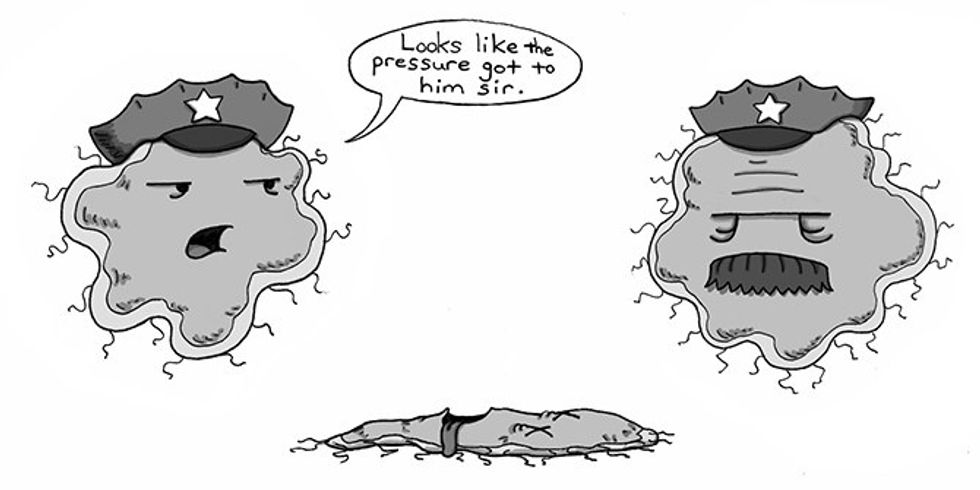
In addition, your brain communicates with your enteric or intestinal nervous system under chronic stress and affects the composition and function of your digestive system. Your natural rhythmic contractions that are responsible for moving food through your gut are disturbed, leading to heartburn and irritable bowel syndrome. But that’s not all.
Ever notice that you eat more and/or pack on a few more pounds during chronic periods of stress?

That’s because elevated levels of cortisol also increase your appetite! This hormone tells your body that you need more energy, resulting in your constant hunger for foods high in fat and sugar. This can result in visceral, deep belly fat and will increase your risk of chronic diseases.
Not only can stress hormones affect your heart, your digestive system, your hunger and your weight, but it can also hinder the function of your immune system! You become more susceptible to diseases and are slower to heal from illnesses or wounds. Additionally, you become more prone to acne, headaches, muscle stiffness and soreness, hair loss, sexual dysfunction, loss of focus, fatigue and constant irritability.
Don’t be alarmed, however!
It’s important to remember that your life will always have stressful situations. The only way to prevent such detrimental effects on your body is by responding to stressful situations correctly and recognizing that stress is controllable.
There are numerous ways to reverse the effects of stress on your brain. Here are some good ways that have been neurologically proven to help you:
- Exercise, meditation, and eating right!
- Take a moment to relax and do something you enjoy: singing, reading a book, playing an instrument, going out with friends, watching a movie or taking a nap -- anything you find pleasure in will help you incredibly!
- Find someone, whether that be a family member, a friend or a counselor, to talk, cry or laugh with. The confidants around you have, are, and will relieve far more stress than you will ever realize!
- Breathe in… Breathe out… Don’t forget that you can take control of how stress impacts your health and how it impacts you! Don't be afraid to take a break!
For more detailed readings on what stress is and the effects it has on your body, check out the links below:
Brian Physiology And Pathophysiology In Mental Stress
TEDEd: How Stress Affects Your Brain - Madhumita Murgia
How Stress And Anxiety Shrink The Brain, And What To Do About It
Stress And The Brain: High Cortisol Levels Can Damage Brain Structure, Cognitive Function