
Body-Focused Repetitive Behaviors (BFRBs) are impulse control behaviors, where a person compulsively damages one's physical appearance. These include trichotillomania (hair pulling), dermatillomania (skin picking), nail biting and many more. Two out of 50 people have a BFRB, and there are 200,000 cases every year in the U.S. alone. All around the world, women and men hide themselves from people who don’t understand why they have bald patches or marks on their skin. Some are judged and ridiculed by their family, friends, and their doctors for something they have barely any control over. Recently, the online community has connected us to share our stories and understand one another.
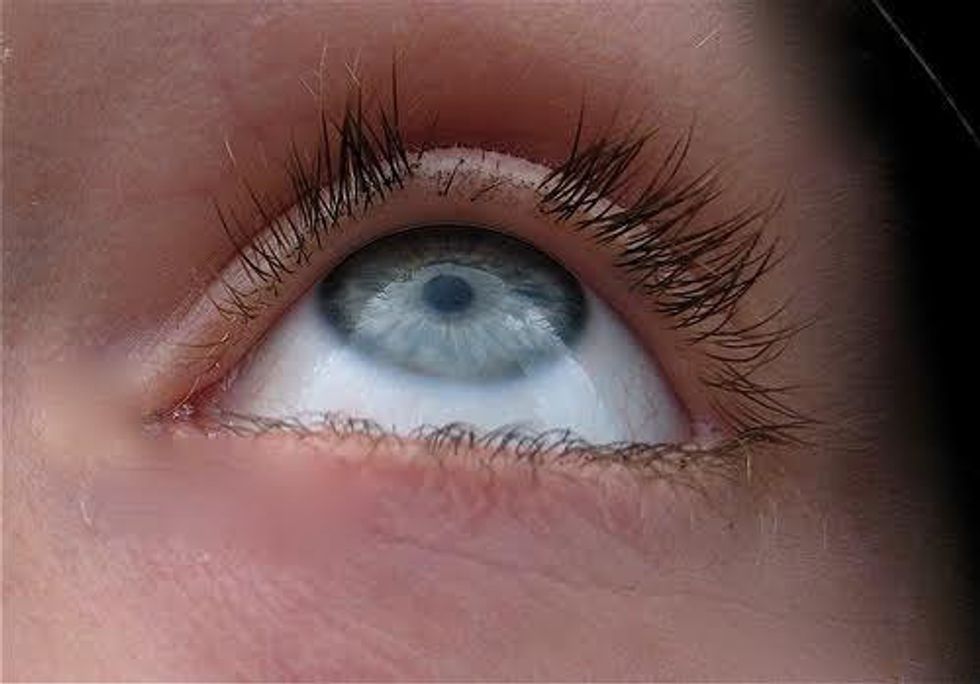
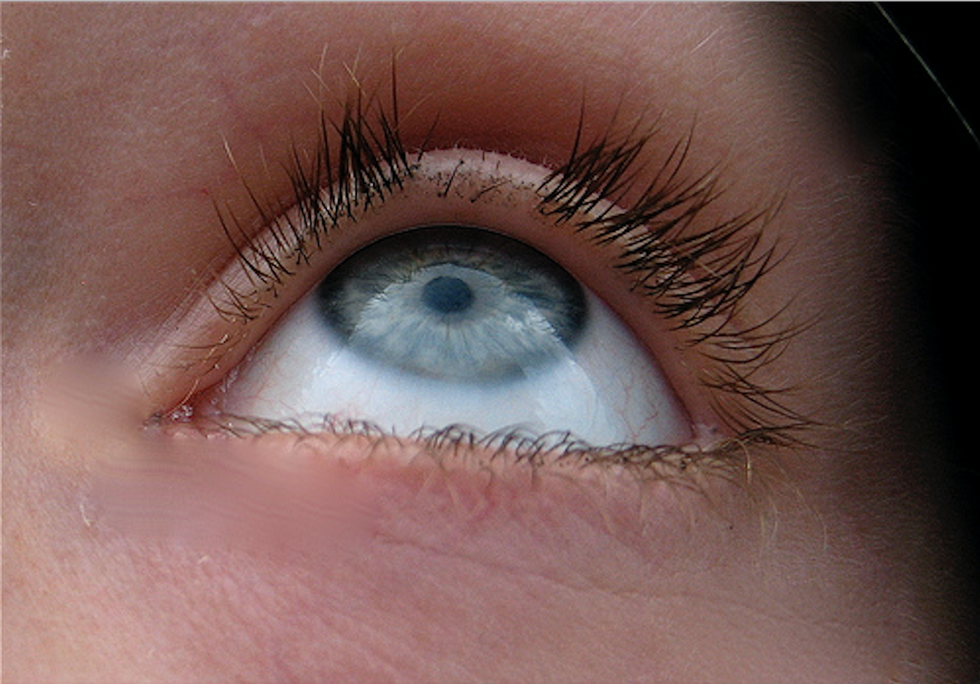
Personally, I have several different BFRBs, which include pulling out my eyelashes, biting my fingernails and the insides of my cheeks. At twelve years old, I discovered my BFRBs but didn’t know what they were. At first, I began pulling out my eyebrows and biting my nails. I started to get noticeable bald patches. I tried so hard to stop, but I found that the temptations were still there. Even being an artist, it didn't help to occupy my hands too much because I always had one free. In the eighth grade, I stopped seeing my alcoholic father and I blamed myself for what happened. Soon after, I bit my nails more and more; I even went to the hospital because I bit so far down on my thumb. After the trip to the hospital, my BFRBs progressively got worse. All the while, I was suffering from severe depression and anxiety. In high school, after seeing a psychiatrist, my mood became much better, however, my BFRBs were still consistent. I began pulling from my eyelashes and biting my lips and cheeks. After I was sexually assaulted my junior year, I grew stronger and began to love myself again. Now, my disorder and my past don't stop me from pushing forward in life. Today, I am making a documentary about people with BFRBs from all over the globe to spread their message of love and acceptance.


In the UK, Bethany is a drama major who has been pulling out her hair since she was 13 years old. Throughout her life, Bethany has struggled with pulling her hair. She has had to shave her head multiple times to help her from stop pulling. Like most women with BFRBs, Bethany wears wigs to cover the bald patches. Over the years, Bethany has embraced how she looks, even though she still pulls at times. Bethany understands that she can’t control it sometimes when she feels anxious or depressed. BFRBs tend to occur due to an emotional trigger, like feelings of boredom, anxiety or depression. During these times, most of us can’t control ourselves because we impulsively pull our hair or pick at our skin.
Ear picking is another BFRB, where the person uses their finger or a Q-tip to jam the insides of their ears repeatedly. Thel is an older gentleman, who discovered his “bad habit” later in his life. He felt alone and didn’t quite understand why this happened until he met others in the online support group. That is where he found out more information about BFRBs and why they occur. They learned that mindfulness is key in conquering his disorder. Now, he understands and accepts himself for who he is.
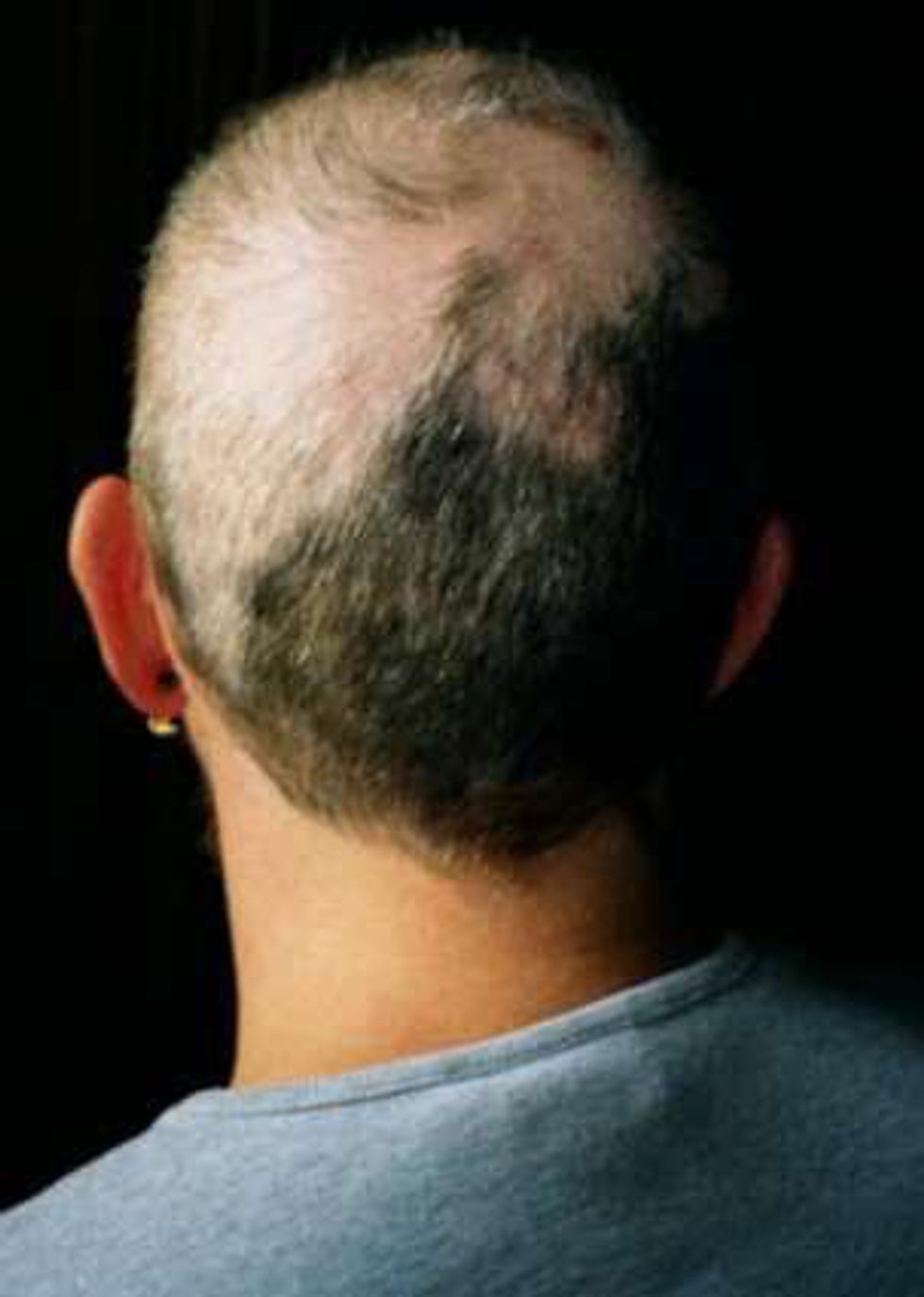
In New York, Eddie talks about life with trichotillomania as a man. He empathizes with women and understands the struggles they face. As a guy, it’s more accepted to get a shaved head. It’s quite shameful because women, who are bald, are sometimes mistaken for looking “sick” or “ill.” These sorts of remarks dishearten someone who is struggling with trichotillomania. Eddie talks about how he wants to spread the word about BFRBs. He wants to raise awareness and help others with this disorder know that they are not alone.
In Brazil, Larissa talks about getting bullied as a kid for having bald patches. Two boys would pick on her; they called her, “bald,” instead of her actual name. It seemed like every day, they would pick on her. Larissa would come home crying. She took it out on herself, saying that she hated herself and pulling out her hair more and more. Larissa realized she needed help, so she told her parents what was going on. The bullies stopped harassing her for a while, and Larissa started to learn more about her trich. She started seeing a counselor for other issues before, and in time Larissa learned to accept her trichotillomania.

Tons of people across the globe suffer from their BFRBs in silence. We hide our patches and marks with makeup, wigs, or haircuts. The BFRB community wants to spread the message about our disorders, so people can learn and understand who we are. We are all silent warriors, who battle against ourselves, but never stay knocked down. We want new trichsters to know that they aren’t alone. We want to spread words of encouragement and positivity to the entire community. We are so much more than what's on the outside. Our bodies are just a shell for our souls; they don’t represent who we are as human beings.