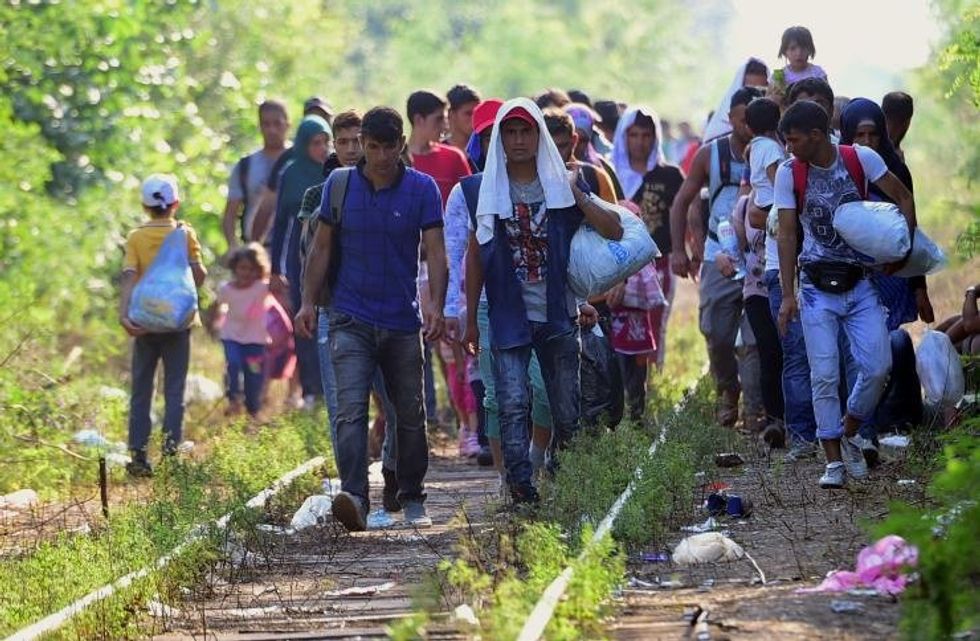
For over a year, some seven hundred thousand migrants from Africa, Middle East and South-Central Asia have stampeded onto European soil like large herds of animals in search of a green pasture. As such, it is fair to draw and lay out an analytical vision of the migrants' integration and future in European society and also a brief outline of Europe's challenges and stakes in this migratory venture.
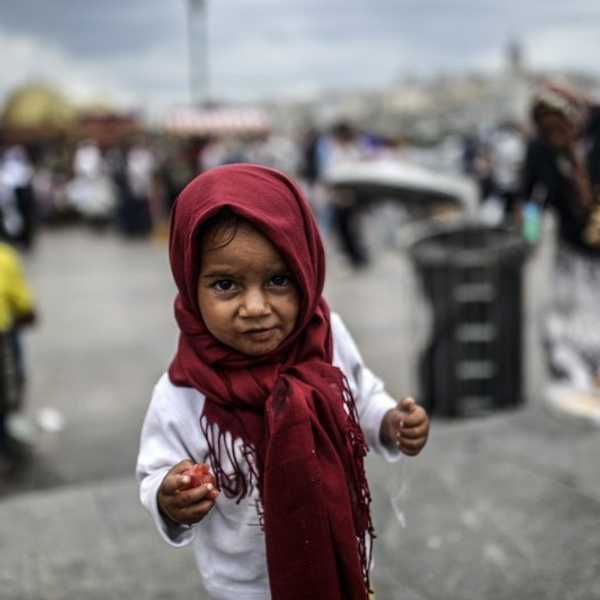
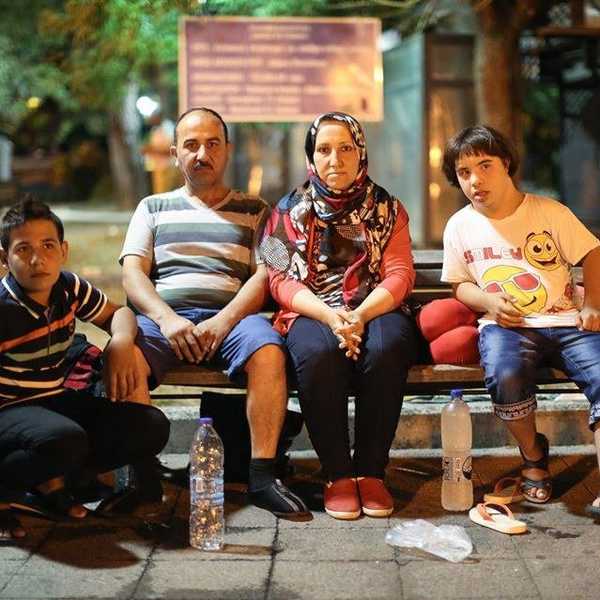
The steady influx of migrants from Africa, Syria, Iraq and Afghanistan to Europe has reached a crisis proportion. This migration episode is likened to the 1848 California gold rush. It is beginning to pose a heavy burden on EU countries, especially Greece and former eastern European block nations, now part of EU-Hungary, Croatia and Slovenia to name a few. Hungary has fenced in its borders; the small nation of Slovenia is overwhelmed with migrants. Some of them are fleeing war and persecution; others are simply economic refugees in search of a better life in Europe.
"The land flourished because it was fed from so many sources--because it was nourished by so many cultures and traditions and peoples," said Lyndon B. Johnson.
Relatively, it is a reversal order of migration. Between 1880 and 1920, millions of Europeans migrated to America. That transatlantic journey cost the life of 1 European out of every 7, according to historical fact. Now people from two continents, Asia and Africa, are making the same migratory journey to Europe. But the migrants have had a much higher death toll at sea during the crossing. At times, their rickety boats overloaded with hundreds of people on board capsized and sank. Majority of them often drowned.
In terms of adaptation, the migrants will undergo a difficult transition into their new countries. They are welcome by some and unwelcome by others. They have the skinheads (groups like KKK in USA) to contend with. They are now part of countries with a dissimilar religion, language and culture. The period of settling down and getting cultured will be both nostalgic and shocking. As in any civilized and prosperous country, the migrants, mostly Muslim and Arabs, will eventually thrive in Europe as well.
On the other hand, receiving thousands of migrants as a host country comes with a share of risk and financial responsibility. The migrants have a different language, culture and appearance. They and the Europeans will be on a collision course of a culture shock. Rehabilitating them culturally will take some time. Also a large sum of money must be allocated for their systematic accommodation. That allocation will be designed for these particular areas of necessities: housing, food, health care, education, job training, adults' education and the education of their children, etc.
In addition, there is also the unspoken fear of Islam and the Islamization of Europe. The worst fear is the infiltration of Muslim militants in the midst of honest Muslim and Arab migrants. If it is the case, this means turning European Union countries into the Middle East's barbaric trend of suicide bombing and a vicious cycle of crimes. God forbid, I hope otherwise. But one must not forget that Muslim militants believe in committing martyrdom and scenes of carnage like September 11 to usurp their salvation.
In other words, this massive migration could be after all a win-win situation for both Europe and migrants .Europe needed migrants now just like the United States did in early 1900s. Europe acquires a large field of labor for its factories, industries, and so forth. The migrants will perform hard manual labor that Europeans would not otherwise do themselves. Their potentialities also range from menial workers to clerks, lawyers to business executives, etc. Once their capability is being put to use, they will no longer be considered a burden, but an engine of growth and prosperity for Europe.
Indeed, the migrants' contribution is colossal. Their involvement in the growth of the host nation is palpable. They work and pay taxes. They have become a remarkable buying power. With that comes a sharp increase in the gross development product (GDP); as a large community, their political voice is beginning to be heard. Politically and economically, they are gaining ground.
So it is no longer a question of migrants, but one of real citizenry with a national identity, civic duty and self-determination. Ah! Those who once were poor migrants of Africa, Syria, Iraq or Afghanistan have now become valuable French, German, Spanish or Dutch citizens, and so on. Ultimately, this is the hopeful prospect for Europe and the migrants as they evolve over the years in their respective new European countries.