
Welcome to my series How to Get Away With! I promise this will be much more relatable (hopefully) than “How to Get Away with Murder” but it is a great show. To kick this series off I wanted to talk about an important issue so while you may have gotten a laugh just now, it’s time to get serious.
I know some of you reading this experience “anxiety” in the form of stress because let’s be honest life is scary, unpredictable, and at times just a lot to handle. Worry and stress are simply symptoms of being alive in an imperfect world. School, relationships, work, family, driving; the list goes on and on for the different stressors any person may encounter. So to be clear, I’m sorry about your stress and this article may help you but this is to those with anxiety disorders. Regardless, read on because understand and education about mental illness is crucial and something you probably won’t hear about in school.
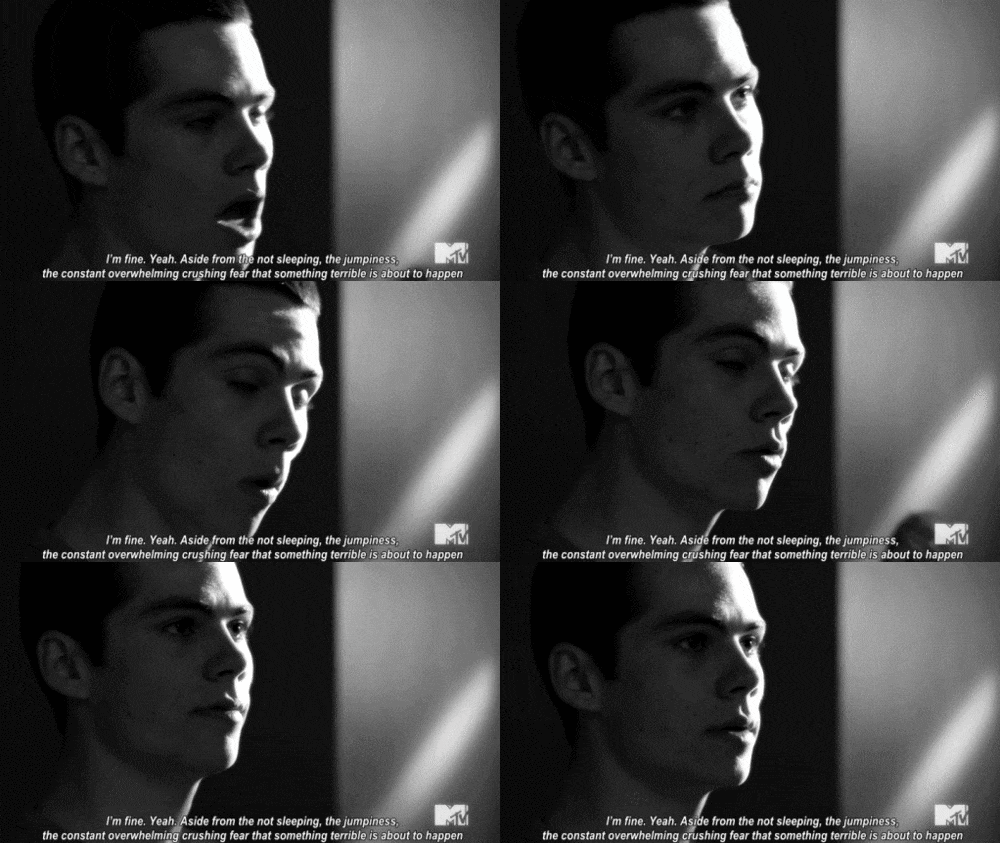
Before I get into this article let’s have a little Anxiety 101. There are several types of anxiety disorders according to WebMD including panic disorder, social anxiety disorder, specific phobias, and generalized anxiety disorder. The symptoms vary but it’s imperative to me that anyone reading this understands: anxiety affects you physically just as much as it does mentally. Some of these symptoms (especially for panic attacks) according to the Anxiety and Depression Association of America are palpitations, pounding heart, or accelerated heart rate; sweating; trembling or shaking; sensations of shortness of breath or smothering; nausea or abdominal distress; paresthesia (numbness or tingling sensations); feeling dizzy, unsteady, light-headed, or faint; and more. According to the same association, on college campuses, anxiety disorders are one of the most common mental health problems with 75 percent of adults having their first episode by the age of 22. This all goes to show that anxiety is far too relevant and harmful for us as a society, especially in college, to ignore. To add to my credibility I unfortunate have personal experience with anxiety disorders and panic attacks but this all allows me to now hopefully help you with how to get away with anxiety.
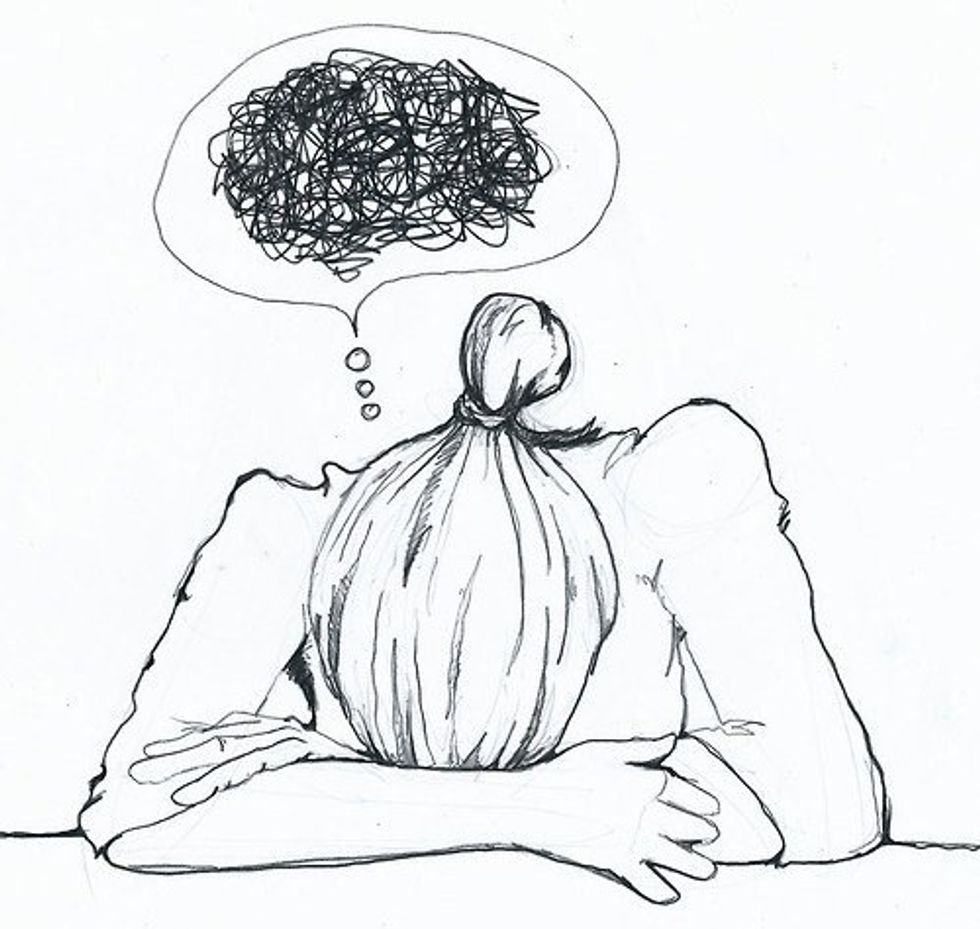
Therapy.
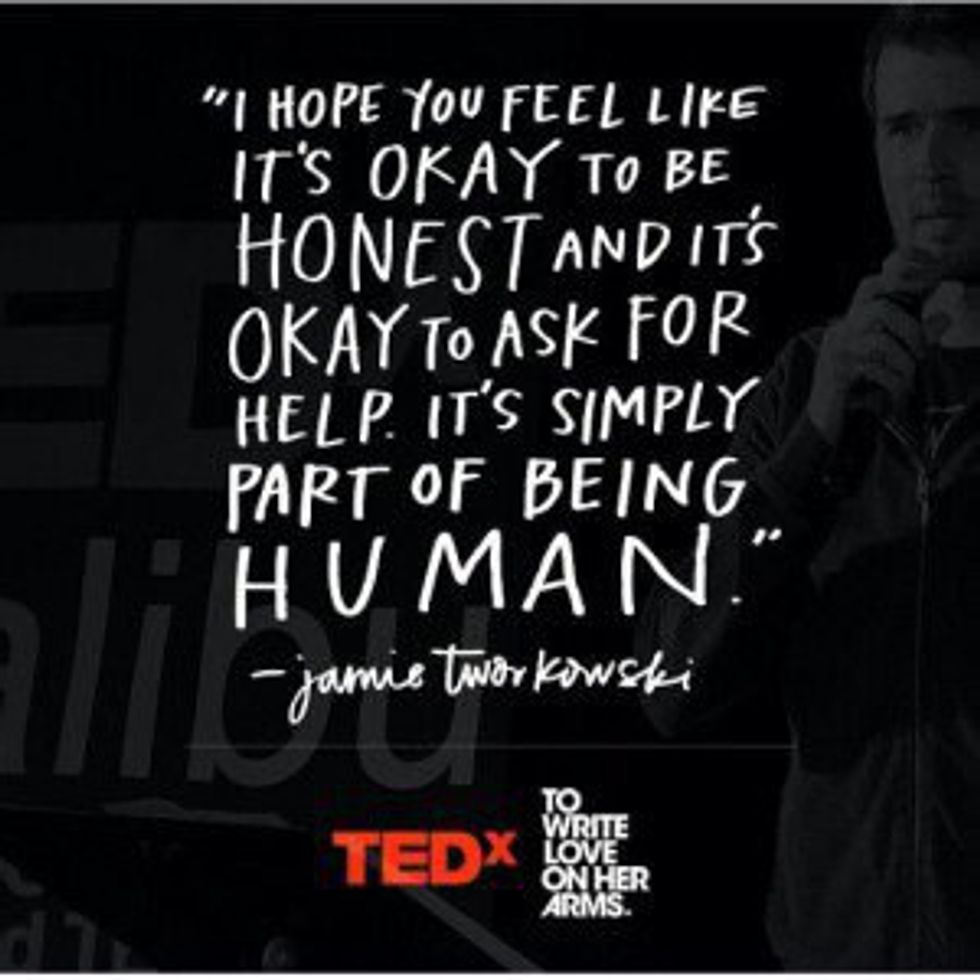
I am sorry there is a stigma surrounding therapy but it’s okay to ask for help. Therapy is not just for rich TV show families going through a divorce. If you have the flu you have to go to a doctor, this is no different. Talking to an unbiased, trained professional is actually really helpful and at least, worth trying because if nothing else it is a coping mechanism. Professionals can help you understand what causes your anxiety, offer ways to cope, teach you cognitive ways to address your anxiety (self-talk, thinking realistically), give you exercises / practice based on your case, help you understand your disorder, and even prescribe or recommend medication depending on his or hers title. Many college campuses now offer some free therapy sessions, in fact, that is where I first went and got diagnosed and I never had to pay anything (thanks, Towson University).
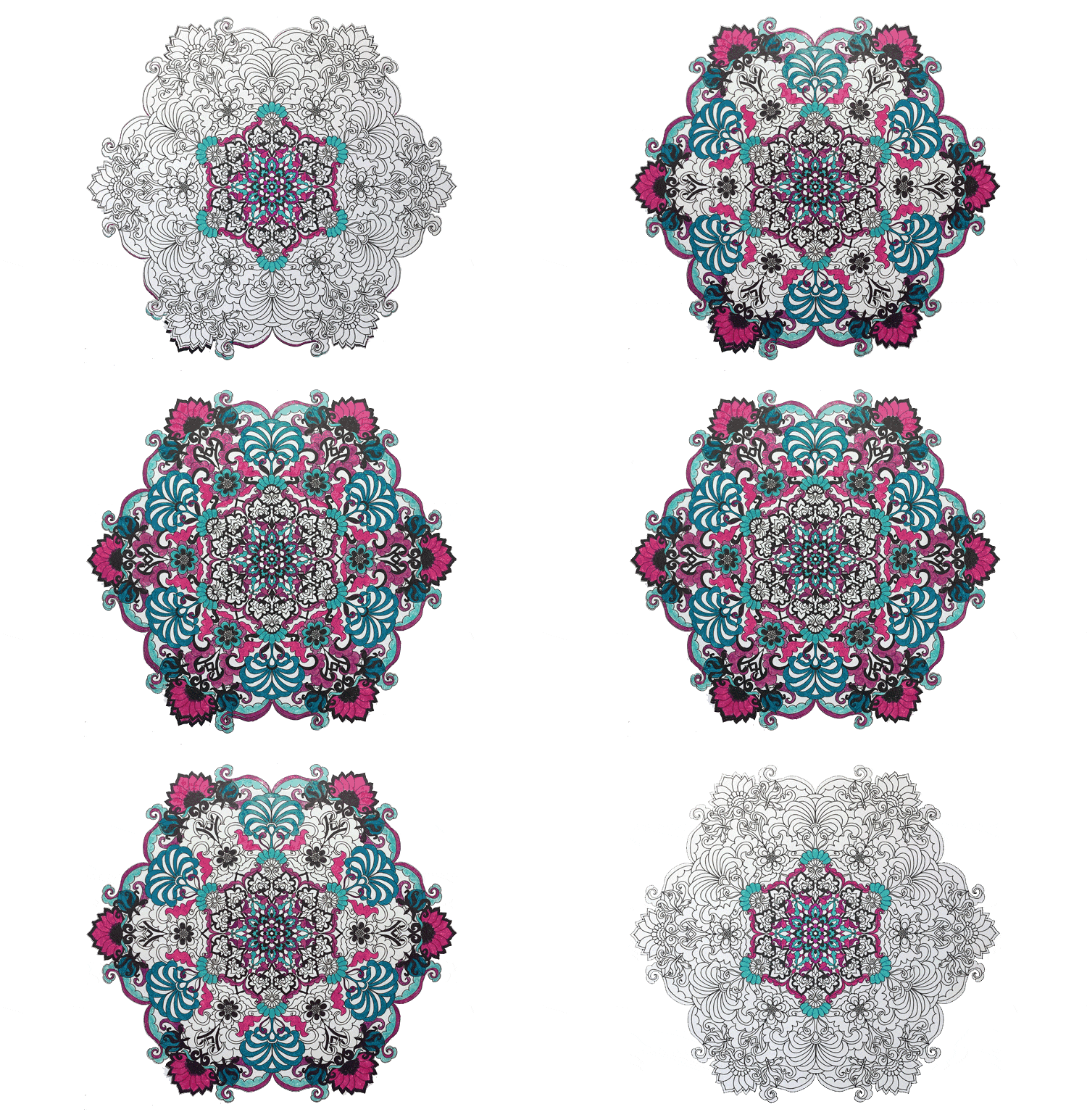
Find what helps you relax quickly and always have it available.
This could be a playlist of songs, a certain scent (lavender, peppermint), chewing gum, doodling or coloring, etc. This is not a treatment, but it is a quick fix that can make daily anxiety more manageable.
Know where you feel safe.
Whenever I go somewhere new I locate the bathrooms AKA my personal safe place. For you, it might be a hallway or going outside but by having a designated place to go in case something happens gives you peace of mind and it should allow you to recover quicker without any additional interruptions.

Take care of yourself.
It’s okay to take a mental health day and skip class or work, cancel with friends, sleep in late or go to bed early, turn off your phone, arrive early, etc. Whatever it is that you know will be best for you is what you should do because you’re the one with anxiety and, therefore, you are your only priority. Your friends and family should understand and I would hope if you explained your medical situation to a professor or an employer they would understand.

Set a routine for yourself.
In a world of unpredictability, there is still some aspects you can control and having a routine can add structure and safety to your life. Example: wake up, eat breakfast, read for 15 minutes, shower, get dressed, check social media, play with the dog, and leave by 10 a.m. This stability may be all you can depend on some days but that little extra help could make a big difference.

It’s okay to avoid what makes you anxious sometimes such as the news or parties.
Once you understand what can trigger your anxiety or even panic attacks, you can take steps towards avoiding those situations if possible. You’re allowed to get rid of toxic relationships. You’re allowed to not follow the world news, we live in a scary world and you shouldn’t add to your stress if it’s not information you need to know. You’re allowed to “not be normal” and skip going out; not drinking alcohol may also help you manage your anxiety and stay feeling in control. There’s no rulebook on how you have to live to believe it or not, so write one that is best for you and follow that.
Find an outlet.
Whether it be painting, writing, running, playing music, etc. just find something you can put your energy into and also allows you to express yourself. There is so much more to you than your anxiety and you deserve to discover that.

After a panic attack, take extra care of yourself.
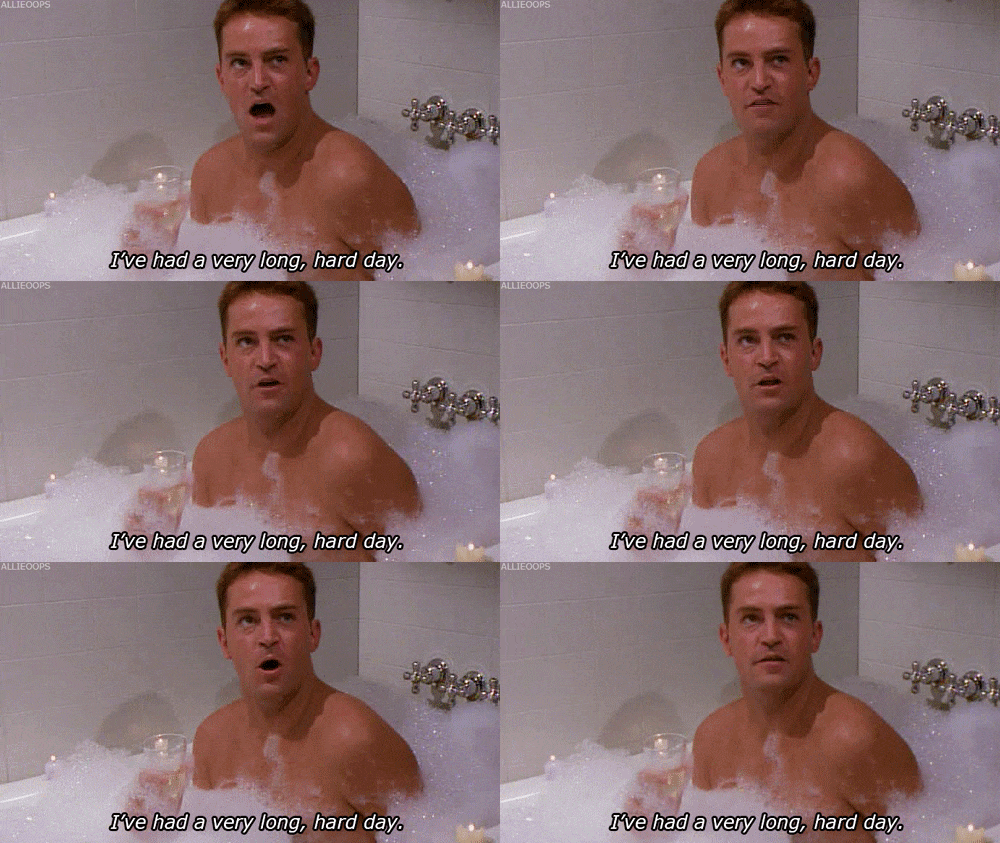
Your body just went through a war, it’s time to re-group. Drink extra water, sleep in to let your body recuperate, take medicine for any headache / body aches. Don’t just dismiss the fact that your mental illness is also physical.
Reward yourself.
You will have bad days, but you will have some really blissfully good ones as well. If you’re able to overcome a fear or accomplish something that is harder for you, that is an accomplishment! Maybe buy yourself a cookie or watch one more episode on Netflix. You’re dealing with something that is not easy but that doesn’t mean it is impossible to overcome.
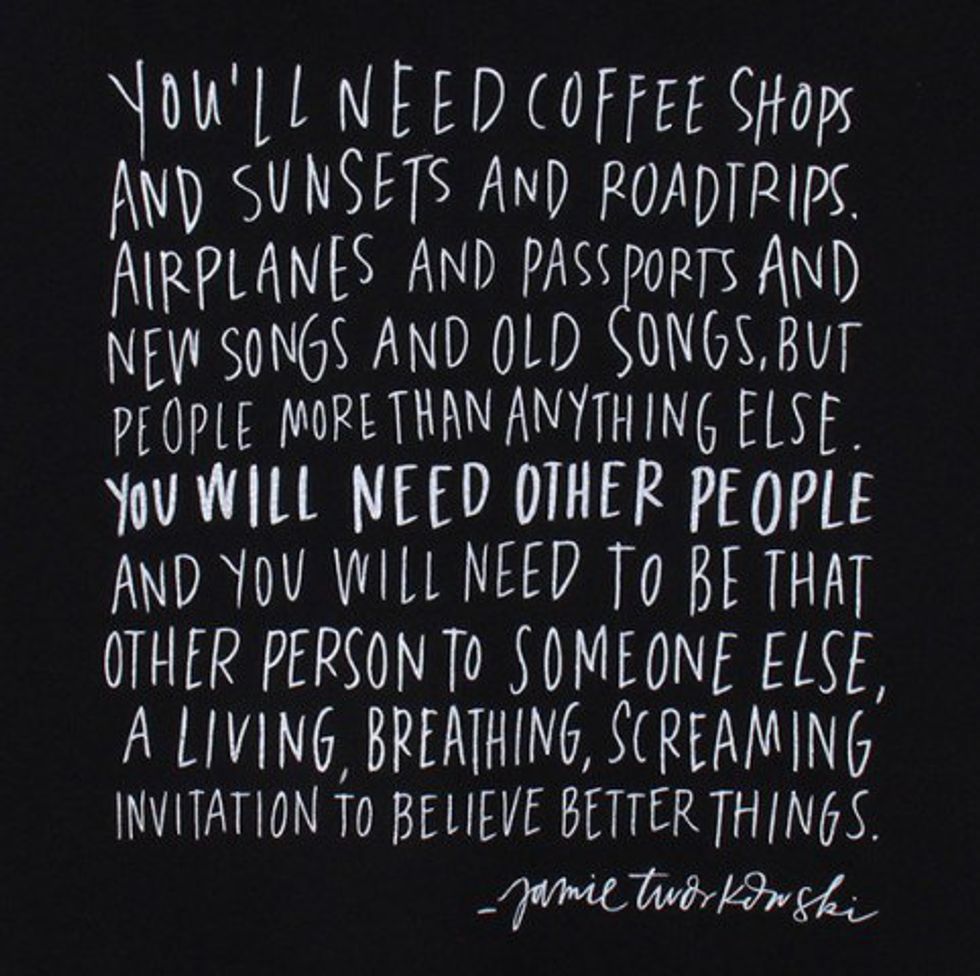
I am not an expert but I hope this helped you some. I know you can “get away” with anxiety because thousands of us do it every day. Anxiety is a setback but it doesn’t necessarily have to be a roadblock. I’m proud of you for dealing with all you have up until this point and I believe you accomplish so much regardless of what you deal with. If you have any other “how to’s” leave them in the comments and here are some additional resources:
Find a Therapist, learn more about Anxiety Disorders, read about Mental Health.
National Suicide Prevention Lifeline: 1 (800) 273-8255