When I came to ASU, I had no clue that it was one of the best schools for "sustainability" and honestly, I couldn't care less. But since being here for the last semester, I've gained a new appreciation for the beautiful world around me and a new passion to protect it.
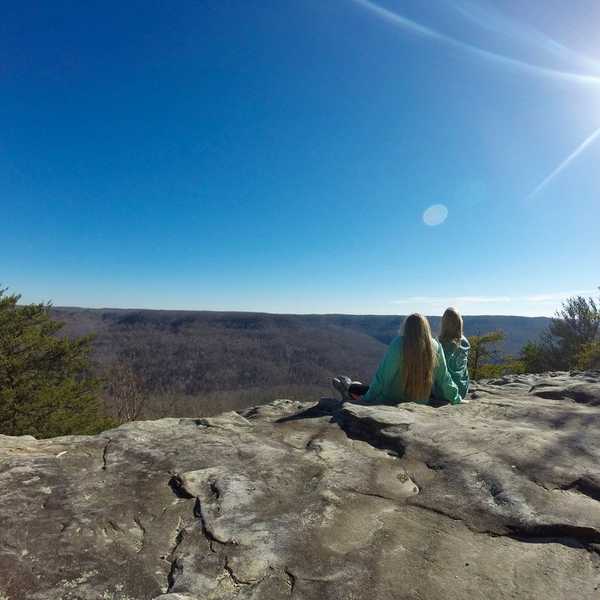
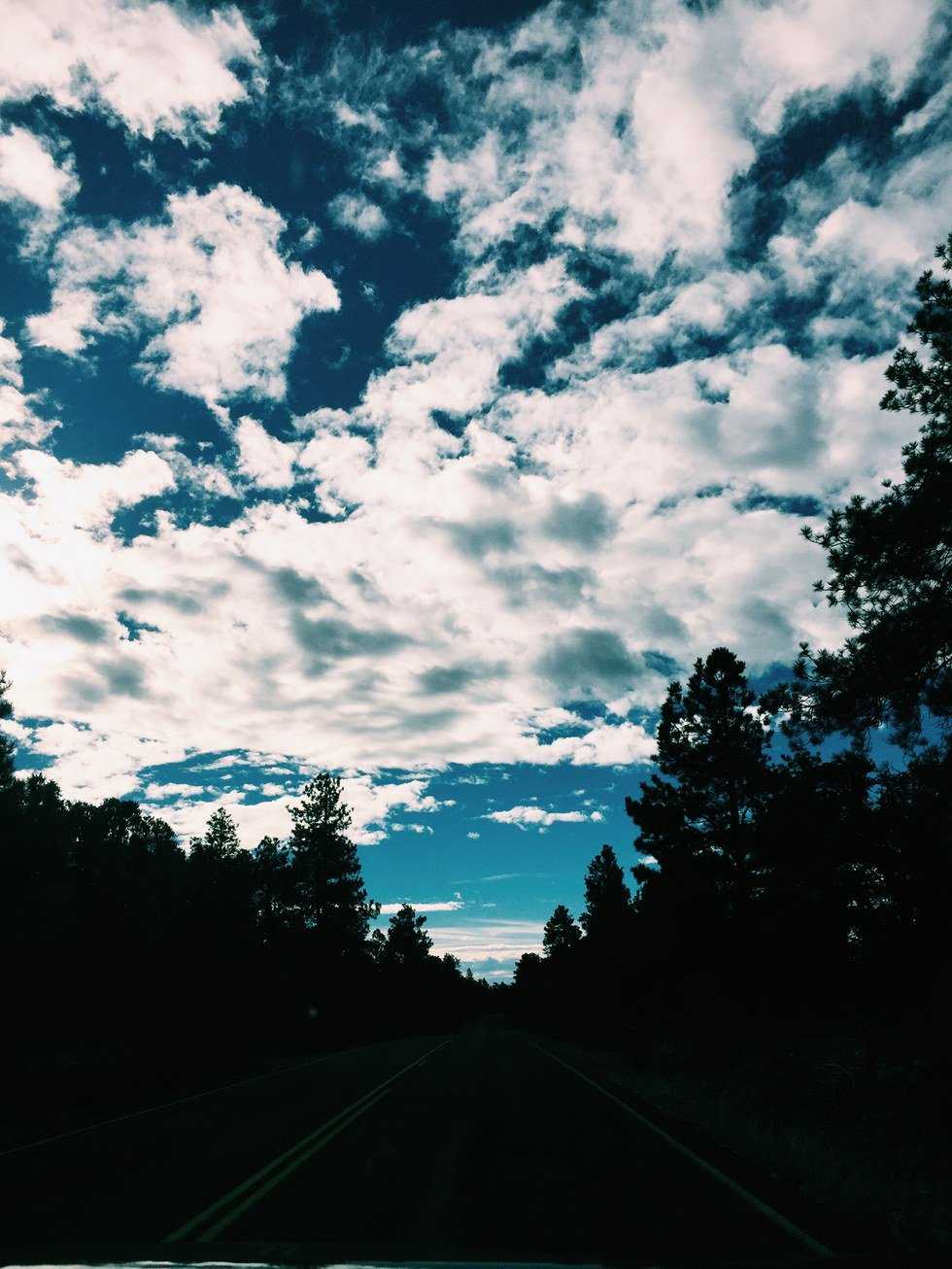
I moved to Arizona with a fondness for it's natural beauty...I love the way the mountains seem to hug you when you're driving. I love the sunsets with palm tree silhouettes. I love seeing the world from the top of a mountain.
Before I came here, I didn't have an appreciation for what I already had. My Arizona-native friend, Tammy, would tell me about how much she loves rain and huge trees and cold air. I wanted to laugh and tell her that she doesn't understand - she's the one who had it all in AZ. But after a while, I began to realize that the grass really is "always greener on the other side" and how amazing Mother Nature really is; no matter where you are, you just have to recognize it.
I've experienced these moments of complete awe because of nature many times - when I looked around on the inner rim of the Grand Canyon at sunset, when I look over the clear ocean in Mexico, when I look at clouds out of a plane. But this year I've learned that this awe is all around us. There is beauty on my bike ride to class every morning. How icicles hanging from branches and perfect limes growing from trees can be just as awe-ing. How, by living on earth, I ALWAYS get to reside in luxury. Once I recognized this, it seemed unquestionable that I do everything in my power to preserve this place that I'm lucky enough to call my home.
My parents raised me recycling, composting, and being pretty eco-friendly for our circumstances, but I never even really realized it. I always made art out of recycled materials and volunteered to pick-up trash. I think I did subconsciously think more "green", but it was more of a "whenever-it's-convent" thing. I would get annoyed that we never had paper towels and that my parents didn't buy us bottled water. Now, though, my perspective has completely shifted. I consciously think about if what I'm doing is "sustainable" more than I ever would have imagined - I've learned how every move I make affects the future of our planet.
At ASU, there are many organizations and programs whose mission is to make things "greener." Simply being surrounded by this forward-thinking community has helped me comprehend that every tiny choice I make is important. The passion, drive, and intelligence of Tammy has also inspired me to not be ignorant about the affect I have on the world.
Here are a few of the ways I've learned (though ASU, tammy, documentaries, and more) about how I can help preserve the earth every single day. I realize that an argument against many of the things is that "it's already made, might as well use it" but by continuing these non-eco friendly habits, we are enabling their production. When we use/buy these things, businesses continue buying them, and companies continue producing them. Most of them are also cheaper and healthier for you too!
1. Cut down on the meat. Before college, I have never really understood many of the reasons as to why people go vegetarian, and had a very hard time sympathizing with them. But when I came to school, I learned that people were vegetarians and vegans for a reason that I've never in my life heard of before - for the earth. Meat production, especially beef, is a huge huge cause of pollution. The production of one cow has enormous affects of water usage, pollution, and climate change. This blew my mind, and although I don't think I'll ever vow to go full-fledged vegetarian, I have made an effort to cut out meat when it's really not necessary or sub dark meat for chicken. Imagine how great of an impact we could make if "Meatless Monday" was a widespread thing.
2. Ditch plastic straws. (Thanks, Tammy!!!) Plastic straws are one of the most common pollutants in our waterways, affecting whole ecosystems. They are merely an unnecessary luxury, so if they're doing more harm than good, why not stop? It's such a small thing to do and can become so easy once you make it a habit. You may think your choice to use a straw or not will never impact anything but that's not true.
3. Vote. No matter how much we do, some of the biggest, most potentially-threatening environmental problems are decided by those in higher-up. Research to see what the candidates opinions are on environmental issues, and go vote for the ones working to save our world!
4. Refill a water bottle. Using a re-fillable water bottle instead of plastic water bottles can significantly decrease the amount of plastic pollutants.
5. Check where you buy your food. This is a big one. Many food companies that we are familiar with have huge production sites that pollute our air. The mass production emits fossil fuels into the air, destroying our ozone and contaminating the air we breath. Look locally for your food and promote production for farmers and others using eco-friendly production methods.
6. Print less. Use the resources you already have. It's 2016, you can pretty much use your computer for everything. I often have a hard time with this one because I like the tangible form of work, but I'm becoming more aware of how many trees I'm killing by that.
7. Only take as much as you can eat. Reduce the amount of food waste by only taking the amount of food you'll eat. If you do have extra, compost what's left so the food doesn't sit on landfills. Our planet goes through a lot to put food on your plate, be grateful for it.
...The list goes on. There's an endless amount of steps we can take to be more eco-friendly, these were just some of the ones I leaned this year. The last step I'd encourage is simply to go outside. You don't have to go to the top of the mountain or the end of a pier to see that we are surrounded by always surrounded by breathtaking beauty. Try to recognize the gifts all around you and you'll start to appreciate how great it feels. To feel the sun on your skin, to breath in cold air, to feel real earth beneath your feet. I think you'll agree with me and see that this earth is not something we should take for granted.