
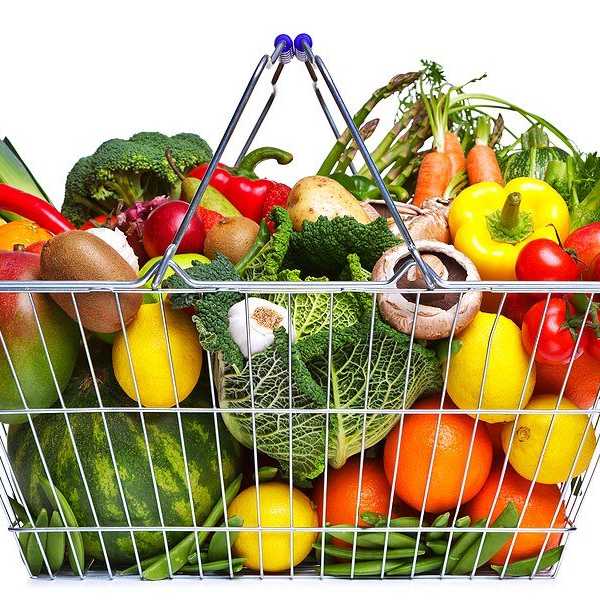

America has quite literally outweighed almost every other nation in the world when it comes to obesity. Our country’s portions are infamously larger and consumption rates of processed foods higher than pretty much anywhere else on Earth. According to the CDC, “More than one-third (34.9% or 78.6 million) of U.S. adults are obese” and “Approximately 17% (or 12.7 million) of children and adolescents aged 2—19 years are obese.”
Obesity, as many are aware, can lead to many health problems including diabetes, high blood pressure, and heart disease – the leading cause of death for both men and women in the United States. Clearly, this epidemic is a real problem for our country’s population, and it’s hard to believe that there is absolutely nothing to be done to improve the overall health of America.
In an effort to assist Americans in making healthier choices and hopefully, in turn, making a dent in the overwhelming number of people in the country who suffer from obesity, the FDA is officially updating food nutrition labels for the first time in 20 years.
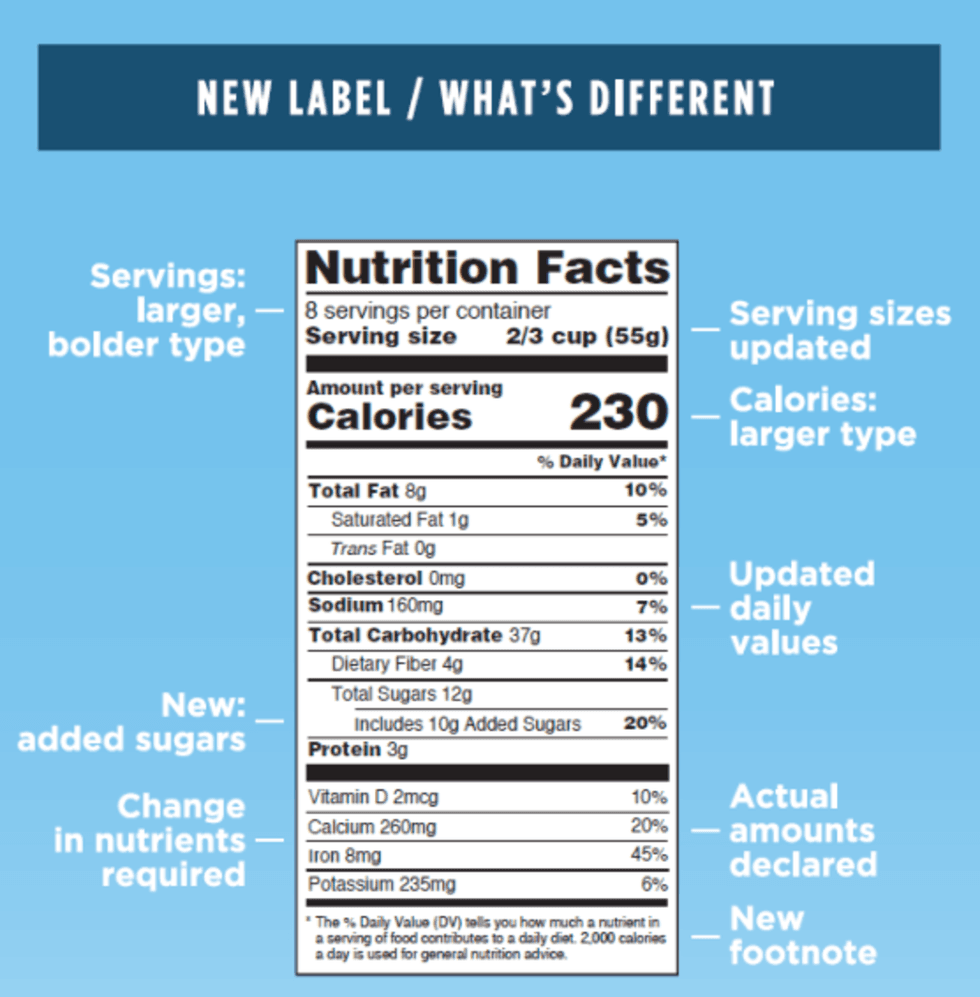
Some changes made include making serving sizes more realistic – foods that you eat a lot of in one sitting that come in a multi-serving package have larger serving sizes now, for example. The information on calories and serving sizes are also larger and more prominent, making these important numbers easier to read and harder to ignore.
There is also a new category that tells customers how much sugar has been added to the food in question, and what percentage this fills with regards to your recommended daily sugar intake. The vitamin listings are also updated – information on Vitamins C and A have been taken out seeing as deficiencies of these particular vitamins have become fairly uncommon, whereas deficiencies in Vitamin D and potassium have increased, so these are now listed instead.
While it’s easy to be skeptical that these seemingly small changes won’t actually do anything to decrease nationwide obesity, a change is a change. Any step in the right direction is worth a try. These changes make it much easier to accurately measure how much you will realistically be eating, which can’t possibly be a bad thing.