

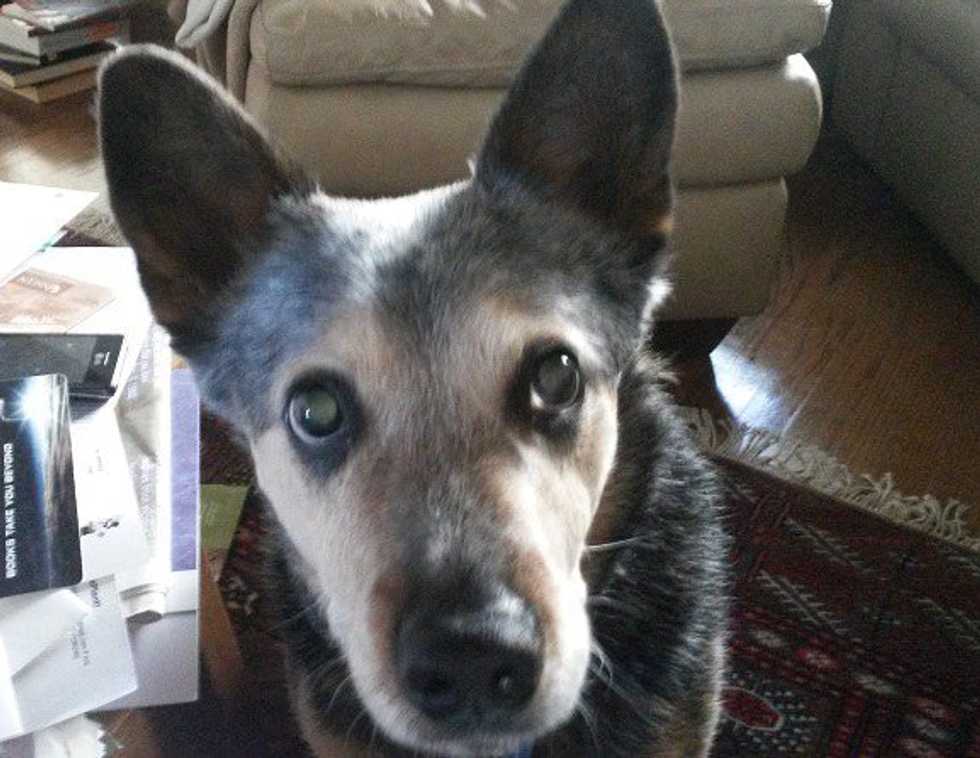
Looking to Adopt?
If you are considering adopting a dog, you should know that where you adopt your new friend from can make a huge difference.
Buying an animal from a pet store is highly discouraged by the ASPCA because many pet stores have links to puppy mills. Puppy mills are establishments which breed puppies for profit and often keep their animals in cramped and unsanitary conditions. Many mills force mothers to bear litter after litter without allowing them time to recuperate. Unless a pet store gets its animals from local animal shelters, buying dogs from pet stores should be avoided entirely. That leaves you with a choice between breeders and shelters.
A common reason that people get their new dogs from a breeder is that they are interested in owning a specific breed. It may surprise you to learn that there are purebred dogs in shelters all over the country. There are even breed-specific rescue organizations! Mixed breeds, on the other hand, often have fewer genetic health issues and live longer, healthier lives. If you decide to get your dog from a breeder, make sure to choose the right breeder. Visit them and observe the attitude of the puppy's parents. Their temperament will influence their puppy's disposition.
Many people seem to think that dogs end up in shelters because they have done something wrong. Reasons for relinquishment often have nothing to do with the dog. Moving is the most common reason that owners relinquished their dogs, followed by landlords not allowing pets, ending up with too many animals, and not being able to keep up with the cost of caring for a pet.
Speaking of cost, make sure that you can afford the expenses that come with adopting a furry friend. Many shelter dogs are already spayed or neutered and up to date on their shots, but there will be vet bills down the road. Your dog will need food, a bed, chew toys, bowls, brushes, shampoos, a leash and collar with tags, and heartworm preventatives. Some short haired breeds like Greyhounds and Chihuahuas require sweaters or coats in cold weather. Puppies will also require a training crate. While shelters often have adoption fees, they generally cost less than buying a dog from a breeder or a pet store. Many rescue groups and shelters reduce adoption fees for older dogs or waive fees during special events! You may want to follow your local shelters on Facebook to keep an eye on their upcoming events.
Do not adopt a pet if you will not be able to devote the time that every animal needs and deserves. In addition to feeding, walking, bathing and grooming (which can vary greatly between breeds!), dogs need socialization just like people. A huge benefit of adopting from shelters is that the volunteers can help you find a dog that suits you. Are you a couch potato looking for someone to cuddle while binge-watching Netflix or a jogger looking for a new exercise buddy? Do you want a dog that's always ready to play or one that's mellow? They'll know just the dog for you. Older dogs tend to be less destructive than their puppy counterparts. They are usually also house trained and may already know commands such as "sit" and "stay." You can also ask specifically about dogs who are suited to your living situation, whether you have a small yard, a huge yard, or no yard. The volunteers will be happy to help because by adopting one of their dogs you are not only saving one life; you are saving two! Adopting an animal frees up a space at the shelter for another pet in need.
It is a big decision to adopt, as many dogs live between eight and 16 years. Bear in mind that you are inviting an animal into your family when you bring it home with you. If you are ready to make that commitment, adopting from a shelter is an economical way to find the perfect companion while supporting shelters' efforts to save animals.