Within this past year, the United States has seen jurisdiction across 11 different cities that effectively bans retail pet sales. These cities are just some of the 20 states and 65 other cities that have enacted similar laws since 2006 in efforts to curb puppy mills across the nation.
According to the American Society for the Prevention of Cruelty to Animals (ASPCA), a puppy mills is defined as "a large-scale commercial dog breeding operation that places profit over the well-being of its dogs—who are often severely neglected—and acts without regard to responsible breeding practices."
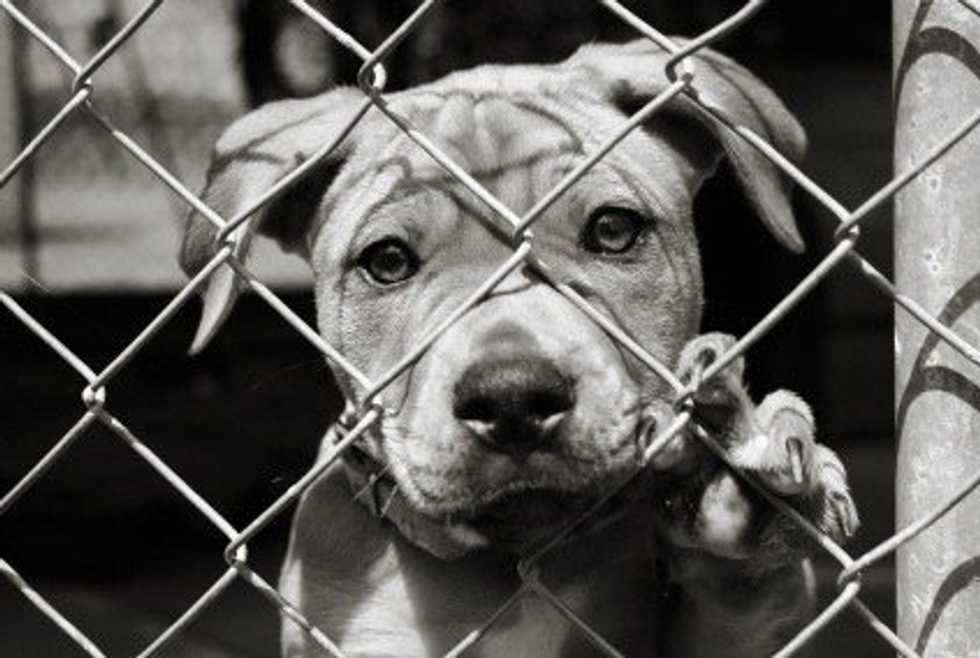
The dogs within these establishments are often confined in cages their entire lives with inadequate nutrients and veterinary care. Female dogs have it even worse, impregnated over and over again with little to no recovery time in between pregnancies. After she can no longer reproduce, she is often shot, abandoned, or starved until death.
In 1966, the Animal Welfare Act was passed, setting "minimum standards of care and treatment be provided for certain animals bred for commercial sale." This minimum, however, is horribly inadequate.
Under the Act, dogs can be kept in cages only six inches larger than the dog for their entire lives. These cages can be stacked on top of one another so waste and other matter drops down on canine inhabitants below. There is no jurisdiction that regulates how often female dogs can breed, so establishments are free to continually impregnate weary mothers.
Pet stores that claim to be "USDA Licensed" are claiming that they follow the standards set by the Animal Welfare Act, but these standards do not equal any appropriate level of quality care.
In the United States, there are about 10,000 puppy mills. Half these mills breed over 500,000 dogs. That means millions of dogs every day are being cramped up and starved of basic care. Not only is this inhumane to the animals directly affected, but it creates a problem of pet overpopulation.
Each year, 8 to 10 million dogs and cats are killed in shelters across the United States. This number does not include those dying on roads or from unreported abuse. It also doesn't include the millions of strays that have been neglected and have not found shelter homes.
Puppy mills breed constantly, which is absurd when the myriad of dogs who still need homes are taken into consideration. There are not enough shelters to house the dogs who have been forgotten, and by supporting puppy mills, not only is one supporting inhumanity, but one is effectively killing other dogs for whom there is not enough shelter space.
Jurisdictions are spreading across the nation to curb the retail sale of pets from puppy mills, but there is still more that needs to be done. If you or someone you know is looking for a dog, please stray away from pet stores and find a local shelter. Not only will you change the life of that one dog, but you will help save the lives of many more, subject to the cruelty - direct or indirect - of puppy mills.