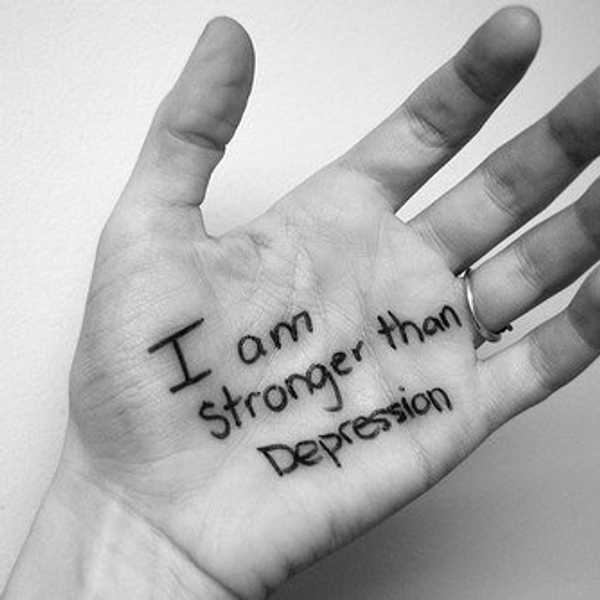

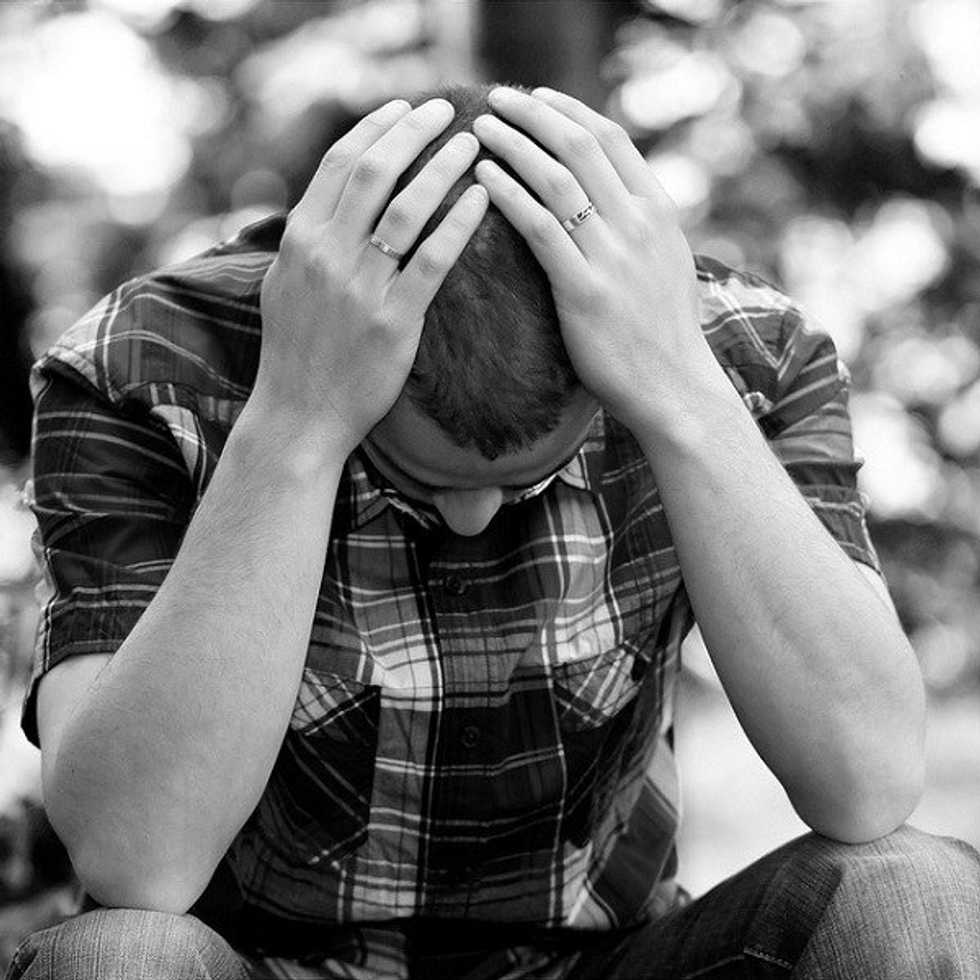
Depression is a mental disorder that, according to Who.Int, affects around 350 million people. There are 9 different types of depression.
1. Major Depression
You may hear doctors call this "major depression disorder." You might have this if you feel depressed most of the time.
Some symptoms are:
- Lost of interest in activities
- Weight gain or loss
- Trouble sleeping
- Feeling of being “sped up” or “slowed down”
- Feeling worthless or guilty
- Without energy
- Trouble making decisions
- Thoughts of suicide
Your doctor may diagnose you with this if you have five or more symptoms most days for two weeks or longer. Talk therapy can be useful along with antidepressants.
2. Persistent Depressive Disorder
If you have depression that last for more than two years, it's called persistent depressive disorder.
You may suffer from:
- Change in your appetite by not eating enough or overeating
- Sleep too much or too little
- Lack of energy
- Low self-esteem
- Trouble concentrating or making decisions
- Feeling hopeless
You may be treated with psychotherapy, medication, or both.
3. Bipolar Disorder
Someone with bipolar disorder has mood swings that range from extreme highs to depressive lows. When you are in a low phase, you have the same symptoms as someone with major depression. Medication can help bring your mood swings under control. Whether you're in a high or a low period, your doctor may suggest a mood stabilizer.
4. Seasonal Affected Disorder (SAD)
Seasonal affected disorder, also known as SAD, is a period of major depression that most often happens during the winter months, when the days grow short and you get less and less sunlight.
If you have SAD, antidepressants can help, so can light therapy. Light therapy you will need to sit in front of a special light box for about 15-20 minutes a day.
5. Psychotic Depression
People with psychotic depression have the symptoms of major depression along with psychotic symptoms.
Symptoms such as
- Hallucinations
- Delusions
- Paranoia
A combination of antidepressants and anti-psychotics drugs can treat psychotic depression.
6. Postpartum Depression
Woman who have major depression weeks and months after giving birth. Antidepressant drugs can help.
7. Premenstrual Dysphoric Depression (PMDD)
Woman with PMDD have depression at the start of their period.
Besides feeling depressed you may also feel:
- Mood swings
- Irritation
- Anxiety
- Trouble concentrating
- Fatigue
- Change in appetite and sleep habits
- Feel overwhelmed
Anti-depressants or oral contraceptives can help treat PMDD.
8. Situations Depression
This isn't a technical term, but you can be in a depressed mood when you’re having to manage a stressful event, such as losing jobs or loved ones. Doctors may call this stress response syndrome. Psychotherapy can help get you through periods of depression that relate to stressful situations.
9.Atypical Depression
This type is different than persistent sadness. If you have atypical depression, a positive event can temporarily improve your mood.
Other symptoms may include
- Increased appetite
- Sleeping more than usual
- Feeling heaviness in arms and/ or legs
- Over-sensitive to criticism
Antidepressants can help.
Depression is something that affects a lot of people but with the right treatment, you can get better.