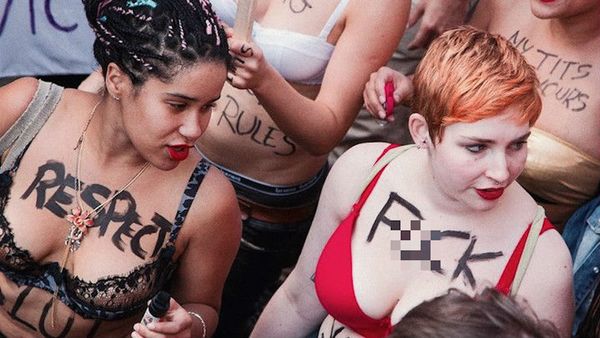
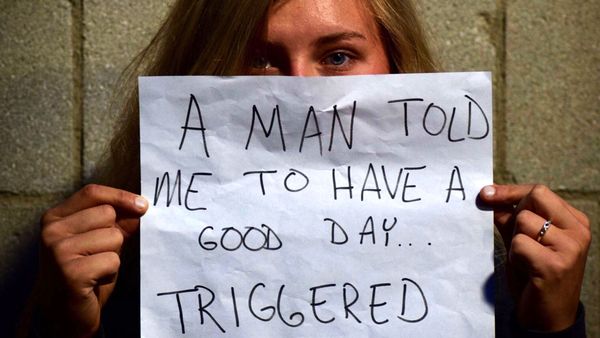
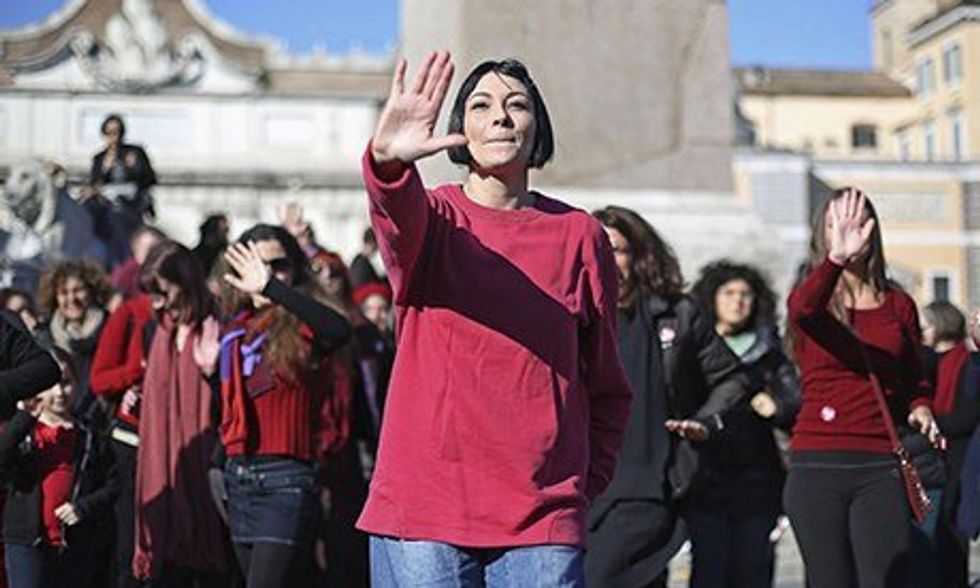
It seems every generation brings a new set of issues. More ways to segregate, more ways to oppress. It's as if it is an inevitable natural occurrence in society. A recycled inherent vice. Women have been under the boot of such vice since the formation of our society and it has taken four movements, four generations of soapbox rallies, marches and protest demonstrations just to achieve the social position they have now. Unfortunately, it is not nearly enough.
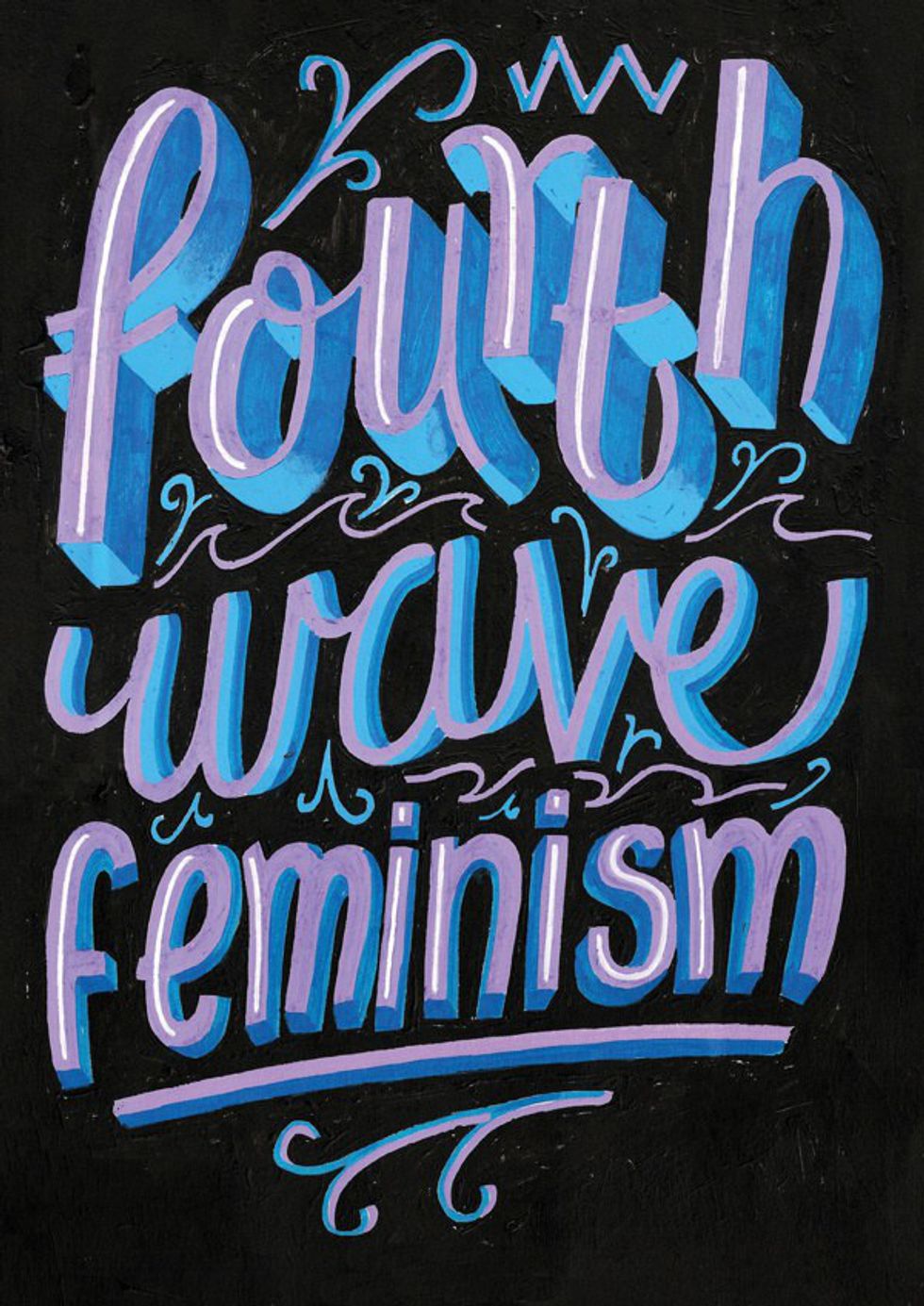
According to sources like The Guardian and the Political Studies Association, a new wave of feminism is brewing within contemporary culture. Within the past couple of years, women and women sympathizers have utilized social media and multimedia platforms to express the frustration of oppressed women and accuse the discriminatory intersectional forces that they face.
The power of media has single-handedly revitalized the feminist movement as it expedites the process of spreading the word and educating the masses about the wrongs committed in society. With such speed and accessibility, the media has allowed the feminist movement to expand. Creating gateways for transgender and queer movements to reciprocate and equally express the discrimination against them.

The fight for equal pay and the end of false female stereotypes still exist but feminism has gained new political issues such as anatomical independence and the effort to socially abash misogyny and traditional patriarchy. Along with the anti-queer and anti-gender fluid sentiments harbored by many that their comrades fight against. The fight has become more personal.
Social media has allowed voices to reach more ears and, therefore, the ability to call out more injustices. The new feminist movement is built by those who understand modern culture and technology's presence in it. They, therefore, have the ability to personally connect with a mass of victims and sympathizers who concur with the feminist rhetoric. With the knowledge of this ability, the feminist movement has made the personal and informal political.
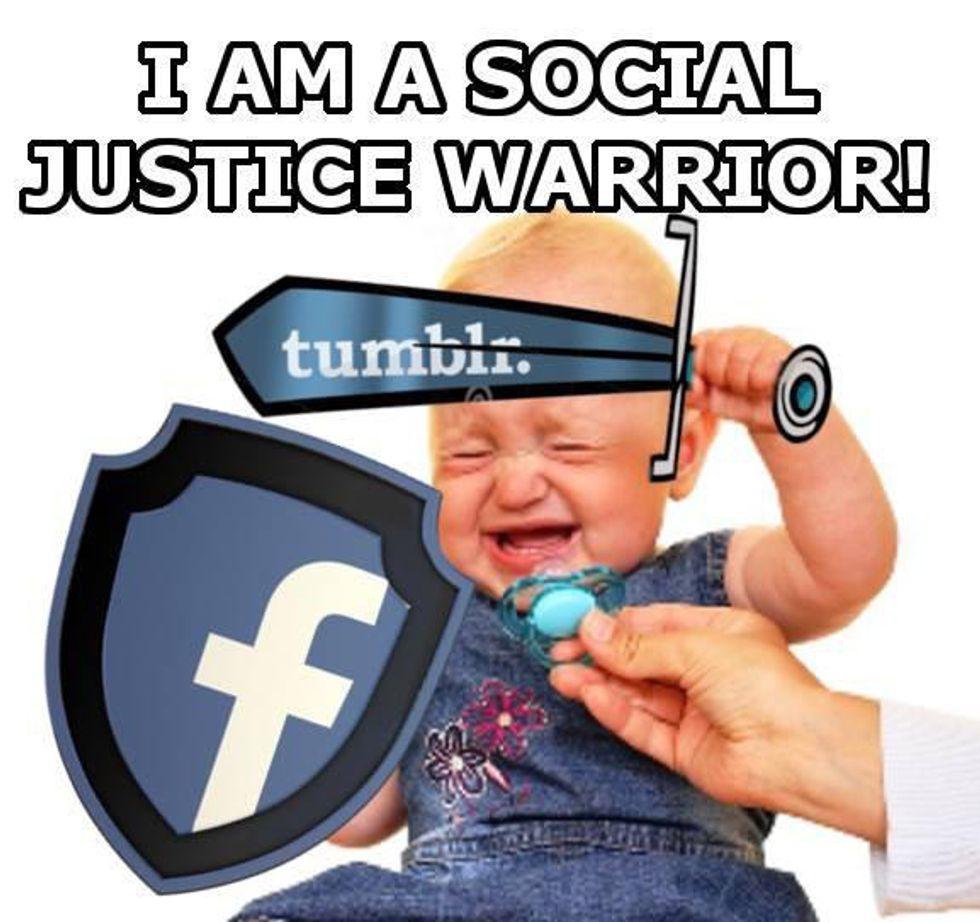
But with the power of social media, there are consequences. Many pro-feminist social media bloggers have and will experience vulgar and unbecoming consequences.
However, many may feel victimized by the waves of feminist rhetoric, feeling held accountable by situations and accusatory lists of discriminatory actions that they do not feel a part of.
Unfortunately, a war has two sides, where feminists blog and call out others aggressively anti-feminists return with an, even more, nonconstructive retort. Is fighting fire with fire a progressive way to end social injustice?
The majority of anti-feminist or homophobic or transphobic sentiment is not only fueled by hate but by ignorance. So, in an effort to help eliminate the lack of knowledge and perception of feminism as well as the lack of knowledge and perception of those who feel threatened or confused about feminism.
So, here are seven prudent questions for feminists designed to help others have a better perception and social awareness of how to treat women and the oppressed right.
Please feel free to constructively discuss these questions in the comment section below.
1. Is chivalry or the efforts to behave courteously toward women inappropriate?
It is true that many men use chivalry as a facade to obtain their sexual desires or display a physical sense of superiority through hollow kindness, however this does not mean that some men use it for its original purpose.
To display kindness and courtesy as a means to convey love and respect, not perpetuate an idea that women are dependent on men. Should there be an ultimate end to this way of interaction between men and women?
2. Are safe spaces fair or necessary for women or oppressed members of society?
Many may perceive a safe space as locked shelter that segregate people from reality. A means to be surrounded by like-minded people, shielded from the responsibility to deal with others who do not share their opinions. Such as the women's only museum recently proposed by Pussy Riot.
What about those who are not female and yet wish to gain knowledge and perspective of women's endurance? Or do women and the oppressed have a right to create spaces to progress and advance their efforts to equalize society? A space to grow strong in embracive arms.
3. Are men the sworn enemies of feminism and perpetrators of misogyny?
A great majority of feminist rhetoric is direct against men and can often be a generalization or perceived as a generalization. What about women who still carry the traditional beliefs of a women's place in society.
Or do men deserve to be called out despite their beliefs, as a we have been the main, maybe not the entire, but the main cause of female oppression. Just as whites were and continue to be the main, not the entire, cause to black oppression.
4. Should feminist be more selective of what actions they consider making them equal to men?
For instance the argument of slut shaming. In today's society men can be praised for picking up women when women are often shamed for picking up men. But is it right for anyone to manipulate others for sexual pleasure? Or do we truly have the freedom to do whatever we want?
5. Is being neutral the same as being the problem?
Are men or women who do not consider themselves feminists because they do not personally agree with some of the arguments made by the majority of feminists necessarily misogynists? Do those who do not take sides part of the problem as they sit in silence? Or are they trying to be peacemakers?
6. Is the full rejection of the ideal female image progressive?
Does the refusal of wearing make-up, shaving legs, and wearing dresses or other articles of clothing designated for women become an effort to be more like men? Is this a powerful and pervasive way of expressing individuality?
7. Is the effort to be equal to men consider or ignore the biological and psychological differences between men and women?
It has been argued by many scientists, psychologists, and scholars that men and women have different physical and psychological roles in society.
The age-old nature versus nurture argument. Have these boundaries blurred? Is this a mere bulls**t maxim of Social Darwinism? An invention of men?Or should it be considered as a consensual truth and a tool to gauge feminism?
Please comment below.