


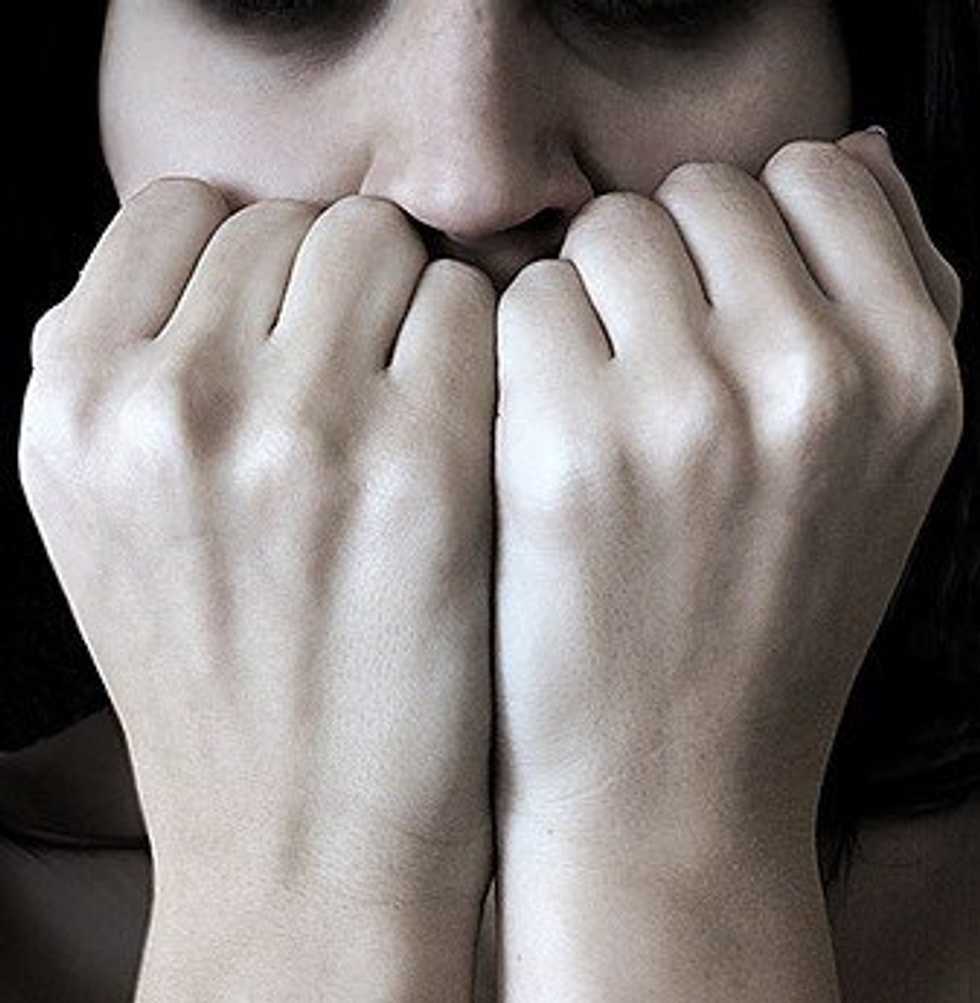
Panic attacks, social anxiety, phobias, generalized anxiety, obsessive-compulsive disorder, post-traumatic stress disorder; the list goes on. If you don’t have anxiety, it’s difficult to relate to those who do.
You know that feeling you get in your stomach when you miss the last step walking down the stairs or when you almost fall backward in your chair? Now imagine having that feeling for any matter of minutes, or hours, or days. That’s anxiety. Here are some things that people with anxiety want you to know.
1. Telling us to stop worrying isn’t going to help.
We know that you’re just trying to be helpful, but telling someone with anxiety to stop worrying is like telling a tiger to change its stripes. Believe us, if we could just stop worrying, we would!
2. Panic attacks are not something to be taken lightly.
We've all been there. You have a paper due on Thursday and you just picked up another shift at work. Everything piles up and sometimes it feels like too much. "Oh my god I'm having a panic attack over this" is something that people with anxiety hate to hear. Of course, people without an actual anxiety disorder can have a panic attack if they are provoked. However, saying you're having a panic attack when you're just a little stressed or worried is like saying that you're starving to death when there are actual people dying of starvation.
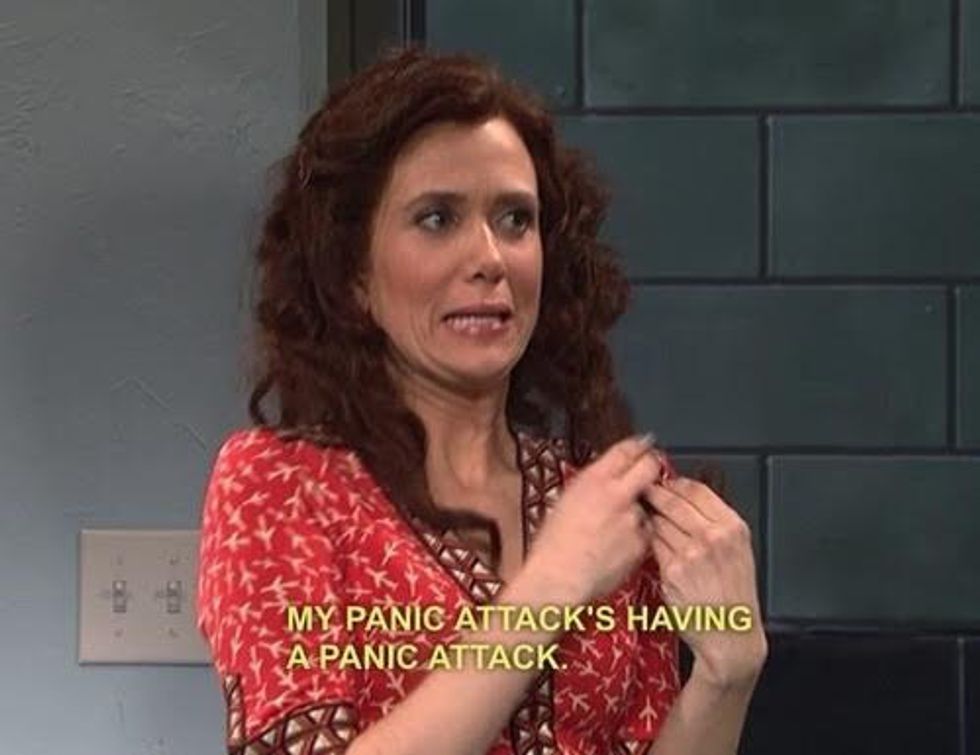
Totally relatable.
3. If we come off as a little rude, we’re not trying to be.
When anxiety strikes, we need to do what we need to do in order to remove ourselves from that situation. If that requires blowing you off and leaving, know that we’re not trying to offend you. We’re just trying to avoid a potentially even more embarrassing situation.
4. If we sleep a lot, we’re not just being lazy.
Anxiety not only affects the mind, but it affects the body as well. Tense muscles, labored breathing, trouble sleeping, body tremors, and gastrointestinal issues are only a few of the physical effects of anxiety. Every day we’re fighting a battle inside our mind and body and it’s exhausting.
5. Medication doesn’t cure anxiety.
Those who choose to take medication to help their anxiety know that it is not a cure-all. Yes, medication may help, but it is a daily commitment to not only remember to take it, but to implement other strategies in order to reduce anxiety.
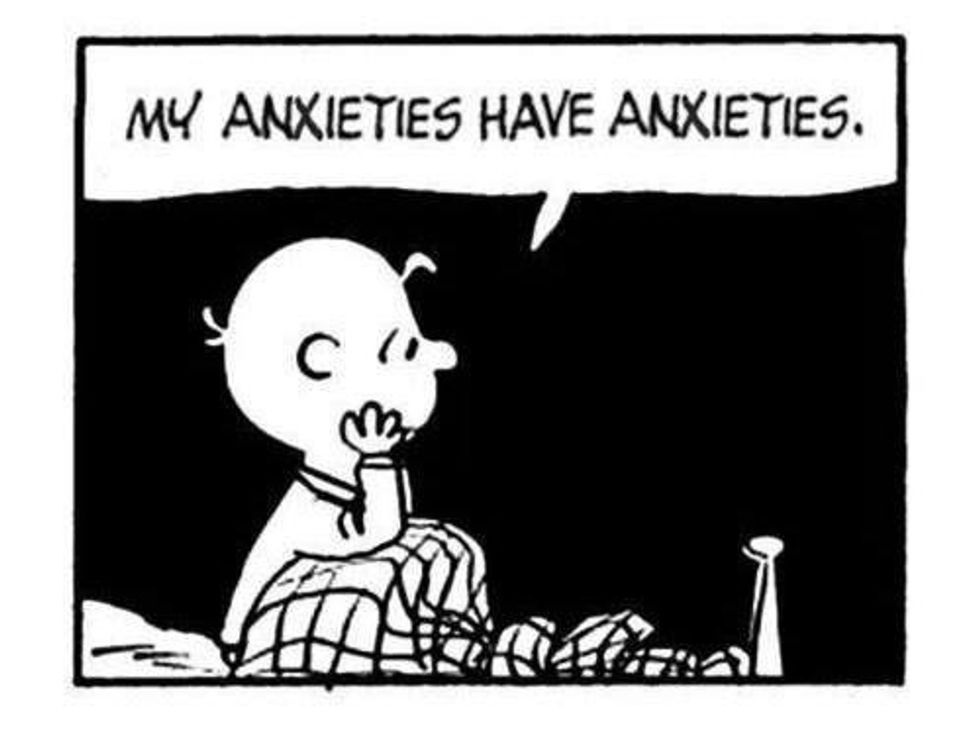
We totally get it, Charlie.
6. We need constant reassurance.
We question everything. And I mean everything. Even when we feel like the world is caving in on us and that we just want to give up, when you help us relax and tell us that everything is going to be okay, we appreciate it more than you may ever know. That pat on the back you give us may just be the extra nudge we need to get back up and keep going.
Having anxiety is not fun, and if you have experience with it, you know that it is a daily struggle. It can prevent you from living your life and getting things done. If you don't have anxiety, do not take that for granted.













