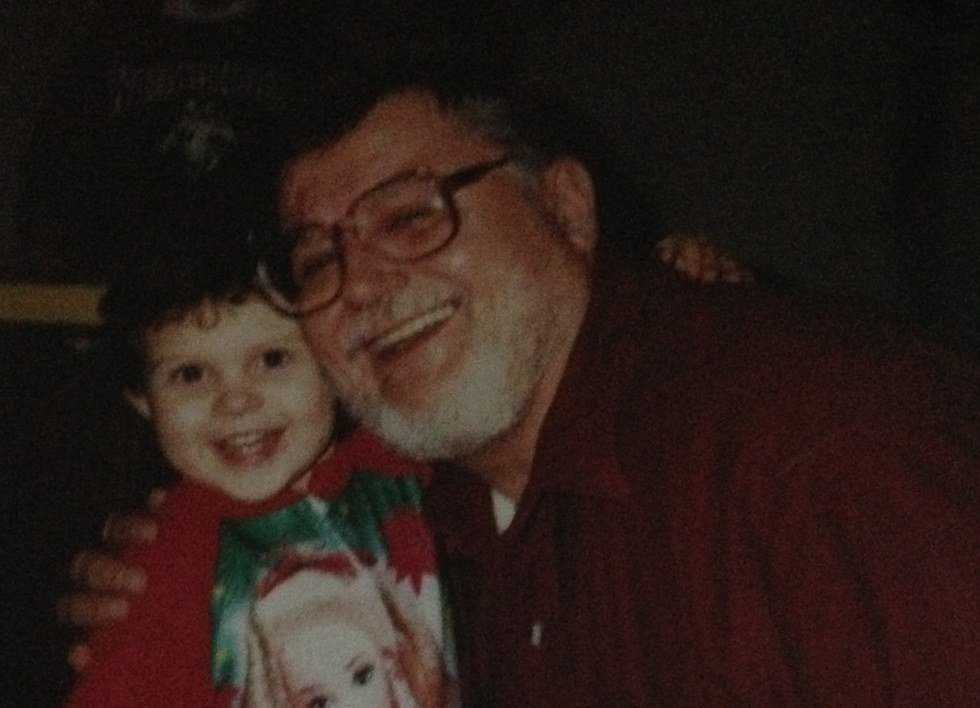
One of the hardest aspects of life is when we lose someone close to our hearts. Throughout my time here on Earth, I've known my fair share of people who have passed away, through illness, accidents, suicides, etc. Each death, whether it's a family friend, an extended relative, or someone in the community, it makes you slow down your day. Take a moment, and not only pray for those affected directly by the death, but also be extremely thankful for all the people God has given you in your life.
But when you lose a loved one, someone who you couldn't imagine life without, it's a completely different experience. This past December, my grandfather passed away the day after my fall semester ended. The last two and a half months of school were a series of juggling class, an internship, jobs, practice, a social life, and trying to go home as often as I could to help out with my family. When I got the phone call from my mom that Saturday morning, the feeling was indescribable.
I had lost my great-uncle my freshman year of college, whom my family was very close to, and that was one of the hardest things I had ever dealt with at the time. Losing someone in my direct family has taught me a lot about life, family, and ultimately - my relationship with God.
Here are the five things I learned losing a loved one:
1. Everyone copes differently.
I've come to realize that I internalize everything when it comes to losing someone. I sort of freeze up when I'm faced with the realization someone I love has passed. I like being left to my thoughts, alone, and not talked to. I think that some people can take that as me not caring or being uninterested in what's happening, but the fact is that it's my manner of coping. There are those who are highly emotional in times of loss, and who truly find comfort in physical touch, positive affirmation, and overall being surrounded by other people. People deal with loss in different ways, and there is no wrong way of doing that, which I feel like some people often forget.
2. The five stages of grief are real.
My grandfather has been gone for three months and I still believe I'm in the denial stage. I think a big part of that is that I haven't been at home since his funeral. Being away at school and staying busy has detached me from my family and ultimately the reminder that he's gone. It really hadn't registered that I'll never see him again until this past weekend. I received a card from my grandmother for Valentine's Day, and his name wasn't signed on the card, and I started crying when I realized what that meant. The stages of grief are real, and people go through them at their own pace and timing. Everyone reacts differently, and some move through them quickly while others can take months and even years to finally reach acceptance.
3. Any way of saying goodbye is never easy.
Whether you know a loved one's passing is coming, or it's completely unexpected, saying goodbye to someone forever is one of the hardest things you'll have to endure during your lifetime. It's a bit of a double-edged sword, and call it what you will, but I feel that I have been blessed being able to actually say goodbye to my loved ones before they passed. I was able to talk to my grandfather on the phone before he went in for an emergency surgery, one that he didn't wake up from. I was also able to drive to the hospital and say my goodbyes the day before he passed. I'm grateful I was able to see him one last time before he went, but let me clarify: it was extremely difficult and painful for me to see him in the state he was. Whether loved ones are connected to IVs or you get a phone call with the news of someone passing, saying goodbye on your own terms will challenge you in ways that are unexplainable.
4. Family will be there for you any way they can.
The great thing about my family is that both my grandparents on each side came from large families, so life has been anything but boring. When I came home from school, I was greeted by open arms and condolences from the people who had been through it all with me. I can't tell you how amazing that was to have that support. It was an unspoken agreement from all the branches in my family, no matter where we were, we would find a way to be there for each other; it was the same way when my uncle passed. Having that same support at the funeral was also greatly appreciated. It was a beautiful experience to hear all the wonderful stories about my grandfather and see all the lives that he had impacted and touched.
5. Dishing your anger out on God is never the answer.
This was something I learned earlier in life, but I feel that a lot of people struggle with this aspect of grief when losing a loved one. Some people look for someone to blame and when there's no one to point a finger at, sometimes God takes the heat and scorn. Instead of channeling your anger towards God, I found it to be extremely helpful to give the anger to God to do away with it. Vulnerability is hard for some people to incorporate into their lives, especially when someone they love passes, but I encourage others who have lost and are grieving to turn to God with open arms and say, "I'm hurt, I'm lost, and I need You. I need You to guide me." Sometimes, life has a way of pulling the rug out from under us, and we are left dazed, hurt, and confused. Some things happen where we are asking the questions, "Why did this have to happen to us? What did this person do to deserve this suffering? Why was this person taken away from me?" Honestly, I can't answer this question properly, only knowing that life is unfair sometimes, and there's nothing we can do about it except keep moving forward. With my grandpa's passing, I've found one of my anchors in life to be God; He has been a tremendous help with my healing. I know that my grandpa is safe and healthy and ultimately happy, and that I will see him again one day soon.