

- Kill The Messenger (2014)


One of the biggest exposures came from, and during, the crack cocaine epidemic. People have made the argument raising the question, “How does a drug like cocaine reach American citizens when no one in low income communities can afford a plane or boat?” this might have been the answer. This film was based off a true story of Gary Stephen Webb, an investigative reporter. The epidemic was a trade that expanded throughout Los Angeles while impacting several communities but the African American communities in particular. Webb covers the epidemic while claiming that the anti-government Contra rebels in Nicaragua and the Central Intelligence Agency, CIA, worked hand and hand to assist one another. Our own government putting poison in the communities is a terrible thought, but this country like everything else runs off of money. The CIA, allegedly, allowed smugglers to import drugs into the U.S while using the profits to arm Nicaraguan rebels, all before declaration of War on Drugs. Webb’s story about his uncovering is demonstrated throughout this film. As he becomes a threat, he not only put his career and family at risk, but also his own life.
- Fruitvale Station (2013)

This true story depicts the life of a young African American male, played by Michael B. Jordan, with a troubled past. With today’s society being so high tech and catching every incident on a camera, this one seemed to be the one caught in the beginning of the era. This is the story of Oscar Grant, a 22-year-old father that was fatally shot by Bay Area Rapid Transit (BART) Police in Oakland California. This movie rewinds Grant’s last days before the incident back in 2009. Like many other young people looking for a good time, in the night a situation can totally switch after being racially profiled. Police officers detained several passengers, after responding to reports of a fight on the BART train, which also included Grant. After being handcuffed, and laid face down, a shot was fired into Grant. While returning on a train from San Francisco, after celebrating New Year’s, the epidemic off catching police officers abusing their authority was caught on camera.
- The Glass Shield (1994)
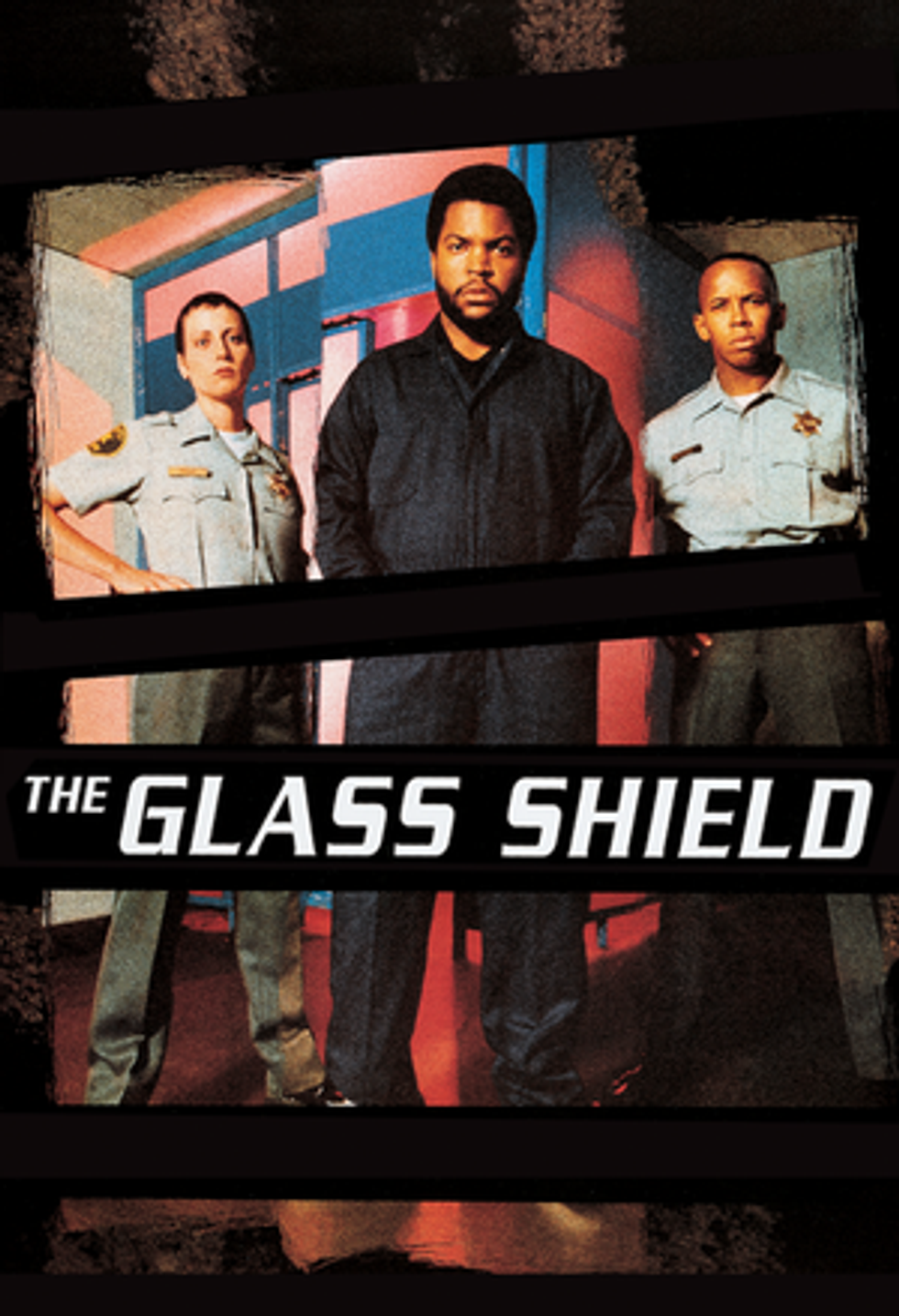
Throughout the country there are many different county officers and task forces that are to supposedly uphold the same task. For some deputies in this film their only task is to make arrest and match a face to unsolved crimes. Up to today there have been many people falsely convicted for things they did not do, well this is another one. In this film, a rookie cop, J.J, is the first and only black cop in his squad and tries to fit in with the task force. While adjusting, he ignores corruption and hints of racism, but after the arrest of a young black male, played by Ice Cube, there is a turn events. After the male is arrested without proper cause, he somehow comes to face a murder charge. The male possessed a firearm but J.J notices something is wrong. Some cops try to fit in and go along with bad ways that are already in place, which ultimately ruins the image of all officers. J.J risks not only his job, but his life to stop the corruption.
- Training Day (2001)


There are philosophers that believe that “one cannot understand, what one is not”, in this film it was said “to catch a wolf you have to be a wolf”. Some would say it is crazy that we can be “protected” by those we fear. Some offices use their badge to assure their own safety and survival at the expense of justice and public safety. In this film, a veteran narcotics officer, played by Denzel Washington, shows a rookie that hopes to one day make detective the ropes. The veteran not only ignores the law, but also puts the rookie’s life in harm to assure his own survival and to get the job done. His badge makes him the law in his own eyes until he eventually is brought down a notch.
- American Gangster (2007)


The police are to protect and serve the people, but there are others they will for a price. This is another film that stars Denzel Washington as he plays the American heroin dealer, Frank Lucas. Lucas has many Harlem and New Jersey officers on his payroll while he smuggles thousands of kilos of heroin into the U.S. During the late 1960’s, and early 1970’s, Lucas cut out the middlemen, traded, and bought heroin from within the Golden Triangle straight from the source. He smuggles his drugs into the U.S using te coffins of dead American servicemen in the underneath pallets. His trafficking and connections made him notorious, but also available after giving evidence leading to more than 100 further drug-related convictions.