

There is nothing I look forward to more than the Olympics. It’s an exciting event for a multitude of reasons; the world gets together and celebrates the talents of varying countries, cultures connect and we get to see some scary impressive athletic achievements.
One of the most interesting aspects of the Olympics perhaps is seeing how the host city runs the programming. Their themes are always representative of the country’s culture and the host city always showcases their best and brightest talents.
But even with the unique aspects of the host city’s programming, there are always challenges to be faced. In 2008, Beijing faced poor air quality, and in 2010, Vancouver struggled with a lack of snow for the winter.

In both cases, the countries did what they could to improve the conditions they were in. Beijing made efforts to improve their air pollution well before the Olympics even came to town, and Vancouver constantly monitored and worked the snow to improve skiing conditions.
But the 2016 Rio Games are only a short five months away, and the state of the Zika virus is nowhere near improving in Brazil. According to The New York Times, the number of people in Brazil who are reported to have the virus has reached 1.5 million.
The Zika virus, which the World Health Organization has declared a global health crisis, seems to be of no cause for concern to the United States Olympic Committee or any Olympic organizers for that matter.
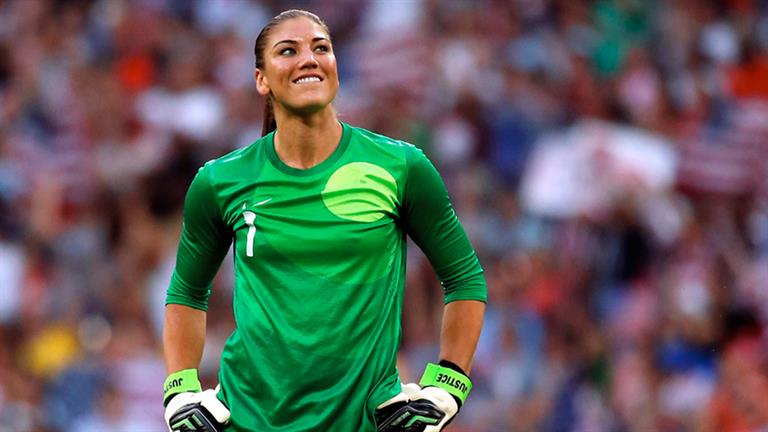
Few athletes are even choosing to speak up about the risks. Among the few who have spoken out about the Zika virus is the United States' goalkeeper Hope Solo. Solo has openly shared that she would consider skipping the Rio Games if her health is at risk.
The New York Times article reported that the Olympic committee has attempted to prepare for the games in a country stricken with a serious health crisis. The committee has created a medical advisory group and plans to provide athletes with bug spray and possibly spray uniforms with insecticide.
But even with their attempts to create a safe environment, the Olympic committee, athletes and staff do not seem phased by the risks that Zika presents.
Even Michael Phelps assured that he, his fiancée and his newborn son would all be attending the games.
It’s unclear what measures will be taken closer to the games, but it may take some serious backing from some more of the Rio Games’ biggest stars for the rest of the athletes to feel more cause for concern.