

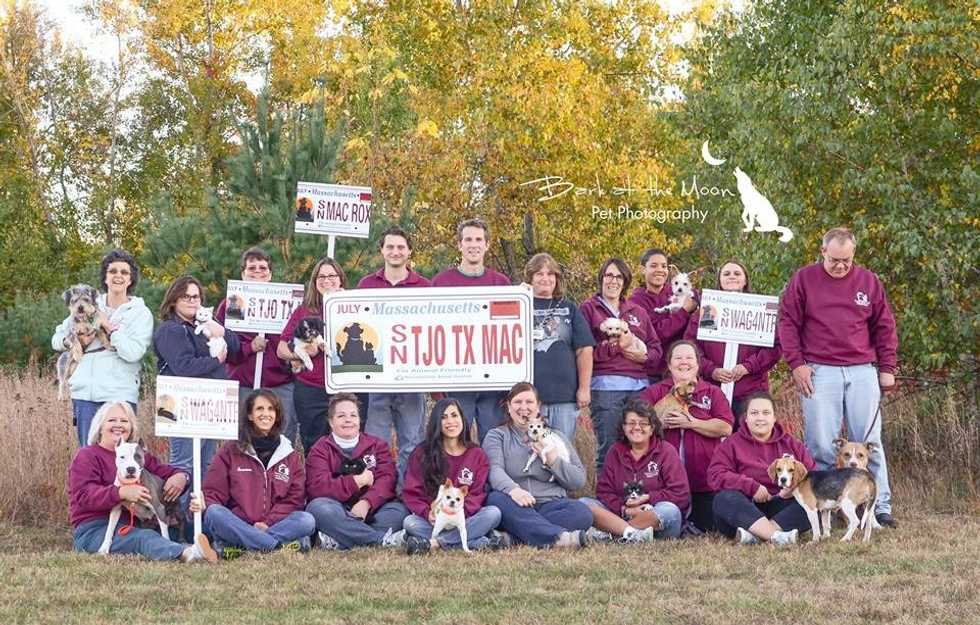
No matter where you live, there are homeless animals in your community. As an animal shelter volunteer, I constantly find myself being asked what others can do to help homeless animals, and I usually have a hard time coming up with just one idea because there are so many ways.
Whether you want to spend five minutes one time or five hours a week, or whether you want to spend $1,000 or no money at all, here are a list of ways you can help your local homeless animal population.
1. Do some research on animal safety
The first step to really helping your local animal population is making sure you are educated when it comes to animal safety. It’s not uncommon for people to be misinformed and actually hinder the very cause they are trying to advocate for. Whether it’s simply understanding what a healthy animal looks in contrast to a sick animal, or what to do when you encounter a loose or wild animal, you can really help everyone involved if you just understand basic information!
2. Find your local Animal Control’s information and trust the officers
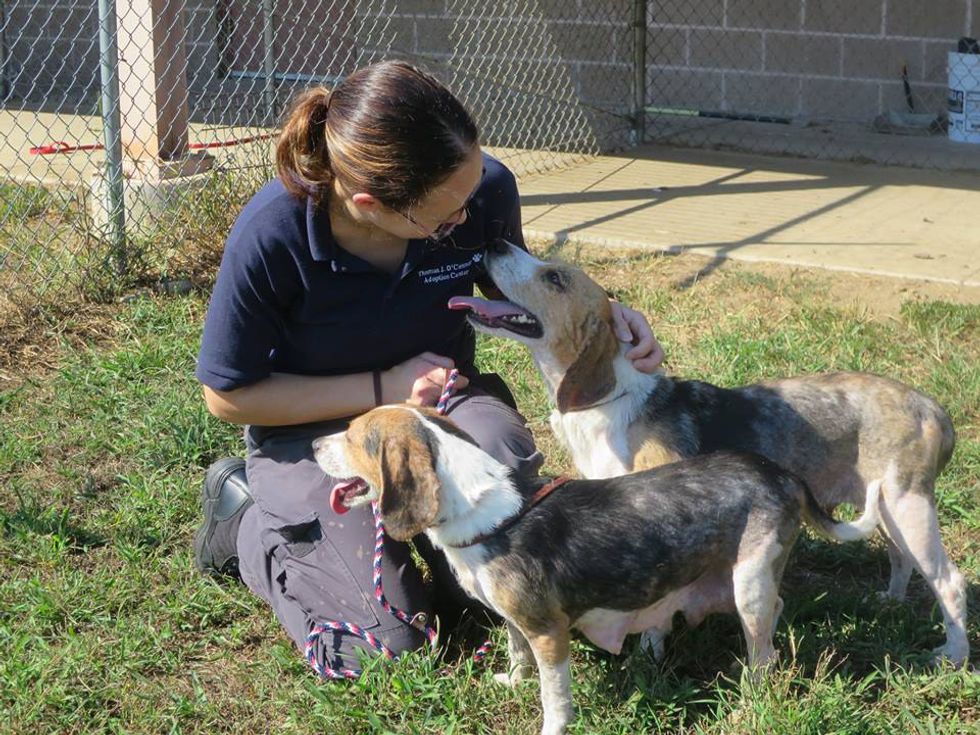
Forget all of those crazy stories you’ve heard about the animal control catching dogs to send them to the pound to be put to sleep. Animal Control officers are your friend! If you see a loose animal, never try to capture him or her yourself! Stray, lost and feral animals can be dangerous, and Animal Control officers are trained to handle them, and know what to do if something goes wrong.
3. Learn about your local animal shelters
You would be amazed how common it is for people to be completely misinformed about our shelter--we even have people who think that we kill animals just because we want to make room for new ones. Spreading false information causes people to become mistrusting of those that only want to help animals in need. We already have a hard time doing our job as it is, so making sure that you understand the truth helps us a bunch.
4. See if there are any local stores with donation programs
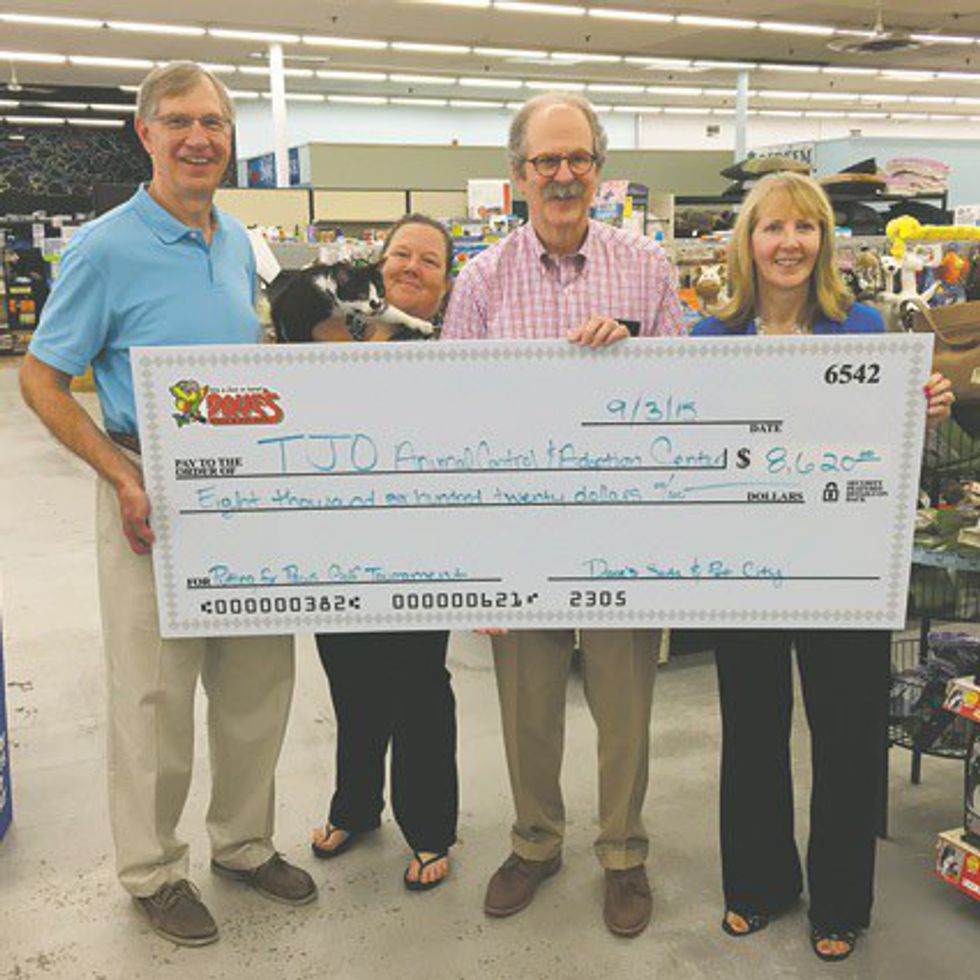
In Western Massachusetts, we have a local pet store called Dave’s Soda and Pet Food City, who has teamed up with a ton of local animal advocacy groups, adoption centers and humane societies among other groups to provide funds to them. Those who sign up for the program choose a group to which they’d like to donate five percent of their purchases. That’s only one example, too. Check out your local pet supplies stores, or even some bigger chain stores to see if they offer any donation programs!
5. Donate
When people ask me when kind of items they should donate to the shelter, I tell them that we have a use for almost anything they could think of to donate. There are always the obvious donation choices like money or basic pet supplies supplies, but those items are really only a fraction of the supplies that shelters typically ask for as donations.
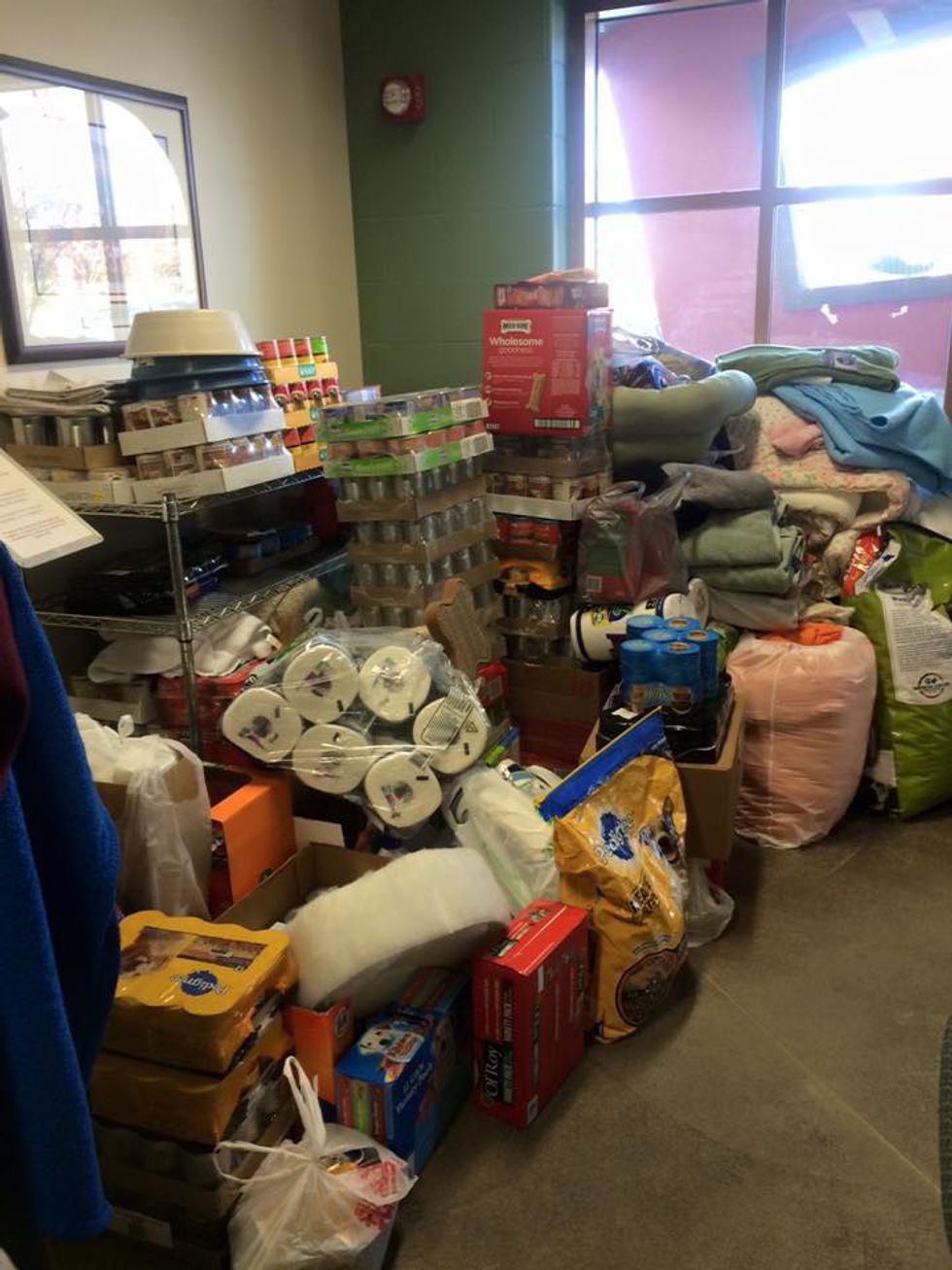
If you want more specific ideas, see if your local animal shelter has a wish list flier, a wish list on Amazon, or even social media pages for posts about needed supplies. Usually shelters will ask for items they need the most in these ways. Our shelter routinely needs supplies like peanut butter, towels, blankets, spray cheese, maple syrup, rubber gloves, bleach, and paper towels. Honestly, as long as it’s not trash, we can probably find a use for it! I mean, look at this pile!
6. Look into volunteer positions
The good shelters are always not for profit, and in order to keep the chaos under control, they need tons of volunteers. The shelter I volunteer for covers three large cities and has less than 20 paid employees working for them at any given time, so we rely heavily on volunteers to run the shelter alongside the staff members.
If you have a few hours every week to give to your local shelter, look into what kind of volunteer positions are available to you! Often times, you’ll be able to pick where you’d like to volunteer, so if you’re a cat person and you really want to help take care of cats there is a job for you. Or if you’d like to spend your early Saturday mornings walking dogs and just relaxing with them in the kennels, you can usually do that as well. Even if you just want to spend an hour a week organizing donations, everyone will thank you a million times for it.
7. Look into one-off volunteer opportunities
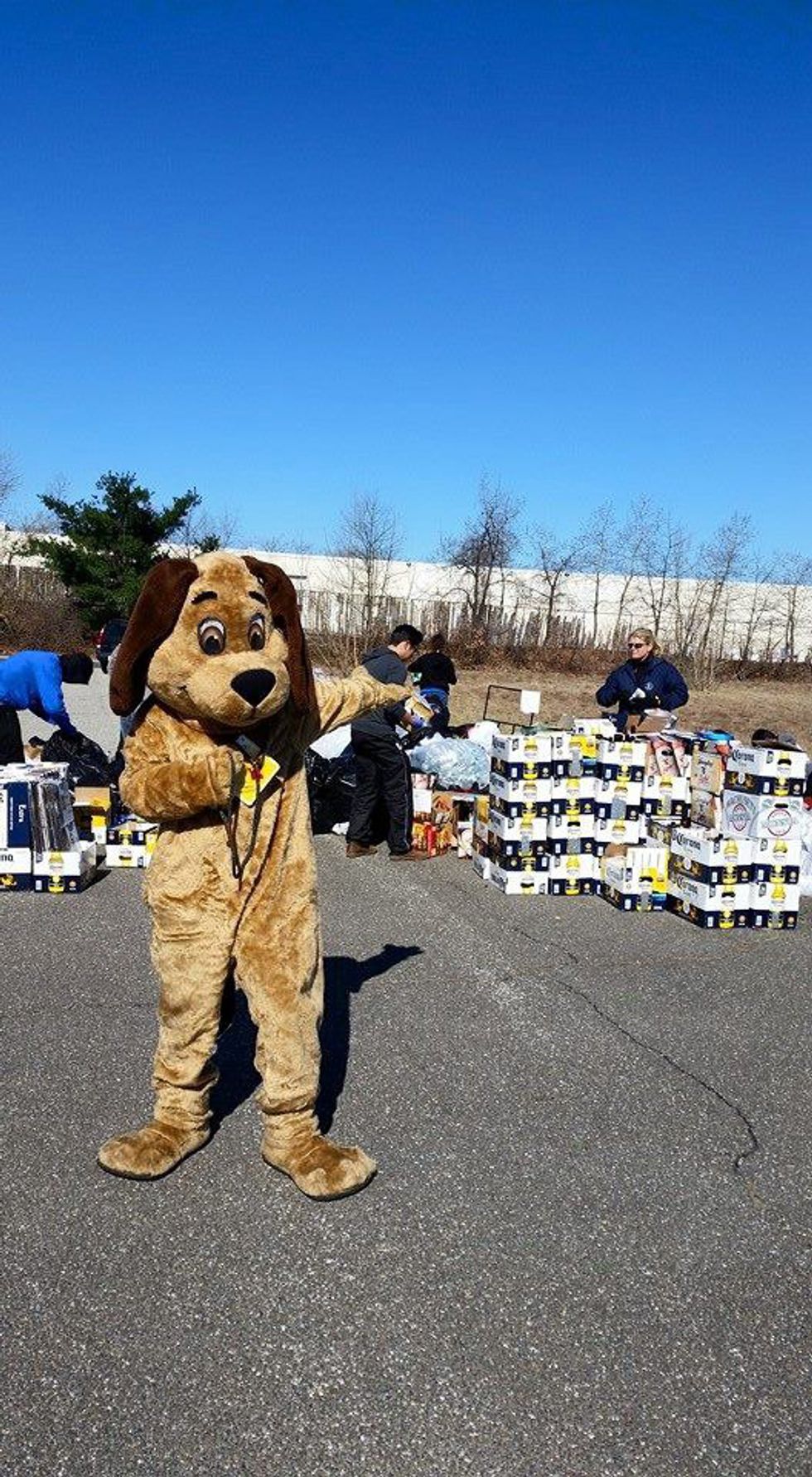
Not everyone wants to commit to a set number of hours to volunteer. Instead, we have tons of events throughout the year where we ask for extra volunteers to give us a helping hand, and we never ask these volunteers to commit to more than one day unless they choose to. If you’ve got a few free weekends coming up, see if your local animal shelter has any events coming up and contact them to see if they need an extra helping hand! Even if they don’t outwardly ask for help, it’s always welcome and you’ll meet a ton of friendly people.
8. Don’t support bad breeders and puppy mills!
Bad breeders and puppy mills are our worst enemy as animal advocates. While there are awesome breeders out there, it is important to differentiate between the good ones and the bad ones. If you are looking into a breeder, it is important to make sure they are registered or recognized breeders with any of several organizations (i.e. the American Kennel Club, or AKC).
Even worse, puppy mills are horrible breeding farms purely for profit. Those who run puppy mills don’t care about animal well being. Next time you see that cute puppy in the pet store window at the mall, remember the conditions he or she grew up in. It’s a devastating blow to animal welfare advocates, but this practice is slowly dying out and more and more cities are banning puppy mills and pet stores.
9. Start a donation drive at your school or place of work
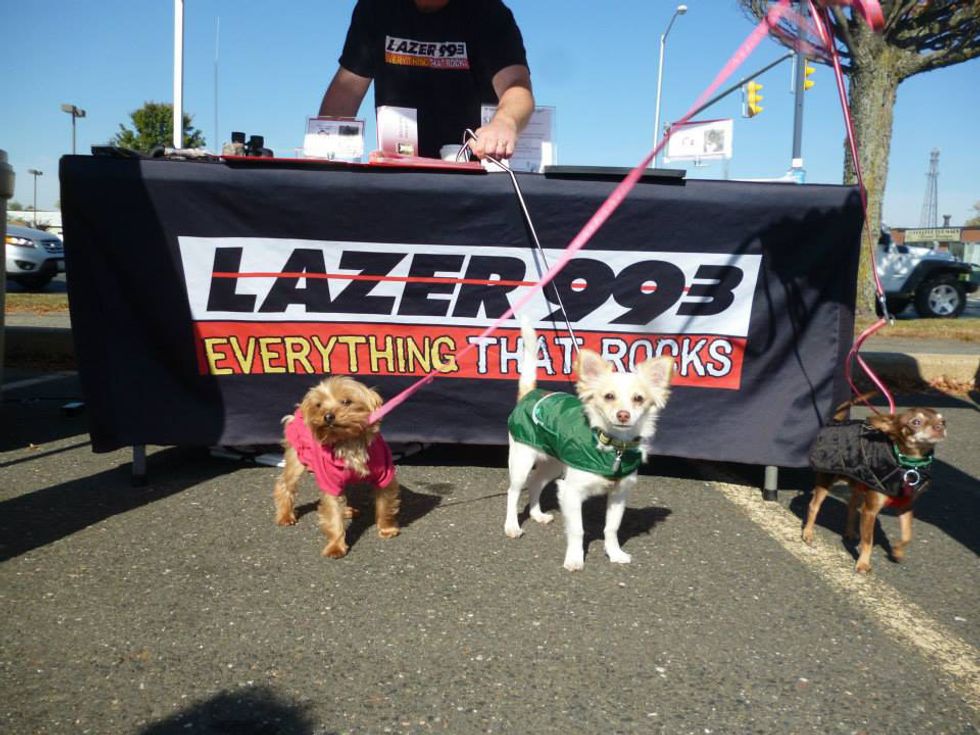
When everyone comes together, it’s amazing how much of an impact you can make. Every year our local radio station, Lazer 99.3, holds a donation drive in conjunction with a local hardware store, and the amount of donations we receive is outstanding. Even better is the numerous organizations, schools and workplaces that organize donations drives every year. Usually we see wish list donation drives, but sometimes we see creative ideas like dress down days, or wear your PJ’s to work/school days. My favorite donation drive idea I’ve run into has to be donation parties, where every year, a handful of kids decide to forgo birthday presents, and instead ask for donations to the shelter.
10. Educate others
Once you’ve done your part to help local animals, your job isn’t done! There will always be others out there who don’t know what they can do. Anything from correcting a friend who is misinformed, to encouraging your buddy to adopt a dog from the local shelter instead of spending $1,000 on a puppy from a breeder because shelter dogs are actually pretty awesome, educating others helps spread the awareness!
Helping homeless animals is so much easier than individuals in the community seem to think it is. If you do nothing more than help spread the awareness of the great deeds of Animal Control Officers, hold a donation party, or go door-to-door collecting a few dollars to donate, everyone involved thanks you. You don’t need to spend five hours a week cleaning pee-covered floors to make a difference. All you need to do is care.