
Stop me if you've heard this one before: someone—a friend, a family member, a stranger on the internet—makes a remark that rubs you the wrong way and you politely disagree with them, hoping to drop the issue there and move on with your respective lives. Instead, your comment sparks an entire debate that starts innocently and somehow turns fiercely political, and you're trapped in it whether you want to be or not. You argue your side with the best points you can think of, they argue theirs, and just when you think you've won the battle, they play what they assume is their trump card: "Yeah, well, I'm entitled to my opinion." As if that's all it takes to settle the matter; as if simply being able to have an opinion makes them right and you can't argue with them anymore.
The truth is that, yes, everyone is allowed to have their own opinions, but that does not make any one person's opinion more correct than another's, nor does it excuse opinions that degrade, oppress, or potentially harm other people.
Opinions by nature are neither right nor wrong. They are subjective statements and ideas, so naturally what one person finds right based on their own knowledge or moral grounds someone else might find wrong. In order for an opinion to have any strength behind it, at least for argument's sake, it has to be supported by facts that can actually be proven correct. Some opinions are better supported than others, and those with more support tend to be more believable. That doesn't mean they're guaranteed to change anyone's mind, but again, opinions are subjective. Some are so rock-solid that nothing can ever sway them, and that's fine. We're all entitled to our own opinions, after all, and not everyone is going to be on our side.
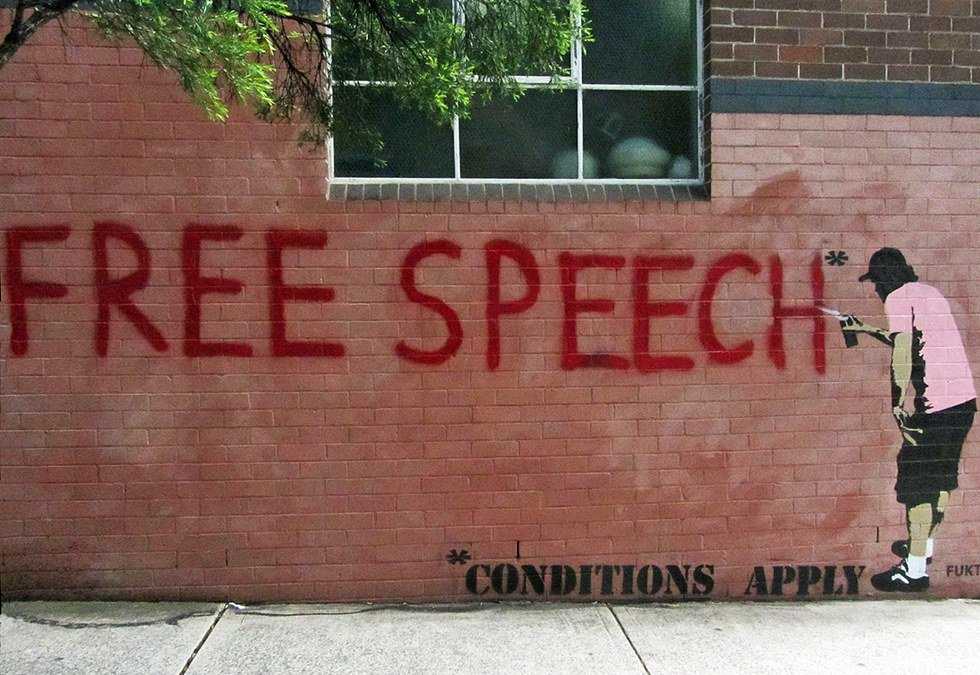
As a country, we're quite fond of boasting our right to freedom of speech. It's a luxury that not everyone in the world has, and it's what allows us to have and share our individual opinions in the first place. What we don't always seem to realize is that just because we are free to speak our minds doesn't mean we should. Words have an impact, and if the words we have to say may hurt someone else, then perhaps it's better to keep those kinds of opinions to ourselves. That might sound juvenile, but spreading negative opinions does wound others, even if we don't suffer visible consequences from them.
Hate speech is one big umbrella category that applies here. I've lost count of how many times I've seen a racist or sexist or homophobic comment online that the original poster defends by simply shouting, "Freedom of speech!" into the internet void. Yes, everyone in the United States is free to say what they want, but even racism or sexism or homophobia is an opinion. Claiming you're entitled to a hateful opinion does not make it right, nor does it make it any less degrading to whatever group you're targeting. Whom does it benefit, really, when you make a post online complaining about how much you hate gays or African Americans? What are you trying to prove by belittling others? And if someone else tries to argue against a hateful opinion, isn't it shutting down their right to free speech by shoving yours in their face?
Opinions cannot be divided into black and white. Some are more extreme than others, but all opinions are complex, and they all stem from the knowledge and experiences of individuals. You're welcome to your opinions, but remember, so is everyone else around you. Just because you may think you're right does not mean other people necessarily agree with you, and that is perfectly fine. Perhaps we should start celebrating our differences in opinion, rather than arguing about them. If nothing else, the world would be a much calmer place that way.