

"I do not choose to be a common man. It is my right to be uncommon. If I can seek opportunity, not security, I want to take the calculated risk to dream and build, to fail and to succeed. I refuse to barter incentive for dole. I prefer the challenges of life to guaranteed security, the thrill of fulfillment to the stale calm of utopia." The South Carolina Republican Creed exemplifies in every possible way, why I have chosen to be a young Republican.
Growing up, I always had a strong sense of self, family and tradition. My parents raised me to formulate opinions based off of fact; not on general stereotypes or what some others in society may say is the "correct" way to think. Some powerful voices in the media constantly remind young voters in this country that Republicans are just single-minded, racist or ignorant.
But leaders in both major parties have disappointed us. Scandals in state, federal and local government are more and more commonplace. Voters have grown disillusioned with the typical campaign rhetoric this year; they want change.
Being a young conservative in this environment may seem challenging, but this is when it counts most. With the Presidential election this November, there are many opportunities for young people to get involved and learn about the candidates. Some of my friends have used this opportunity to learn more about the Libertarian and Green parties as well. Due to the extremes of the far left and far right, they believe a third-party choice is the way to go.
As young Americans, it is our duty to step up and change the perception that we don't care about policy and politics. A wise man once said "Perception is reality," and if we want to see change in 2016, we have to raise our collective generational profile.
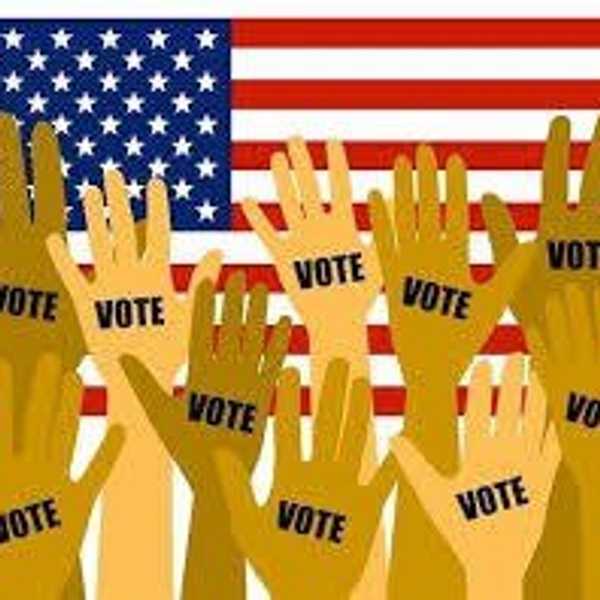
This year in South Carolina, turnout for the Republican and Democrat primaries was an average of about 19 percent. That means 81 percent of registered voters did not participate. For those voters who wait until the general election to vote, you have no one to blame for your limited choices in November. Voter apathy has become way too common in this generation. The concept of blame is used too often. Young voters must become responsible and uphold their civic duty, amplifying their voices at the voting polls. There are 69.2 million eligible millennial voters (aged 18-35), compared to a close 69.7 million baby boomers (aged 52-70). Young voters have the ability to make a huge difference this coming November.
Think for a moment about the role you want our government to play in your life. Debt free tuition? Medical marijuana? Higher taxes? Free healthcare? More renewable energy? Smaller/bigger military? Ethics reform? Racial justice? Support for law enforcement?
What issues do you care about? The election is right around the corner. It is time for young voters to do the research, get involved, pick a side and let your voice be heard.