
It's been a hectic week for the UFC.
First were the four scheduled title fights in three events over three consecutive days, culminating in Saturday's UFC 200. There was the potential anti-doping violation by interim light heavyweight champ Jon Jones, derailing the UFC 200 main event grudge match against division ruler Daniel Cormier. Then there was the stacked UFC 200 card featuring the return of current WWE superstar Brock Lesnar to the Octagon, which could be argued to have overshadowed the rest of the event without Cormier-Jones (Cormier got bumped down the card to a non-title fight against a last-minute Anderson Silva).
Once the smoke seemed to finally clear on the UFC's busiest week, there was the sale of the promotion on Monday at a staggering $4 billion after months of rumors. To put things in perspective, $4 billion was what George Lucas made when he sold Lucasfilm and Star Wars to Disney.
What does this mean for the UFC, its fighters, and its fans, exactly?
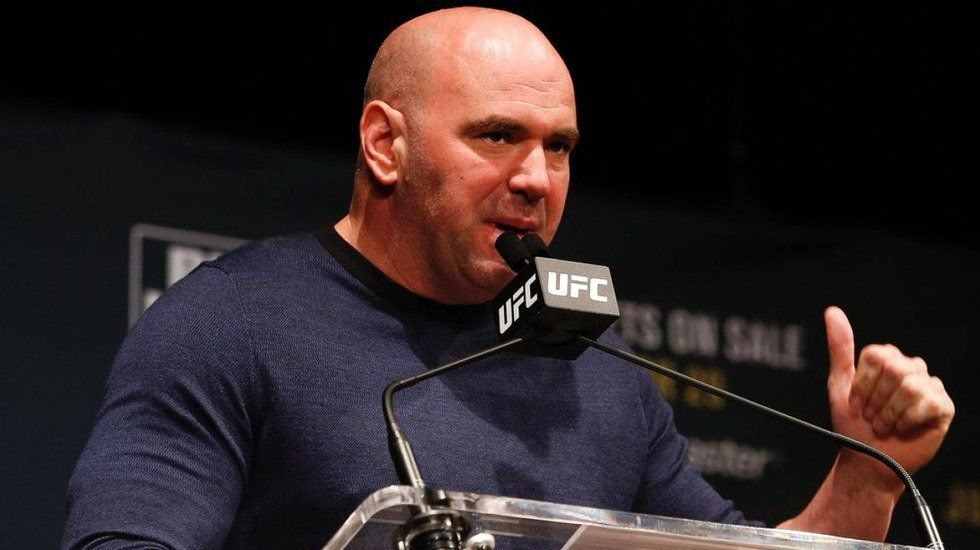
Well, on the surface, not much. Although Zuffa LLC heads Lorenzo and Frank Fertitta no longer retain majority ownership, UFC president Dana White remains at the top of the organization for the next five years. This is a smart move by the new owners as White is one of the main reasons the UFC became so valuable in the first place. The investment group, which includes talent agency WME-IMG, has no previous experience managing a sports league, so why not retain the services of one of the most successful businessmen in MMA history?
Along with White, UFC mainstays play-by-play commentator Mike Goldberg and ring announcer Bruce Buffer will be staying on with the company. It's different with Joe Rogan, Goldberg's color commentary partner. Rogan has stated that he will leave if the UFC is sold and his contract is up in August, but close relationships with White and Goldberg could sway that.
But what happens on the inside? Before the sale, the UFC was in the midst of a nasty antitrust lawsuit by former fighters Cung Le, Jon Fitch and Nate Quarry over low fighters' share of revenue. Litigation is now the new ownership's business, but that group has deeper pockets than Zuffa did, so out-of-court settlement and increased fighter pay could very well be in the works.
It also appears that there is a conflict of interest on WME-IMG's part. Among their represented talent is Ronda Rousey, considered by many to be the face of the UFC. However, ESPN's Darren Rovell tweeted that WME-IMG never negotiated Rousey's fighter salary, as they only represent her on the Hollywood front and do not handle sports contracts, so this is a non-issue. What is expected to come of WME-IMG's involvement is more exposure and marketing of the UFC and its fighters.
It appears that the financial gains are much higher for all involved while basic operations of the UFC are not expected to change much, so things may very well stay the same. If anything, we could see some surprises now that White, known for his vulgar thoughts regarding journalists and former fighters, answers to a larger group than Zuffa (with considerably larger pockets).