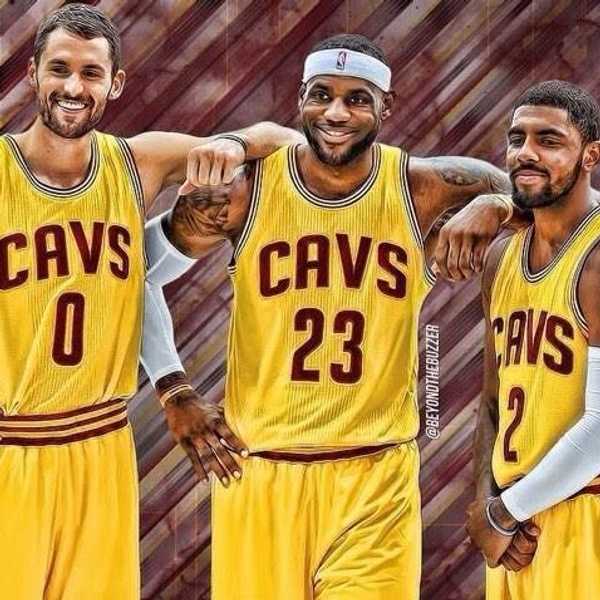
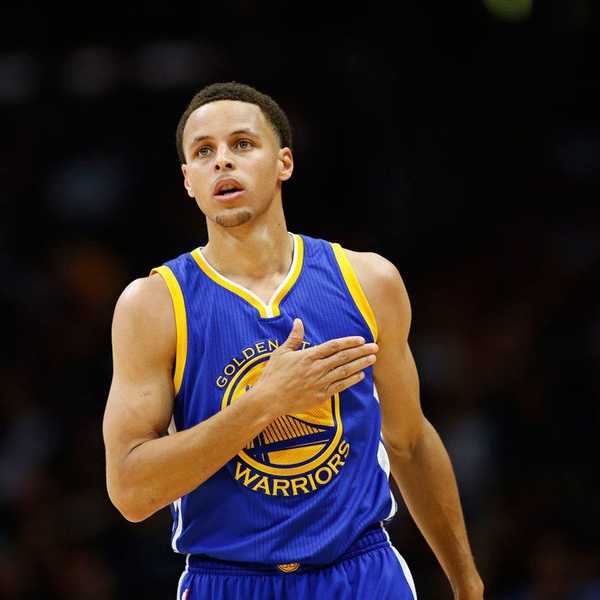

The latest and greatest debate of the sports world involves whether or not Lebron James, of the Cleveland Cavaliers, should have won the NBA's highest individual accolade this season. The Golden State Warriors' reigning MVP, Steph Curry, earned his second straight Most Valuable Player trophy earlier this week by unanimous decision and he did so by making quite a historic case. However, Lebron James continued to do it all for his team by leading them to the Eastern Conference Finals, James' sixth appearance in as many years. So who deserved it more? Taking a more in-depth look at both Curry and James' seasons and factoring in their team success gives us a better idea of what each player brings to their respective franchises. First up, Steph Curry.
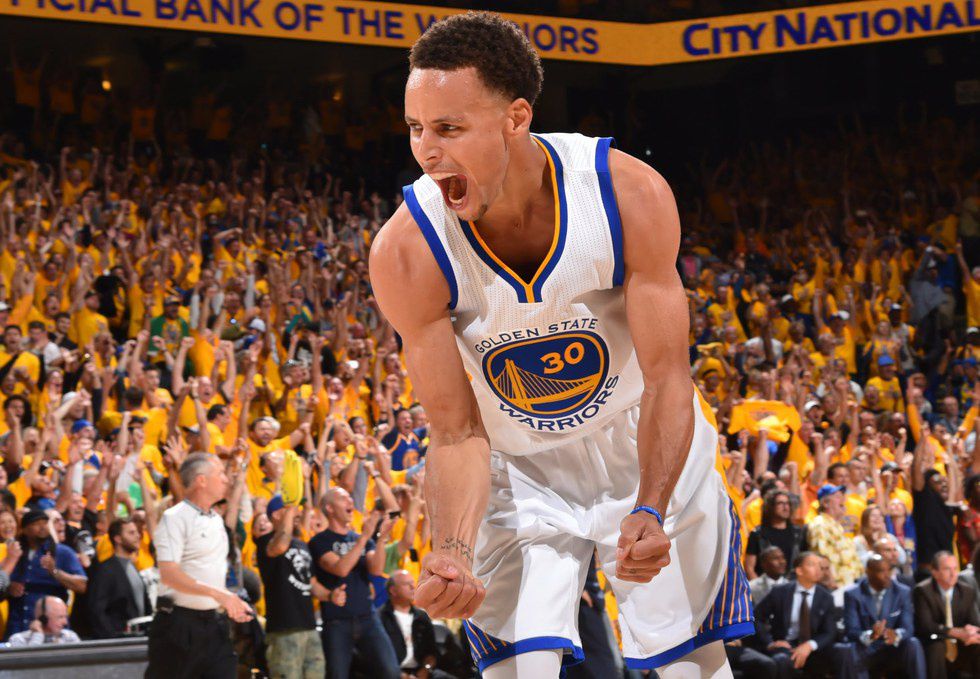
Curry averaged 30.1 points, 6.7 assists, 5.4 rebounds, and 2.1 steals in under 35 minutes per game while shooting 50% from the field. He led the league in scoring and steals, making him the first player to do so since Allen Iverson during the 2001-2002 NBA season. He also joined the highly exclusive "50-40-90" club, which was previously only reserved for the likes of Steve Nash. Curry even went as far as to top his own record for three-pointers made in a single season by hitting a staggering 402 makes from deep. Curry led his team to a record-breaking 73 wins, which is one more than Michael Jordan's '96 Bulls were able to achieve. Be on the lookout for some Curry 73-9 sneakers being released by Under Armour in the near future. In an unprecedented move, Curry, who happens to be the reigning champion and MVP, actually came back this season and got even better. In a cruel twist of fate, however, Curry went down with ankle and knee injuries in the early part of this year's first round of the playoffs, forcing his team to adjust on the fly and prove that their historic season wasn't just a product of their leader's transcendent play. Despite some growing pains, the Warriors are back in the Western Conference Finals and they've made their way there in convincing fashion, and largely without Curry's help. This has opened the discussion for some to wonder whether or not Curry truly is the most valuable player in the league, considering that his team barely missed a beat during his absence.
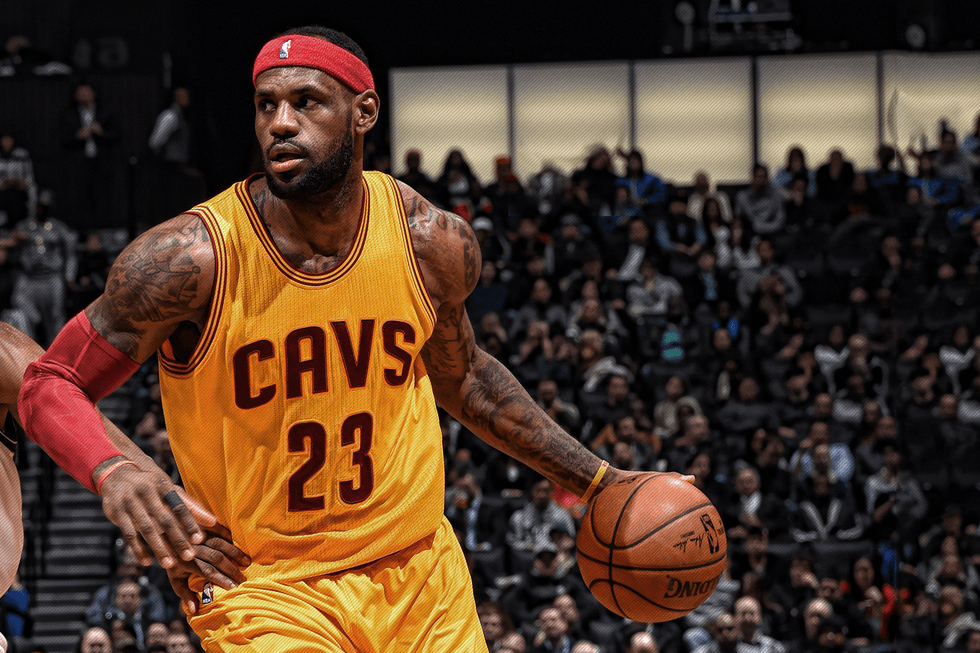
Lebron James has maintained his usual consistency and do-it-all nature for the Cavaliers, averaging 25.3 points, 6.8 assists, 7.4 rebounds, and 1.4 steals in just a hair above 35 minutes per game. James achieved these numbers while shooting 52 percent from the field and being the undisputed heart and soul of not only the franchise, but the entire city of Cleveland. When looking at defensive win shares, Curry and James are about even with Curry clocking in at just .01% more than James, who earned 4.0 defensive win shares this season. When looking strictly at the numbers, Curry matches or is slightly superior to James in nearly every category. Case closed, it would seem. That is, until you take a look at each teams' respective success when their star doesn't suit up.
As of February 29, the Cavs were a paltry 3-12 without Lebron on the floor since the beginning of last season when James returned from the Miami Heat. On the other hand, the Warriors, during this year's playoffs, have lost only twice through the first two rounds where Curry has sat out the majority of the time. This disparity may be attributed to various reasons, including the fact that the Warriors enjoy a chemistry unlike anything the basketball world has ever seen in the modern era. However, there's no denying the fact that when Lebron James is sitting on the sideline in civilian clothes, the Cavaliers look leaderless, rudderless and without direction. This has paved the way for a discussion that explores the dichotomy between what constitutes the best player in the league and what qualifies as commanding the most value. What's clear is this: Lebron James wields the absolute power to make or break Cleveland's hopes of winning its first championship in professional sports in 60 years, as well as its heart. If that isn't the definition of value, what is?