

All females old enough to shave look forward to No Shave November, the time of the year they can escape from their shaving responsibilities. Shaving your legs and underarms was not always an annoying tradition passed down from generation to generation, though. If you have ever wondered why social convention insists women shave, you can look to the Jazz Era and WWII for the answers.
Before the 1920's, shaving was not even a forethought for women. They had no need to shave parts that were not even visible–dresses had long sleeves and the hem was past the ankles. During the 1920’s, a new fashion statement was made: sleeveless dresses. Razor companies jumped at the opportunity to increase sale margins by depicting the models as sexy with shaved underarms. Women were given a clear message: if you want to be fashionable, you need to shave those underarms. So, began the trend of doing away with unsightly hair.
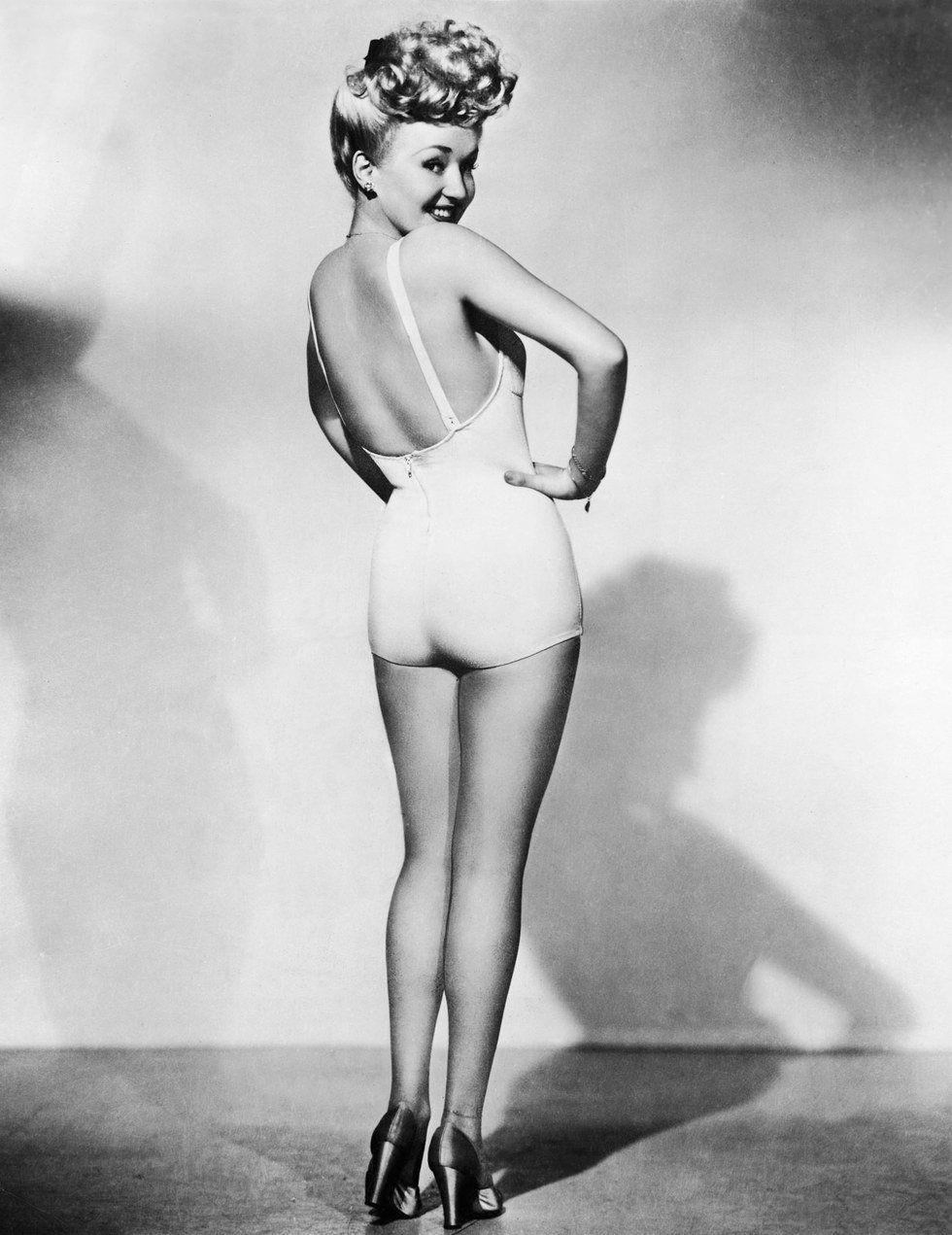
At the beginning of the 1940’s, another shaving trend began to seep into daily life in America as World War II hit. Enter Betty Grable, the most famous pin-up during the '40s and '50s. Betty sold over five million pictures in her iconic white bathing suit and heels to our men overseas missing a little more than mama’s cooking. Betty and other pin-ups, such as Bettie Page, made a hairless debut, including their legs--this struck up the opportunity razor companies were looking for. For decades dress hems were too long for them to successfully convince women they needed to shave their legs as well. But with beautiful Pin Ups posing in short shorts, skirts and bathing suits, the need to shave your legs to look sensual arrived.
The Jazz Era brought us many great things, swing, cool hair styles, great music and big parties. Unfortunately, it brought along the rather annoying trend of shaving with it, and although we held off shaving our legs for as long as possible, it was inevitable. A big sarcastic thank you to razor companies across America for making women spend about 58 days and $10,000 in their lifetime shaving just because you wanted more money; society will never be the same.