
Grasping the meaning of a novel is the ultimate purpose of reading for some people, while others decline and argue that art is to be enjoyed for its own sake. The infamous 'death of the author' movement has floated at the meeting of both tidal forces, claiming that context is unimportant and inconsequential. Yet, I will argue that The Great Gatsby, the legendary 1925 novel by F. Scott Fitzgerald, remains the ultimate challenge to that movement's victory. It is not only my favorite novel of all time, but I would agree with the historical consensus that it may be one of the finest works in American literature.
Yet The Great Gatsby is not, at first glance, a patriotic work. Set in the bustling and hectic Jazz Age, it focuses on the reconnection of two lost lovers - Jay Gatsby and Daisy Buchanan. The romance bears the sharp, awkward sting of realism - she is lost in a world of frantic frivolity as her husband openly ignores her for a mistress, while Gatsby has built his own life up from nothing in pursuit of his dream of reuniting with her. The story's narrator, Nick Carraway, offers commentary on their romance with equal parts bewilderment and pragmatism. The title of the novel evokes both the grandiosity and insincerity of Gatsby's act: His success, while real and immediate, is made farcical by its complete dedication to one unrealistic dream.
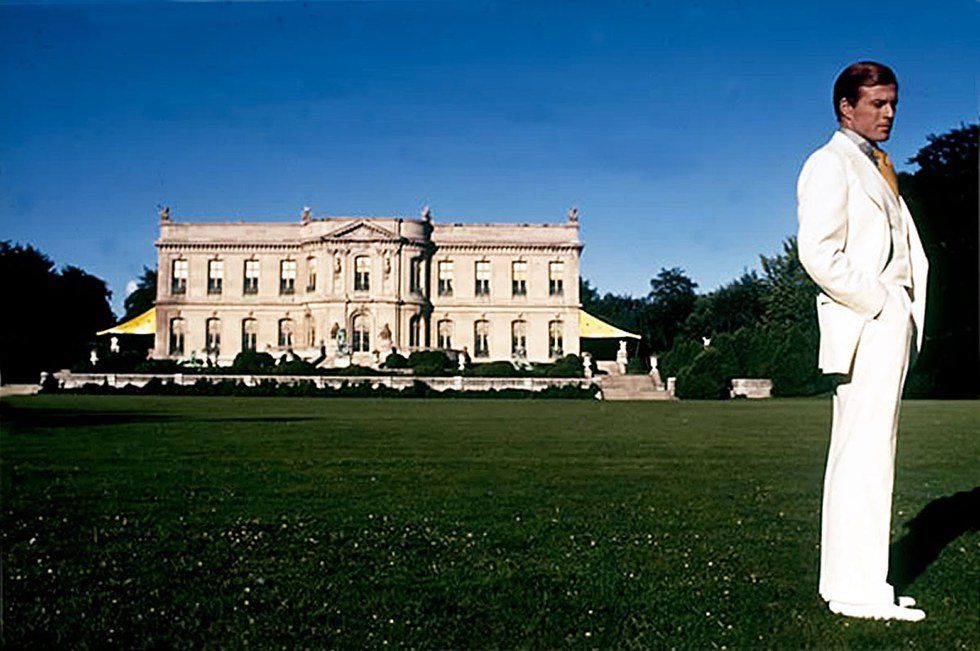
Again and again in the novel, Fitzgerald returns to the symbols of ruin. Gatsby extravagant mansion is divided from New York City by an industrial district filled with refuse, the much-analyzed 'valley of ashes'. At the first party Nick attends, a guest departs completely drunk and crashes his car just beyond the gate, only to look down at his own disaster in mild confusion. And, of course, there is the ultimate failure of Gatsby's charade to convince Daisy to abandon her husband and daughter for him.
I love this novel because it symbolizes the Jazz Age so perfectly, almost prophetically considering that everything came crashing down only four years after its release. However, The Great Gatsby is just as relevant today because it asks that we question the things we find most certain in our lives. How do our wasteful, destructive habits ruin those around us, and how deeply do we allow ourselves to be seduced by the dream of their comfortable perpetuity? The Great Gatsby is not a patriotic work, but it is nonetheless an American work - and I believe there is immense value in applying its lens to our own complicated lives.