
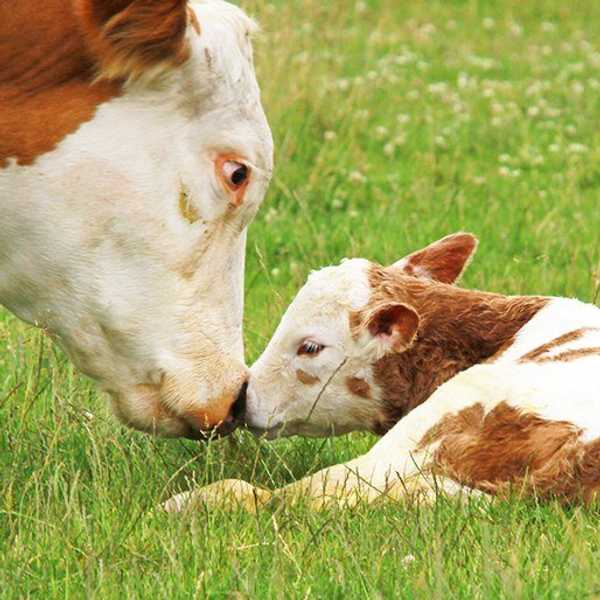
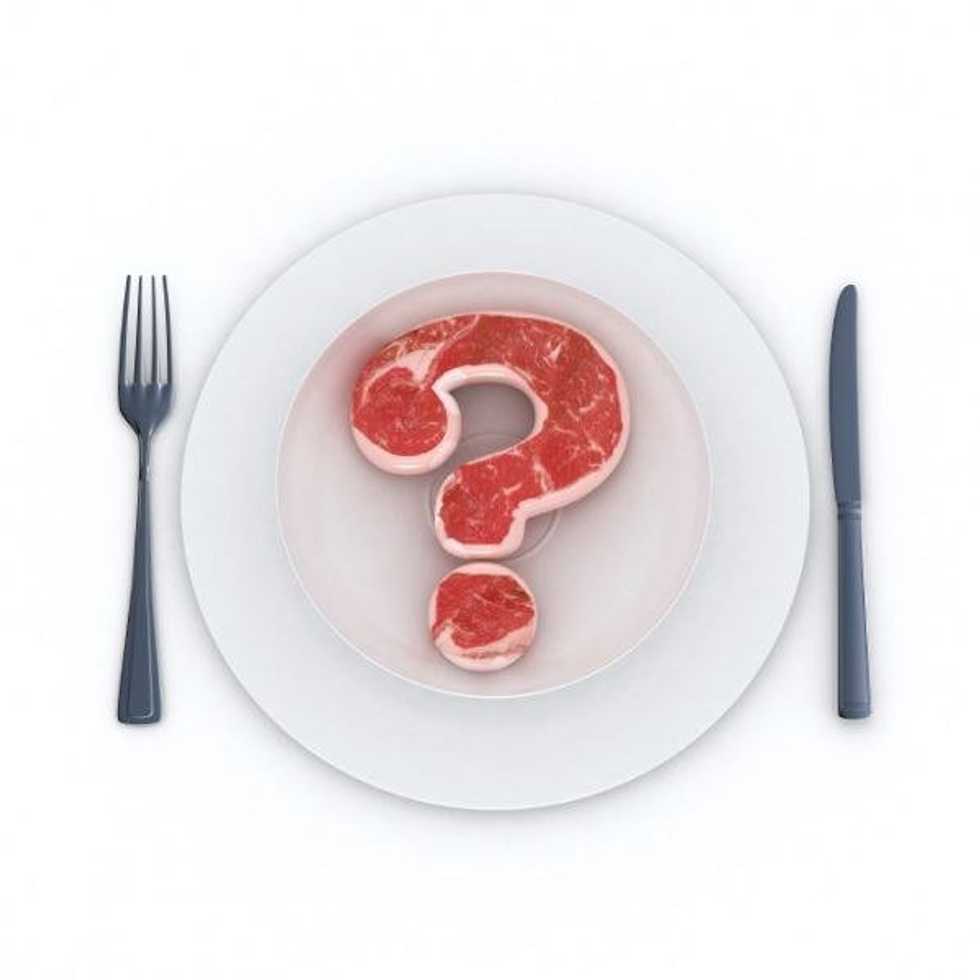
Have you ever wondered what exactly is in the steak on your dinner plate? Ever considered going vegetarian for even a short amount of time? Due to recent studies, more and more people are choosing vegetarianism every year, this article may be the push you need to live a healthier lifestyle.
While meat enthusiasts pride themselves on the fact that red meat contains loads of iron and protein, what they don’t mention is the health risks that accompany these entrées along on the way.
1. Vegetarians live longer than meat eaters.
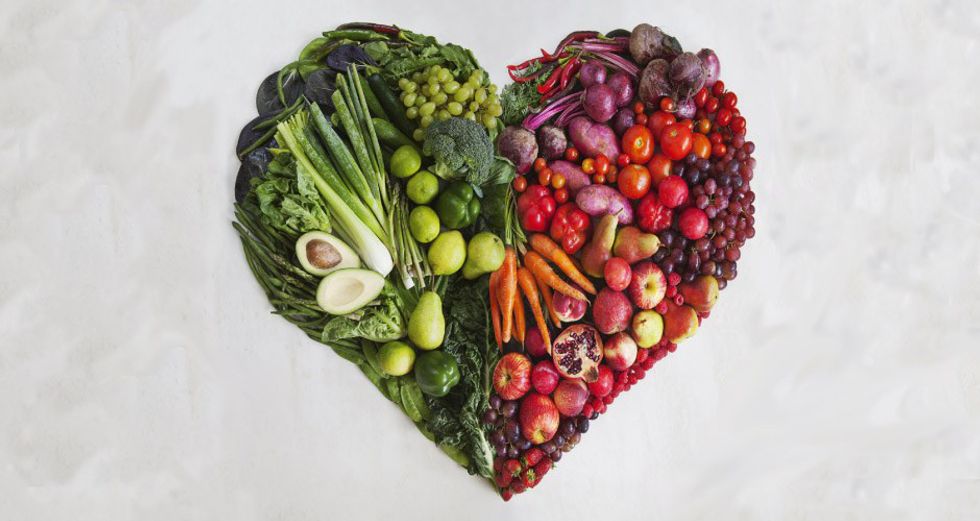
An association between the consumption of red meat and an increased risk of shortened lifespan was found in a study from the Harvard School of Public Health. The cause is not yet clear, but it may be due to preparation, as charring meat increases toxins (nitrosamines) that can lead to cancer of the stomach.
2. Red meat may increase alzheimer's disease

Due to the amount of iron contained in meat, according to a recent studying from UCLA, it is shown when eaten in excess, red meat raises levels of iron in the brain and increases the risk of developing Alzheimer's disease.
3. Eating red meat raises the risk of type 2 diabetes.

Eating red or processed meat can, over time, increase the risk of developing type 2 diabetes by 50 percent. And you thought the cake and ice-cream would be what got you.
4. Meat is pumped with harmful hormones.
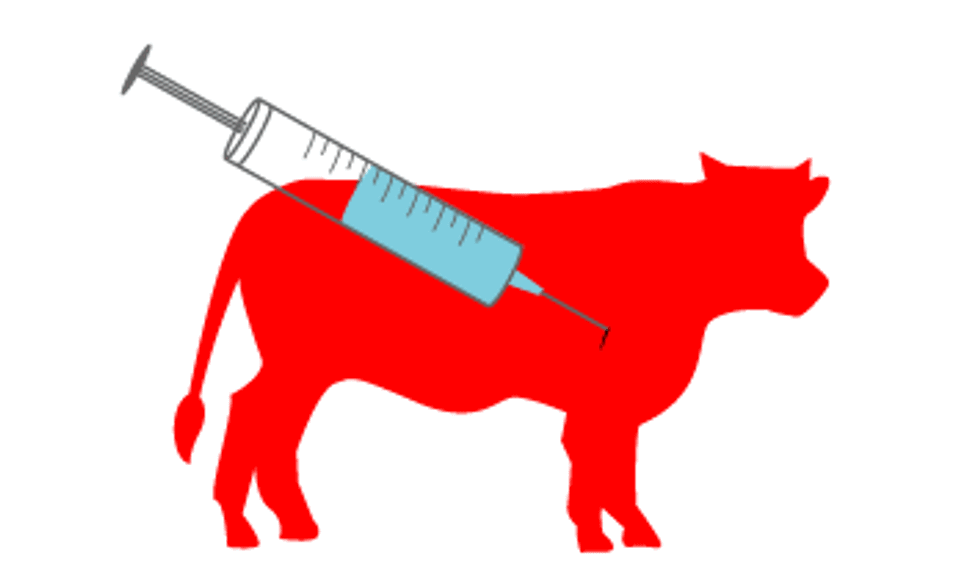
A large study of 90,000 women published in the "Archives of Internal Medicine," proved that women who ate more than one-and-a-half servings of red meat per day had nearly double the risk of developing hormone-sensitive breast cancer than women who ate three or fewer servings per week.
5. Meat contributes to cardiovascular disease.
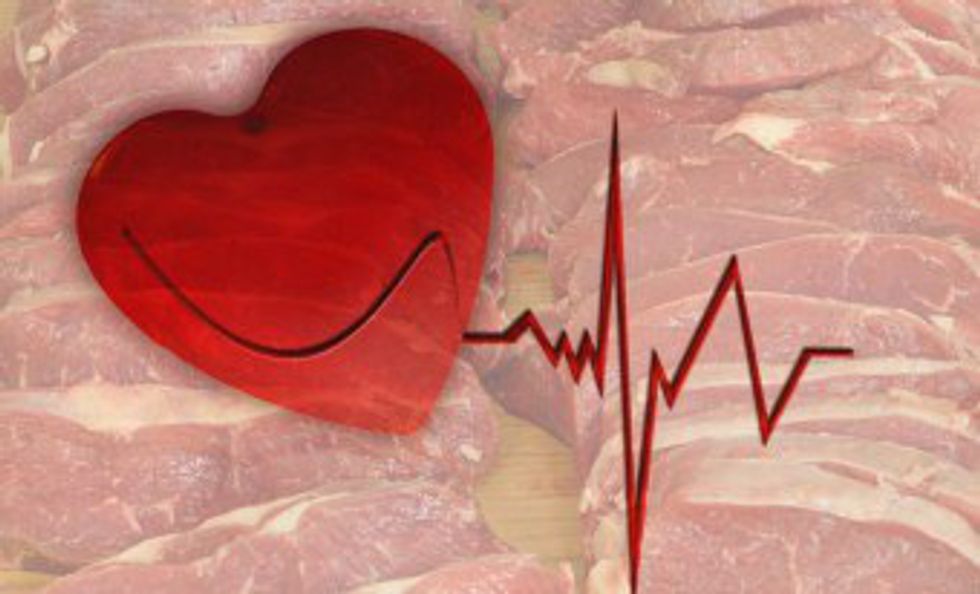
A compound found in red meat known as carnitine has been found to cause hardening or clogging of the arteries. A recent study published in the journal "Nature Medicine," suggests this link between red meat and disease derives from gut microbes breaking down carnitine, which converts to a heart-damaging compound (TMAO).
6. You're eating pink slime.
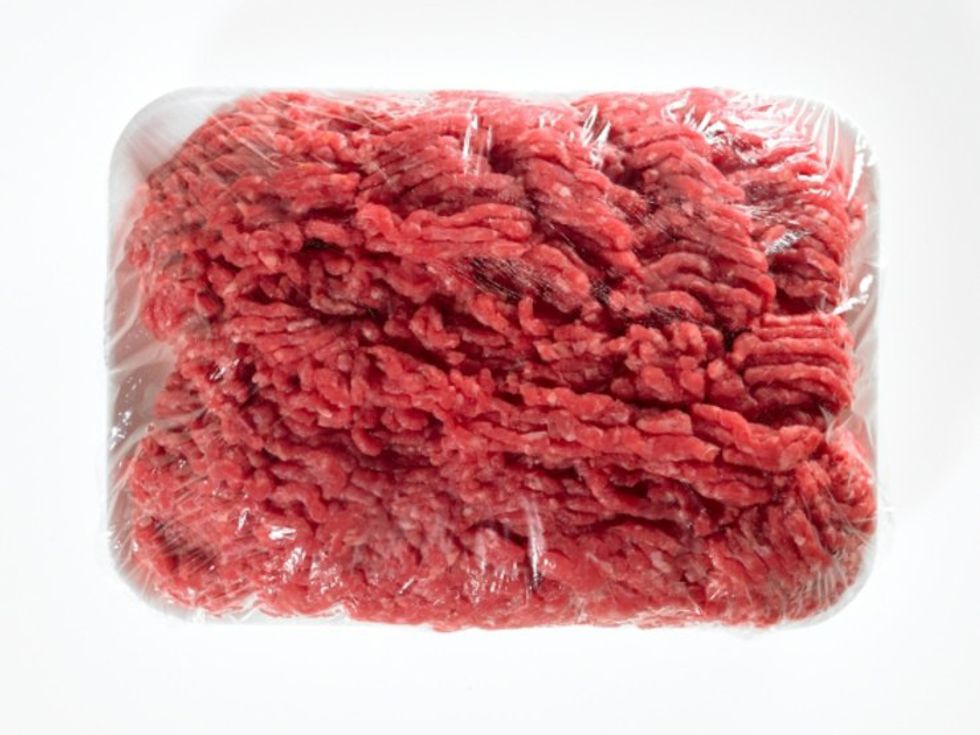
The meat industry calls it "lean finely textured beef," but the public knows it as pink slime. Seventy percent of supermarket ground beef contains this meat additive. Pink slime contains fatty bits of leftover meat that is treated with ammonia gas to kill bacteria, this treatment may allow pathogens into the food supply, of which raises the possibility of disease.
7. Livestock production impacts the planet immensely.
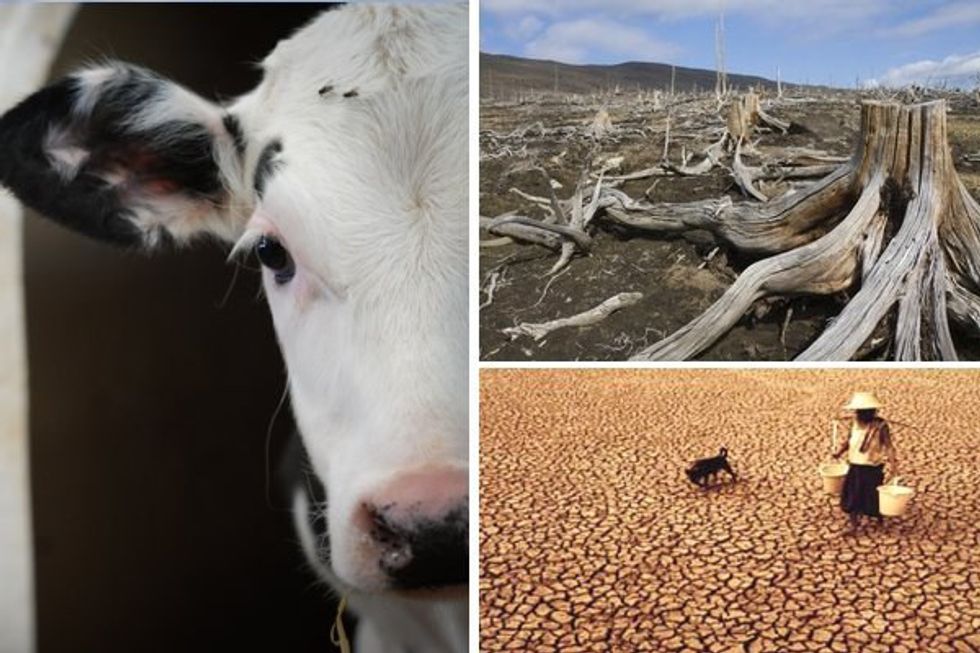
Pollution isn't the only thing greatly impacting the environment in a negative way, meat impacts the environment more than any other food we eat. This is mainly because livestock require much more land, food, water and energy than plants to grow and transport.
8. The animal cruelty factor
is off the charts.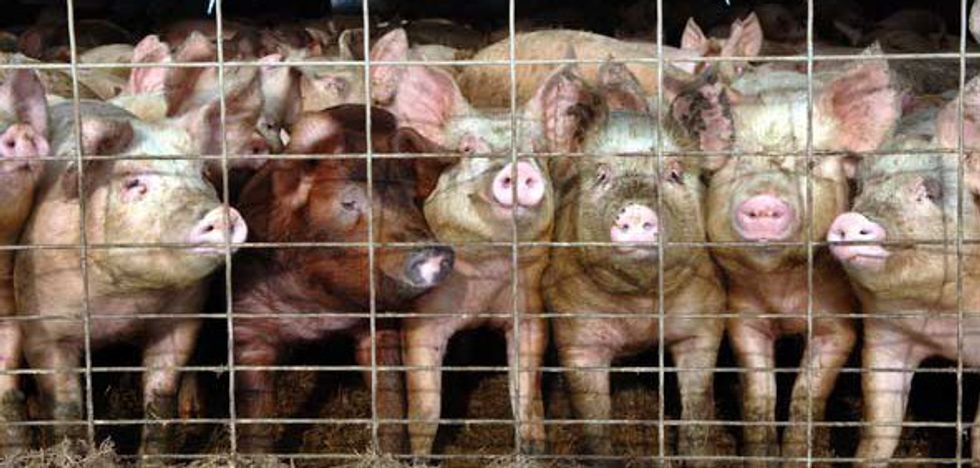
Animal cruelty is not just limited to domesticated pets. Paul McCartney stated, "If slaughterhouses had glass walls, everyone would be vegetarian." It is sometimes easy to forget the food on your plate was once a living creature. But it is important to remember that factory farming is by far the biggest cause of animal suffering in the world.