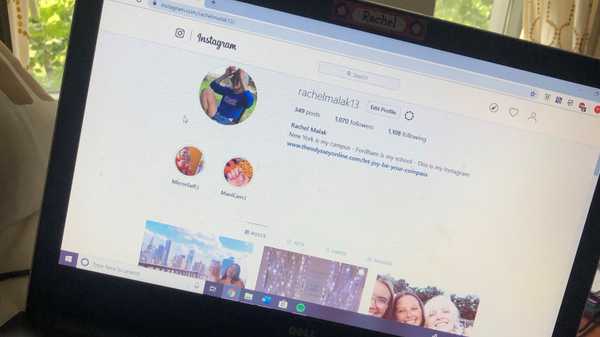

Do you have a Snapchat? How about an Instagram? Tumblr? Twitter? Vine? How often do you use them to shape who you are as a person? I hear a lot of complaints from older generations about how wrapped up in ourselves we millennials are, about our addictions to taking selfies and our compulsive attachment to our virtual lives. People use our dependence on the latest technology to create an image of a generation that is lacking in important communication skills because (in their mind) we don’t go out and talk to people. Others think we’re more focused on our self-image than what we actually contribute to society. What I don’t hear is talk about how much we use technology to help support others along with ourselves. From content that you like, follow, and reblog to ideas and pictures of yourself that you put out for the rest of the world to see: every action helps generate your own identity as well as help others find theirs. If you have a camera (or any variety of smartphone) and internet, you have a voice: a loud voice.
I can see where others might be coming from, though. I’m never not checking my phone for texts or calls. I spend more time on Facebook than is strictly healthy. I appreciate a good selfie like anyone else. But to call millennials a self-centered generation just seems straight-up wrong. I think millennials are all about the ‘we’; we’re all about connecting with others, and staying connected.
As technology develops and grows, media become more individualized and personal. It’s still a stretch to say that anyone can grab a camera and make a film, or sit down at a computer and develop a bestselling game, but the tools to do these things become more and more accessible every year. The power is in our hands. The final word on what goes out to the world wasn’t always up to us. Large companies decided what was put out based on how well it could sell. Now we have blogs. Think about that: we have blogs now. A space set aside on the Internet where we can talk about whatever we want. And people will read it, because it’s easy and because it’s free. And a lot can grow out of that. Making videos on YouTube is now a viable career path, if you’re willing to put the work into it. And it’s like that because we as millennials lend our voice and support.
And our attachment to our phones and social media isn’t just important in today’s job market, either: it’s practically vital. We can shape the way our employers view us before even meeting them now more than ever before, through networks like LinkedIn and Facebook. They have more than just résumés to look at; they can connect more easily with references and view for themselves the professionalism we conduct ourselves with online. Even our personal lives are usually able to be seen with just a quick Google search of our name. Our social media presence can create an even bigger impact than our résumés. That’s a scary thought, but it’s kind of reassuring because it means the world is paying more attention than ever before.
Millennials have so much more power than many realize, and we’re using that power to support each other. We’re a group that invests serious energy into staying connected and building references and social links. So the next time you like a comment, or share a picture, or watch a YouTube video, think about how it’s a sign of support for another person.