
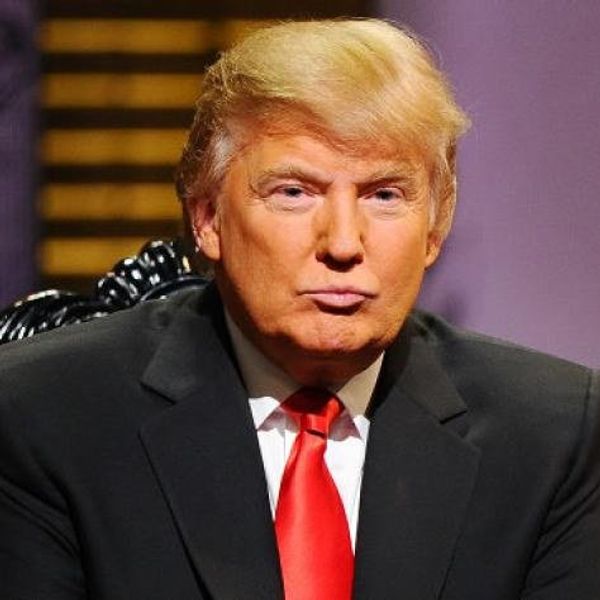
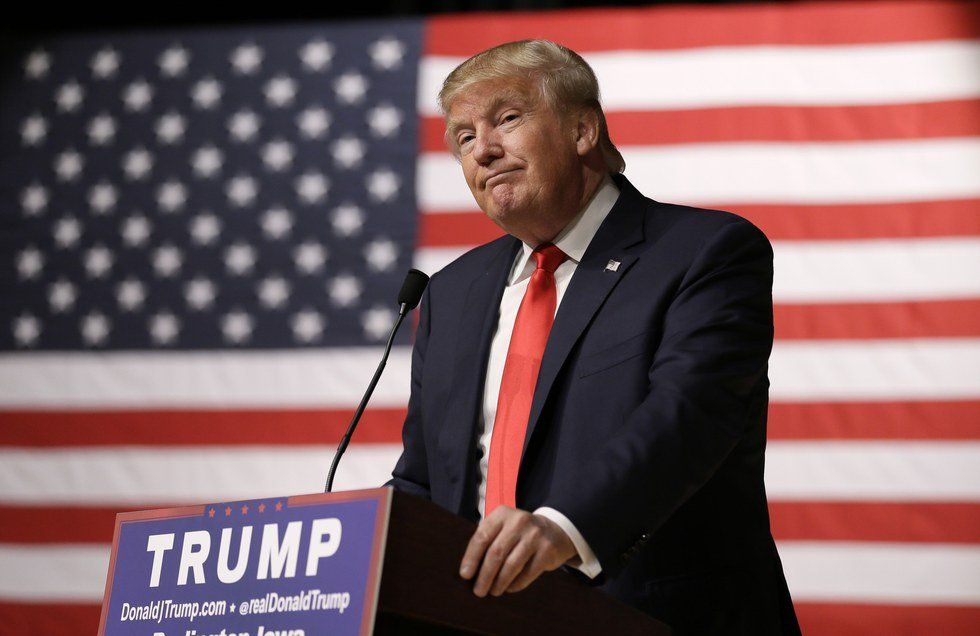
After the tragic nosedive once known as Ted Cruz’s campaign, there is no one else left to question Donald Trump’s position as the coveted GOP nominee. On the other side of the partisan picket fence, Hillary Clinton has much more politely overstepped Bernie Sanders as the obvious Democratic frontrunner to the chagrin of college students across the nation. Although Hillary was a safe bet for the Democratic nomination from the start, few took Trump seriously when he announced his candidacy in June 2015 while directly referring to Mexicans as “rapists” in his announcement address. It may seem like these bombastic comments make Trump unelectable next to the former secretary of state, but they are precisely why he will win in November.
To many, a Trump victory may seem impossible after members of his own party have refused to support his candidacy. Never before has a presidential candidate so openly attacked members of his own party with words like "pathetic," "choke artist," and "liar." These comments seem childish and unnecessary, but they are the linchpin to his campaign that no other candidate has been able to effectively respond to. These comments draw attention.
When Trump makes outlandish statements about making Mexico pay to build a wall or how much Marco Rubio sweats, he gets free and unmatched access to the media totaling in over $2 billion in free airtime thus far. He uses airtime to hammer his message into carefully calculated targets' heads, causing his stances to change like the wind. At a rally in November he was met with a standing ovation after loudly saying he "would bomb the sh*t out of 'em" in reference to ISIS, and keep in mind this happened when the Republican field had Bush, Cruz, Carson, and Rubio in the mix. Only a month ago he changed his stance when he said "the power of weaponry is the single biggest problem we have today in the world." This paradigm shift is targeted at moderates and is a sign that his plan to take down Hillary has begun.
The reason why Trump's flexibility in targeting works well is because it allows him to brand his opponents early on. This has been a particular problem for Hillary as Trump has already begun to harp on her undeniable insider status as first lady and secretary of state. In response to this accusation Hillary did not embrace her valuable resume; instead she paints herself as an outsider claiming her potential existence as the first woman president makes her anti-establishment, which not only puts her in a weaker position by denying her own credentials, but also makes no sense. On top of this, Hillary has continued to help Trump by making his name the first pop-up on her website and has featured him on her newest slogan, "Love Trump's hate." These tactics are feeding the free attention back to Trump and making the most memorable parts of her campaign about how much of a jerk he is.
This election year more than any other in recent memory is a game of identity over policy and image over action. The sad truth is the majority of voters are uninformed and highly perceptible to Trump's strategy. No die-hard, informed Hillary supporter is going to change their mind because Trump called her a crook, but carefully timed audience-specific rhetoric will sway a vote much more than a forgettable laundry list of policy goals.
No matter how well Trump is running his campaign, this is first and foremost a numbers game, and it is safe to say Trump is in dead heat with Hillary here. To win the election one candidate needs to secure 270 electoral votes. The Democratic nominee is almost guaranteed the safety of the blue wall (18 states that almost always vote Democrat totaling in 242 electoral votes), and the Republican nominee is granted the much smaller red wall (13 states totaling 102 votes). It may not seem like a fair fight for for Trump, but the brilliance of his strategy truly shines through in the smaller states and swing states of Florida, Pennsylvania, and Ohio where GOP voter turnout is already exceeding Democrats. On top of this, Trump currently has more votes than Romney did in all of 2012 and is well on his way to setting the GOP record for voter turnout.
The large population of Hispanics Trump stands to lose are centralized in California and Texas, two states firmly planted in the blue and red wall respectively. Even so, he has won the Hispanic vote in both Nevada and New York City while continuing to exceed popularity expectations with minorities. Trump supporters are far more diverse and eclectic than most people have rightfully expected, which will give him a large upper hand in battleground states.
Trump's bombastic, media-grabbing rhetoric and sniper-like precision in finding the right demographic are the two weapons that will open the gap between him and Hillary in the close swing states this upcoming election. The fight is on to convince clinch voters who they dislike the least. While Hillary grasps at thin air to stay relevant, Trump is taking the reins and bringing the battle to her. If you plan on leaving the country, I'd suggest you start packing now.

















