
The word feminism is typically defined as the social, political and economic equality of the sexes. The reason we call it feminism as opposed to “egalitarian” or “humanist” or “menin-ist” is basically because the word acknowledges the willingness to accept femininity (in both men and women) in a society based on masculinity.
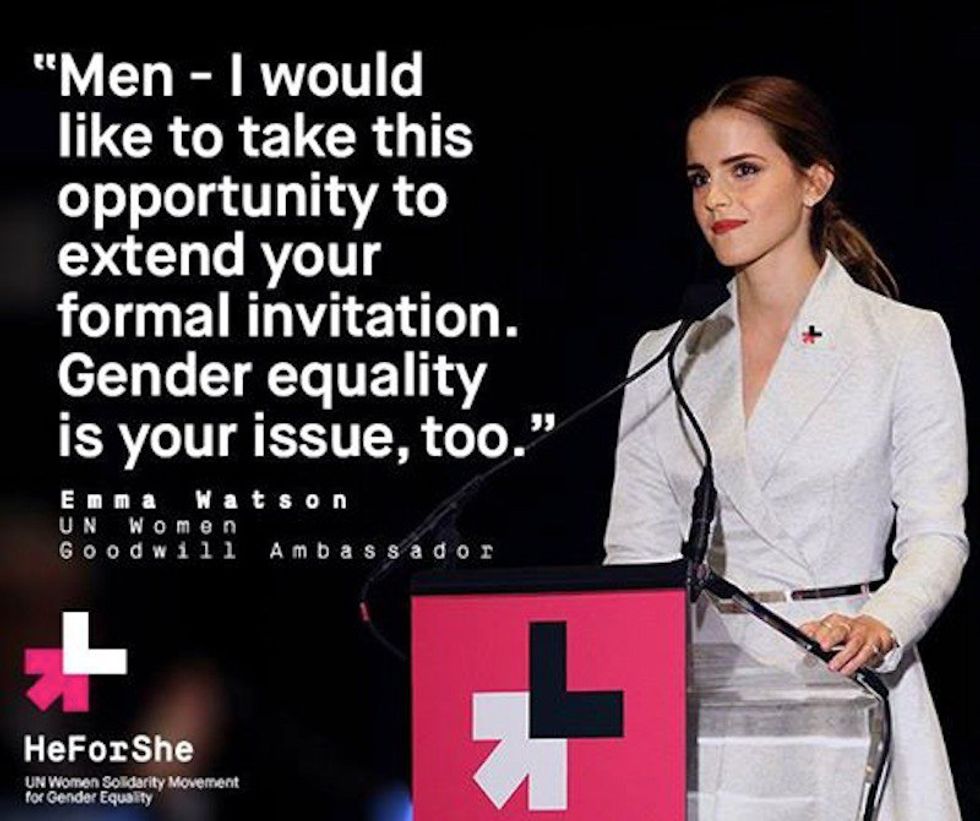
Men and women alike typically refuse to be referred to as feminists because there is this idea that feminism is this crazy, cult-like movement that aims to treat men the same way that men have been treating women since the dawn of time. Yes, some feminists are radical in their approach, but true feminism addresses issues from both genders, and doesn't demonize either gender. The honest goal of feminism is to promote the equality of the sexes. Because women are currently beneath men socially, politically and economically, the current, short-term goal is to raise them to male status.
Male feminists are often scoffed at for trying to appear more attractive to women, or bandwagon onto an issue that seemingly doesn't belong to them. But men: we need to start talking about this! Feminism is truly an issue that affects us all. There is nothing wrong in promoting the rights of others. Start looking at the woman in society as humans and you will see that they deserve the same rights as anyone else. Stop characterizing the whole feminist movement by the actions of the "men-haters" or "extremists". As long as you acknowledge that your mother, sister, friend, girlfriend, etc. deserves rights, you are a feminist.
Don't be afraid to speak up on issues pertaining to women's rights. Ask questions that you might think sound dumb. A true feminist won't be offended by a question. It is the best way to learn!
And current feminists: be willing to teach as opposed to scold. Remember that our culture contradicts most feminist ideals, so all lot of the things you may see as common sense might need to be explained to someone else. As long as a person is well-intentioned, be patient with them.
We need to stop being so defensive when discussing women’s or men’s issues. For example, we know that not all men are rapists, but that doesn’t mean we shouldn’t talk about the fact that one in three women experience sexual assault.
If you want feminists to address the issues that men deal with, that’s OK. True feminism should address these issues. However, we have to stop phrasing our concerns in an “us against them” fashion.
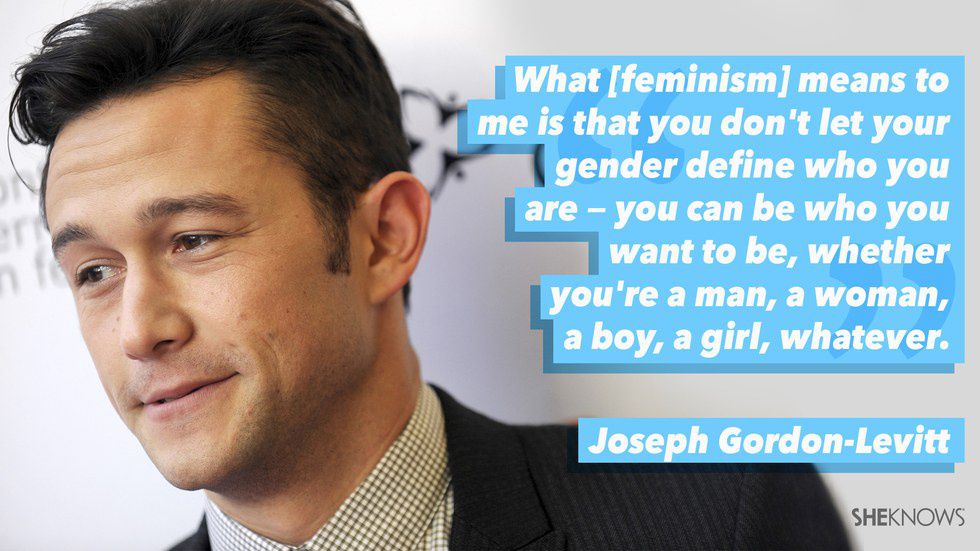
It is not men vs. women. It is not women vs. women. It is men AND women vs. oppression.
An important way to start becoming an advocate for both men and women is to realize that men are inherently privileged. This doesn’t mean that we haven’t experienced hardships and trauma, but it means that, generally, we are going to have some advantages and opportunities that women don’t. There is no country that will prohibit us from getting an education because of our gender. We can be less conscious about our outfit causing a “distraction” at school. We will appear to be a more capable candidate for a job than a woman with the same credentials. We will be paid more for doing the same job as a woman. We will pay less for hygiene products. No one will ever regulate what we can do with our sex organs. We are less likely to be characterized by our bodies. There are countless of things that women think about all the time and that men don’t have to think about. This is privilege.
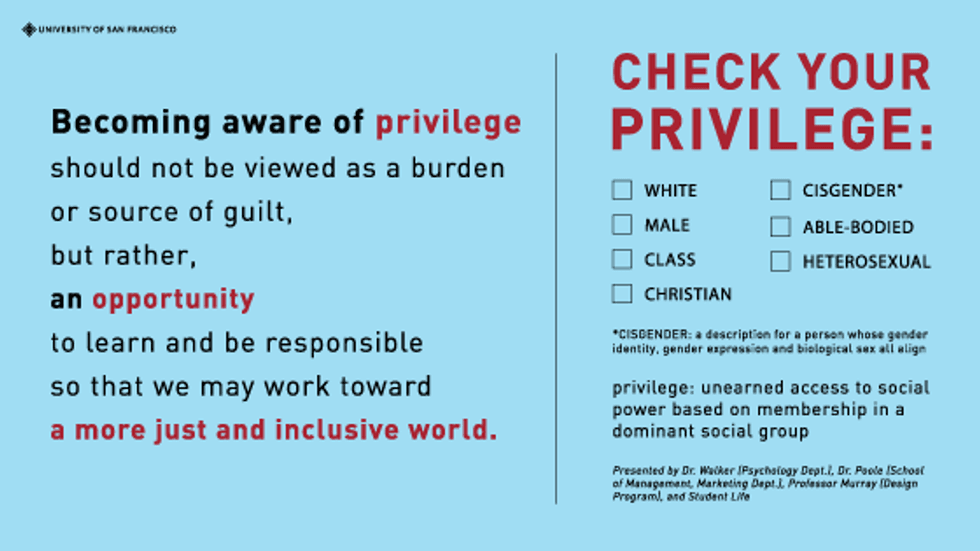
Despite the negative connotation, privilege is not that bad. It is unavoidable, but as long as you acknowledge it and don’t use it to disadvantage anyone else, and instead use it to help those who aren’t as privileged, it is OK.
So, don’t be afraid to call it feminism and call yourself a feminist. In a society where men are shamed for being “too feminine” and where women are regulated more than guns, calling yourself a feminist shows that you support a culture where being associated with a woman is not an insult and expressing emotion is not frowned upon. A culture where gender norms are not restricting us from being our true selves.
I think we will see progress when we can talk about one gender without feeling offended. When we stop using gender as an insult. When we can advocate for one group without oppressing another.