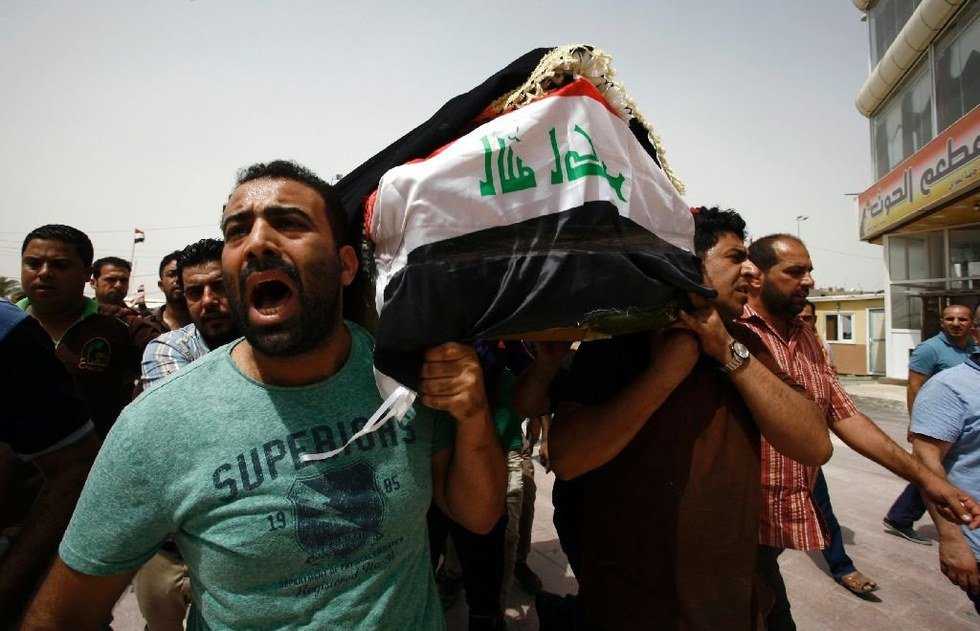
In recent days, jihadists killed 41 people in Istanbul's crowded airport, one of the world's busiest airports; 22 people at a cafe in Bangladesh and approximately 250 people celebrating the last remaining days of Ramadan in Baghdad, Reuters reported.Then followed by a bloody week of attacks where suicide bombings hit three cities in Saudi Arabia.
Where was the same global media attention that came after the same terrorist groups unleashed gun-fire and bombings in both Paris and Brussels? In a supposedly globalized world and ultimately connected world, do nonwhites, non-Christians and non-Westerners, count as being fully human?
This is not the first time that the West seems to have shrugged off massacres in predominantly Muslim countries. But the relative indifference after so many deaths caused by the very groups that have plagued the West is more than a matter of hurt feelings.
One of the primary goals of the Islamic State and other radical Islamist groups is to drive a wedge between Sunni Muslims and the wider world, to fuel alienation as a recruiting tool. And when that world appears to show less empathy for the victims of attacks in Muslim nations, who have borne the brunt of the Islamic State’s massacres and predatory rule, it seems to prove their point.
Where is #PrayForIraq and where are the Facebook status rants full of anger and frustration acknowledging the deaths of these innocent human beings?
The global mood increasingly feels like one of nativism and xenophobia, with Britain voting to leave the European Union through Brexit and many Americans supporting the nativist presidential campaign of Donald J. Trump, the presumptive republican nominee. Right-Wing Populism is a growing dominant voice not only in Europe but in America as well, and increasingly as refugees come pouring in from the Middle East and African countries abroad.
This violence occurring throughout the Middle East feeds a growing impulse among many in the West to fear Muslims and Arabs, which has already prompted a political crisis over immigration that, in turn, has ultimately fed extremists’ goals. Europe is shaking over a movement to reject refugees from Syria and Iraq, who are themselves mostly college educated, who have chosen or were forced to flee the violence caused by jihadists and their own governments.
It is in Syria and Iraq that the Islamic State has established its so-called caliphate, ruling overwhelmingly Muslim populations with the threat of gruesome violence. The group has killed Muslims in those countries by the thousands, by far the largest share of its victims. Sadly, we shrug our shoulders and accept this as commonplace.
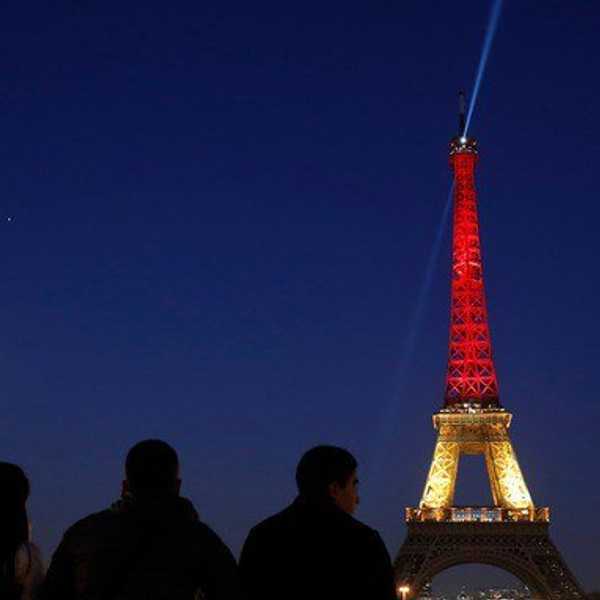
When Islamic State militants mowed down innocent people at a concert and cafe-goers in Paris in November, people across the world adorned public landmarks and their private Facebook pages with the French flag. Last year right after the Paris shootings occurred, I stumbled upon a better representation of the countries that are highly unrepresented on mainstream media outlets. What better way to say I care about the killings of innocent Muslims than a Facebook photo covered by 17 different flags!
But over the past week, Facebook activated its Safety Check feature, which allows people in the vicinity of a disaster to mark themselves safe, only after the attack on the Istanbul airport. However, where were the safety check features for the people in Baghdad and Bangladesh? I believe murder has become more normalized and commonplace for people who hear news on the Middle East in the west. How will we react when it becomes commonplace here? Let's just hope neither Donald Trump nor Hillary Clinton become president... oh wait, too late. Good Luck, America.