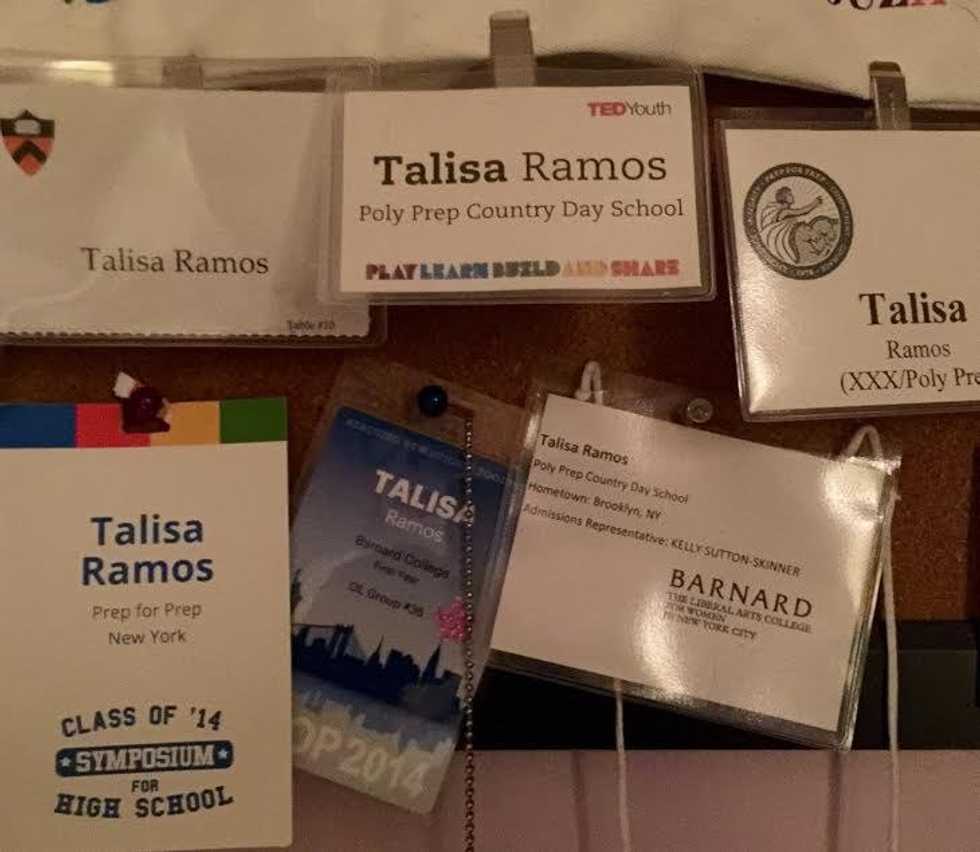
You have likely been there: your class randomly has a substitute teacher and everyone waits for them to mispronounce that classmate's names that no one ever gets on the first try. For as long as I can remember, I have been one of those students, expecting to perpetually find myself in situations where my first name would be mispronounced. I have faced this particular form of embarrassment since the age that I entered school and school-like environments, where the prospect of having your name called out loud is almost certainly a daily occurrence.
To be fair, reflecting on my earliest experiences of hearing my name fumbled over, I highly doubt that any teacher purposely aimed to ruin a five-year old's day by pronouncing their name phonetically; in fact, name mispronunciation is rarely the result of malicious intent. Rather, like the difficulty of learning a foreign language, in which new letter combinations and sounds have you blurting out phrases that leave you tongue-tied and sheepish, names are often mispronounced due to their novelty for that person or those persons. However, it is the notion that I possess a name that is associated with adjectives such as "foreign" and "novel" that is at the root of that sense of "otherness" that I struggled to understand and articulate as a child and young adult. Put simply, it stings when an aspect of my identity that is simultaneously so basic and yet so important is not being interpreted correctly.
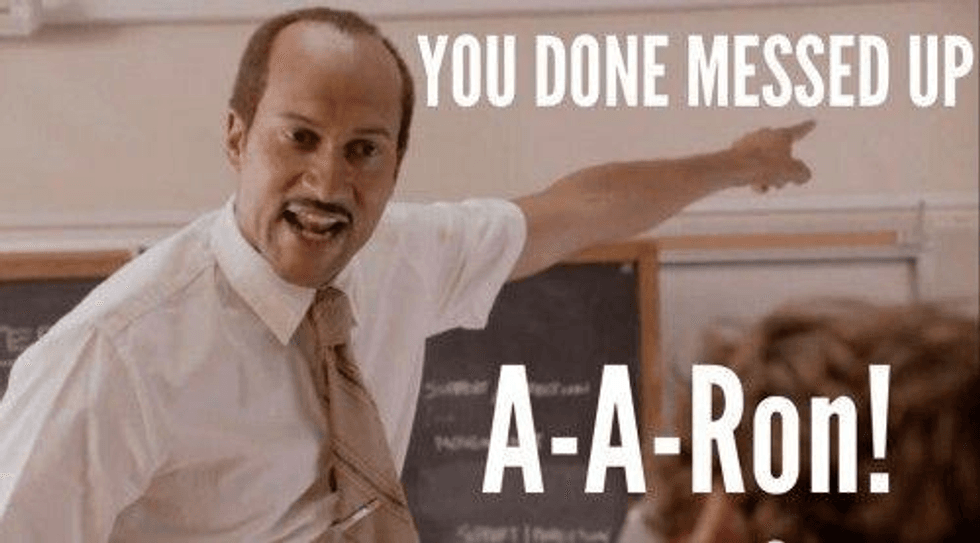
Another facet of the negative feelings that I associate with instances of being misnamed is the guilt that I inevitably feel, when I allow myself to value being polite and low maintenance (especially in classroom and workplace settings) above constantly correcting an individual who has not yet remembered the way that I pronounce my name. I let my freshman year of college be marred by the fact that I was enrolled in classes where I let the professor call me by the wrong name all semester, simply because it was easier than continuing to correct them after the seventh reminder. But as children's books and shows attempt to teach us from a young age, the easy road is almost always not the high road.
I suffered in those moments where I let myself be called something other than my name--I took a hit to my confidence in situations where I would have to hear my name said improperly, before I could share my thoughts. Moreover, it made me less likely to foster friendships with students in those classes simply because I didn't want to explain that I let myself go by the wrong name in class, but that this is my real name and what you should call me now that we're friends. Of course, people continue to learn progressively more about each other as relationships evolve, but struggling to articulate my actual name to someone hinders the chance to form a bond.
The popular contemporary poet Warsan Shire wrote, “Give your daughters difficult names. give your daughters names that command the full use of tongue. My name makes you want to tell me the truth. My name doesn’t allow me to trust anyone that cannot pronounce it right.” I do not feel quite as strongly about the implication of names and trust as Shire, but I completely understand the sentiment that preliminary details like names are the gateway to relationships,
and depth only develops after that beginning step.
The rising star of the breakout hit, "Orange is the New Black," Uzo Aduba, (a.k.a. "Crazy Eyes") recounted a childhood incident when asked why she chose to keep her birth name rather than adopt a simpler stage name: "'[I]n grade school, because my last name started with an A, I was the first in roll call, and nobody ever knew how to pronounce it. So I went home and asked my mother if I could be called Zoe. I remember she was cooking, and in her Nigerian accent she said, 'Why?' I said, 'Nobody can pronounce it.' Without missing a beat, she said, 'If they can learn to say Tchaikovsky and Michelangelo and Dostoyevsky, they can learn to say Uzoamaka.'" This quote is particularly important to the societal implications of name and identity; there is a big overlap between names that are mispronounced and names that have cultural, traditional, ancestral and other derivations. In a world that constantly challenges the right to unapologetically identify yourself, children with more uncommon names need to know that a name chosen for its cultural (or other) importance is just as valued as a typical name.
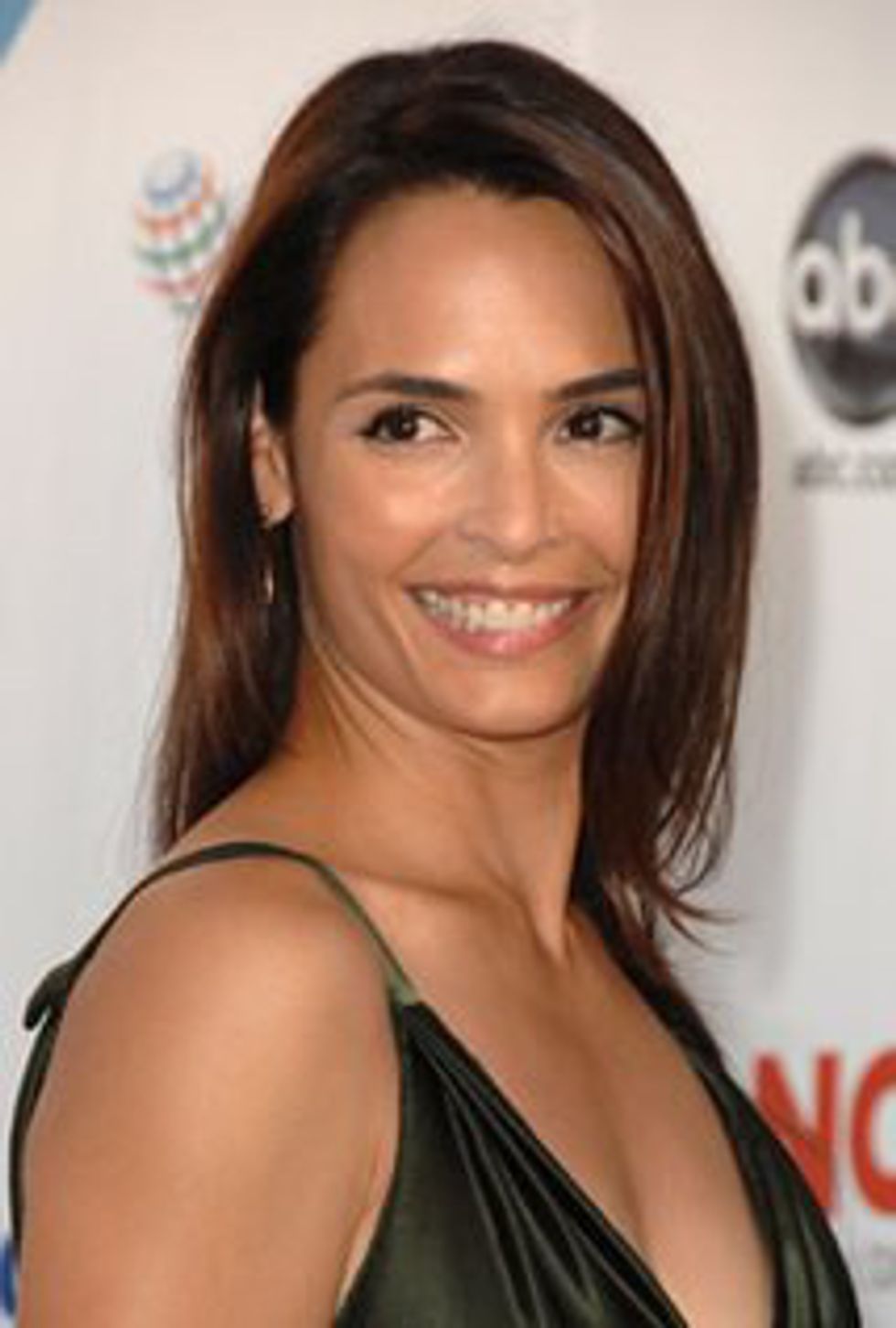
Believe it or not, I actually have a namesake--Talisa Soto (pictured below). My mom picked her as an homage to my Puerto Rican heritage as she was amongst the first Latinas to make a splash in the international supermodel scene. She also maybe had bigger aspirations for my height than what she got. Oh well. I have never had anyone recognize the moniker as hers, and have often quipped to my mom about the point of a namesake if no one even realizes that you're named after someone, and even blamed her for not simply spelling my name phonetically. In recent months though, I've come to realize that when I begrudge the spelling and pronunciation of my name, I am forsaking all of the stories that my name represents.
September is fast approaching, which means that the seasons for new faces and new names is upon us. To that end, here of some of my tips for how to get your name across:
1. Offer something that your name rhymes with. Example: Talisa, like Alyssa with a T.
2. Provide a nickname that you would be comfortable being called if someone just can't get your name down.
3. If it is a formal setting where you do not want to call out someone for their mistake, wait until you have a few minutes alone.
4. If you have let someone call you by the wrong name for an extended period of time, frame it by mentioning that you struggled to find an appropriate time to bring it up.
5. Remember that you are not self-indulgent by insisting that someone address you by a name that you are comfortable with.
To everyone out there that resonates with this dilemma, remember: they are not a bad person for saying it wrong, and you are not a selfish person for wanting them to say it right. Sure, you have to add your name to the dictionary in Word, and you'll never have a keychain with your name on it, but you have a conversation-starter built right into your name.