All over the world, the foods that people eat hold secrets behind the colorful packaging — packaging used to attract consumers. Pork, fish, ketchup, peanut butter, salad dressing and even juice all have something in common most buyers don’t know. Each product has a corn base within it.
Corn is a cheap starch which can be broken down into processed ingredients known as high-fructose corn syrup and maltodextrin. Corn is being used as a cheap filler for our meat sources and a sweetener for snacks on the shelves in grocery stores. The documentary "Food Inc." interviews various food engineers, corporation farmers and real grass farmers. The documentary highlights all aspects of food that consumers would not usually know about without doing in-depth research of their own.
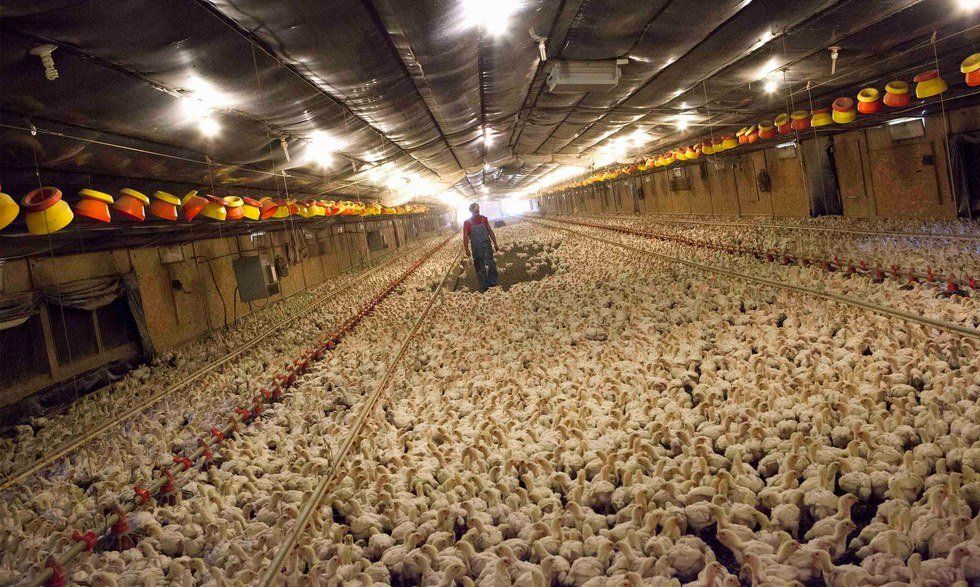
The average human devours 200 pounds of meat a year per person — meat coming from animals who have been engineered to get fat as fast as possible. The animals are fed corn which fills them up quickly, and some of them may or may not see sunlight in their lifetimes. The idea of animal rights is not a concern to farmers as long as it does not make a dent in their pockets.
Companies continue to mark their products as “natural” and “organic” even though hogs and cattle on their farms have been standing in their own feces for days and cannot move because there are too many animals placed together. The animals are created, not raised. According to the documentary, they are engineered to grow so quickly their bodies are unable to keep up, so they end up collapsing while walking. That is not natural, nor is it organic.
Producers fight tooth and nail to avoid having to label their products with the origin of production and whether or not the item being sold has been genetically modified. According to "Food Inc." about 70 percent of foods are now in some way genetically modified, but it is a guessing game for most products. Buyers should not have to wait for a salmonella death to get insight on how food is being handled. It is unfathomable that knowledge is being withheld from consumers because the industry simply prefers not to share it.
Buyers have the right to know what they are putting into their bodies. An article published on Truthout website titled "We have the Right to know What’s in our Food" included information regarding the labeling of genetically modified organisms, or GMO, foods before the Food and Drug Administration allowed the products to go without labels. Rodents have shown toxicity in their immune systems after being on a genetically modified corn diet — the same corn which is in almost all products on shelves in local grocery stores but buyers are seemingly unaware.
Although genetically modified foods have been proven time and time again to cause health problems, the products rail hard against being regulated. Whether farmers and corporations are for or against the idea of genetically modified foods, consumers should be aware of which foods are genetically modified in order to decide what they are comfortable putting in themselves.
Prior to being slaughtered for packaging, the animals are unconsciously digesting chemicals within the food they are fed. The chemicals are used to promote weight gain in the animals as shown in a study done by Nigel Key and William McBride titled "Sub-Therapeutic Antibiotics and the Efficiency of U.S. Hog Farms." Hog farmers incorporate antimicrobials into the animal’s food and water to promote weight gain and decrease the amount of food an animal needs to feel satisfied.
Informing consumers of what is in the products they are buying is crucial to the future of the food industry in relation to its costumers. The chemicals being ingested by the animals are directly ingested by the humans who consume them afterward, causing unknown health effects to buyers.
Knowing what has been fed to the animals buyers eat could solve consumers' “unknown” health issues worldwide.
The food industry needs work, and the only way to fix it is through stricter rules set by corporate leaders on deciding what the consumers need to know. What the animals are being fed should be open knowledge to buyers because consumers deserve to know how their food is being made. Corporate leaders should provide appropriate labeling and education to their costumers about the products being sold to them. Educating the public on what they are consuming should not only be a job requirement of food industry employees, but a moral responsibility.