
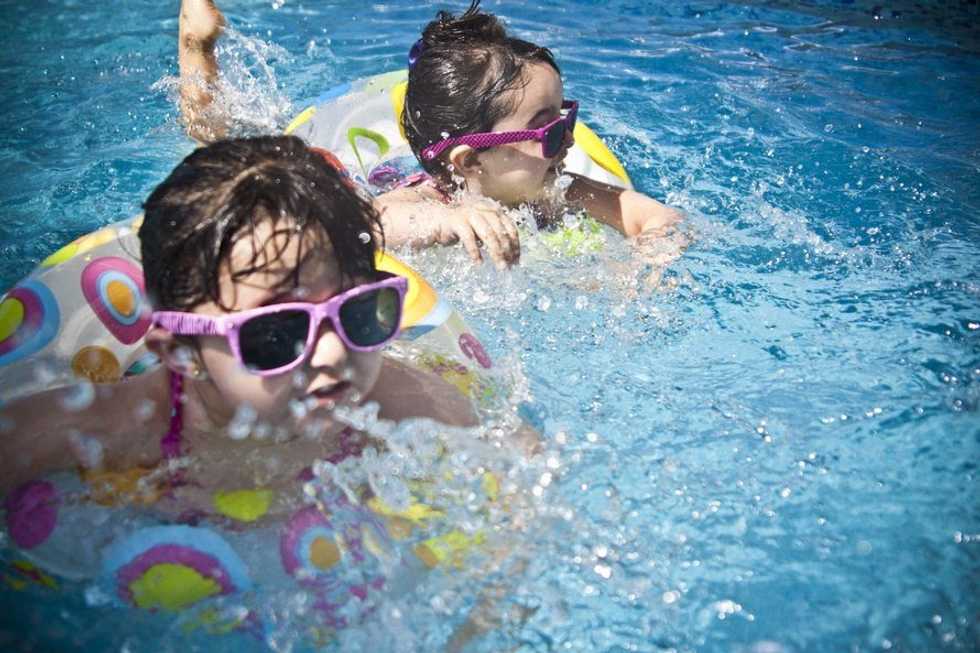
The summer after I finished high school, I realized that I needed a real summer job. Commissioning crafts and cupcake decorations was not going to cut it anymore; I needed more money for college. As I spent the next few weeks searching, I realized that no one wanted a seasonal worker, so I turned to the most seasonal job I knew that was always hiring: working as a lifeguard at the public pool. The training was an intense three days beginning with three physical tests: swimming non-stop for 200 meters; diving for a five pound rubber brick beneath 12.5 feet of water; and treading water for two minutes without hands. It ended with four different tests of what we learned: a multiple choice test of the actual rules and guidelines in the manual we were given; a CPR test with a dummy with multiple possible scenarios; a first aid test where you had to be able to properly identify and treat various illnesses and injuries (seizures, spinal injuries, chemical burns, pencil in the eye etc.); and a quiz of all of the different types of whistles, hand signals and water rescues. Here is what I learned from the job, though it came from none of the tests.
1. I hope I never have to perform CPR.
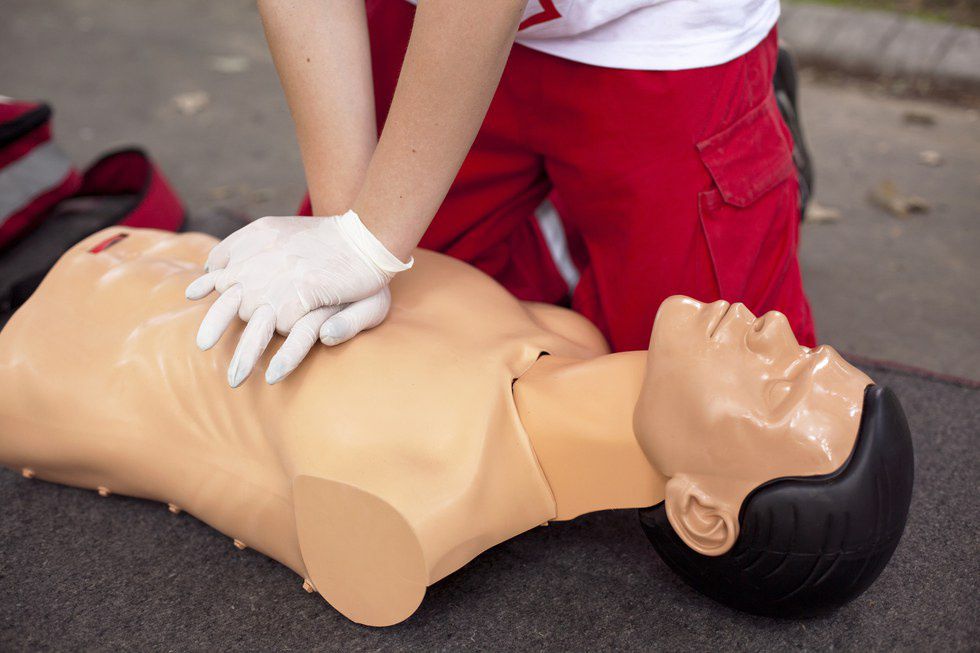
It’s not that I don’t know how to perform CPR. It’s not even that I have to breathe into another person’s mouth; we have specified breathers that we must use to protect us and the recipient. It’s that the force of giving a person chest compressions would break their ribs. Not only that, but after a few minutes of chest compressions their chest would be pretty mushy from all the broken bones. I get queasy every time I think about it. Also, I never want another person to need CPR; no one wants to be that close to death.
2. How to pay attention for hours.

The lives of the guests are actually your personal responsibility, and if you aren’t able to do your 10/20s then someone could easily die or end up in a worse condition than they should have. 10/20 means that you have to efficiently scan your entire area in 10 seconds or less (preferably less) and respond to any distress within the proceeding 20 seconds. You also have to stand every 5 minutes (we usually just stood at the end/beginning of a song on the radio) to prevent fatigue.
If that weren’t enough, visual-audio tests (VATs) and audits are conducted randomly, at a quota per day. Everyone had to have at least one per month, but there were always more than that. VATs are when one of your coworkers sneak around the pool and then either pretend to drown or throw in a dummy. They will do their very best to trick you (e.g. hiding the dummy at the bottom of the waterfall, drowning right under your chair etc.). You must spot this and respond within the 30 seconds of its commencement or you get a warning. If you take more than a minute, you get written up (as you should for not paying attention). Audits are when a manager or head-guard watches you from a place you can’t see for a rotation to see if you have all of your uniform and equipment, you’re scanning correctly (you have to visibly move your head), you stand every five minutes, etc.
Kids can also be real jerks. They like to pretend they're drowning or bombard you with pointless questions meant to annoy you, or they just don’t listen. Deciding to intervene is an exercise in it of itself. If the kid has panic on their face, they are actually drowning. Drowning is quick and silent, not usually noisy and full of splashes. Enforcing the rules depends on the importance of the rule and how much energy I have left.
All of that demands your attention, despite the fact that 85 percent of the time everything is fine and you’re not needed. But, when you are needed, it is important that your response is immediate. This makes the job stressful, while simultaneously being quite boring for the most part. To combat fatigue, I sometimes played a game of counting how many there were of one color swim suit. Sometimes I would eavesdrop of gossiping moms and kids. All of the time, I was silently judging everyone. No one is safe from a bored, yet alert, lifeguard.
3. How to communicate efficiently.
Being in a chair, or “perch,” that is five feet off of the ground, above chatty guests and screaming kids with the ambient noise of the water falls, makes it hard to hear. Even when talking to the guests who stood next to the perch, it was still quite hard to hear them. We have whistles, hand signals and radios to talk to each other, but it is still a challenge because you can’t look away from the water for more than a few seconds. You become an expert at answering very common questions.
"What time is it?" There is a large clock right there.
"How tall must my child be to go on the tube slide?" Four feet.
"How tall must they be to go on the drop slides?" How well can they swim? (I swear, this kid in diapers could swim better than some adults.)
"Where is the first aid office?" See that red door with a white cross on it?
4. I’ve never checked the weather more often in my life.

If a storm is coming, or the temperature is in the 60s, you pray the pool doesn’t open or, at least, closes soon. Then you realize that it’s a weekday and that the camps will come no matter what the temperature is. Even if it’s raining. Only lightning is taken seriously.
5. You can never have enough sun screen.

Enough said.
6. Or layers
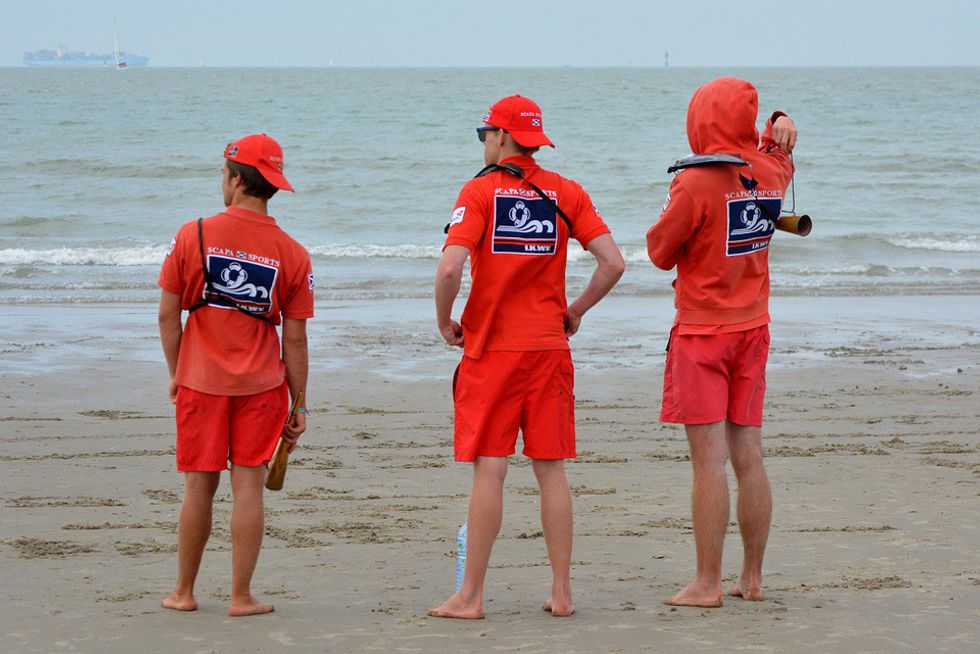
Despite the fact that most people only come to pool on hot days, lifeguards are there every day. Most of us didn’t even get windbreakers.
7. Forget a good tan.
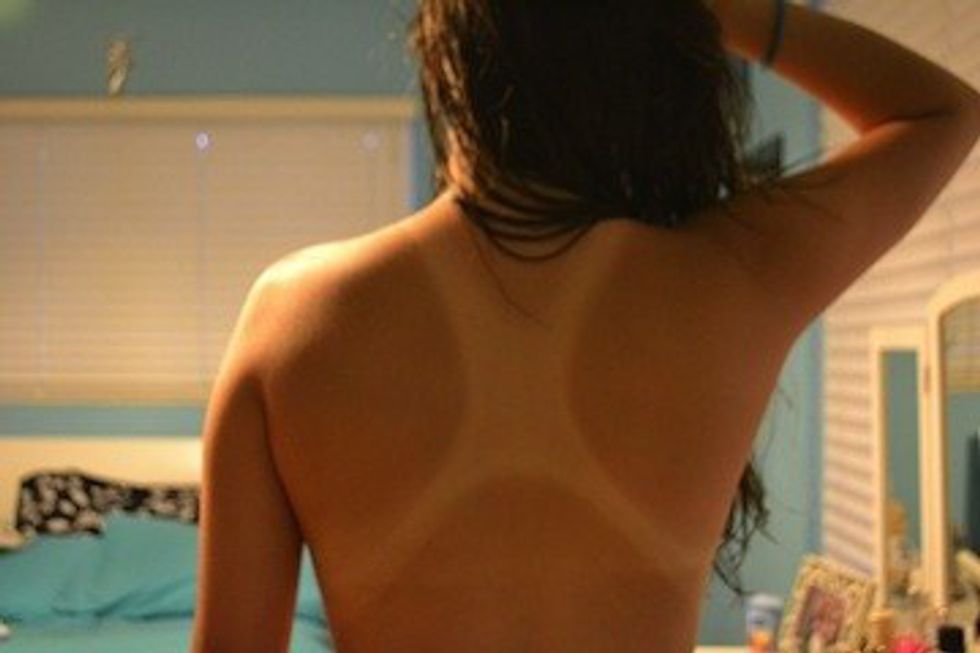
Seriously. Being a lifeguard will get you a little browning, but you’re required to either wear your t-shirt or sit under an umbrella. Your tan is also lopsided, depending on how you, your umbrella and the sun line up; one of my friends had one really dark arm. You also get really bad strap tans from your suit and the strap that attaches you to the tube you carry around.
You will also probably burn during training because you are constantly going in and out of the water, which simultaneously washes your sunscreen off while making it hard to reapply it.
8. Water is ironic.
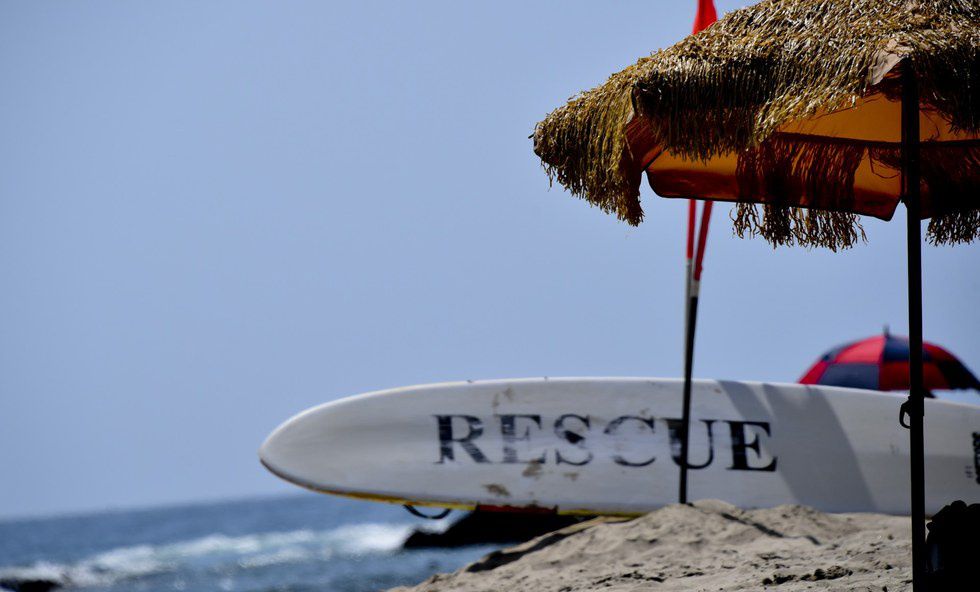
Staying hydrated is so necessary that you’re supposed to get written up for not bringing a water bottle. Even if you forget yours, someone will just bring you a cup of water from the concessions to carry with you. When people go on their short break, they’ll still go around and ask if anyone needs their water filled.
Then there’s the part where it’s our job to protect people from being killed by water. Funny how that works out.
9. Your boob size does not matter in a one-piece Speedo swimsuit.
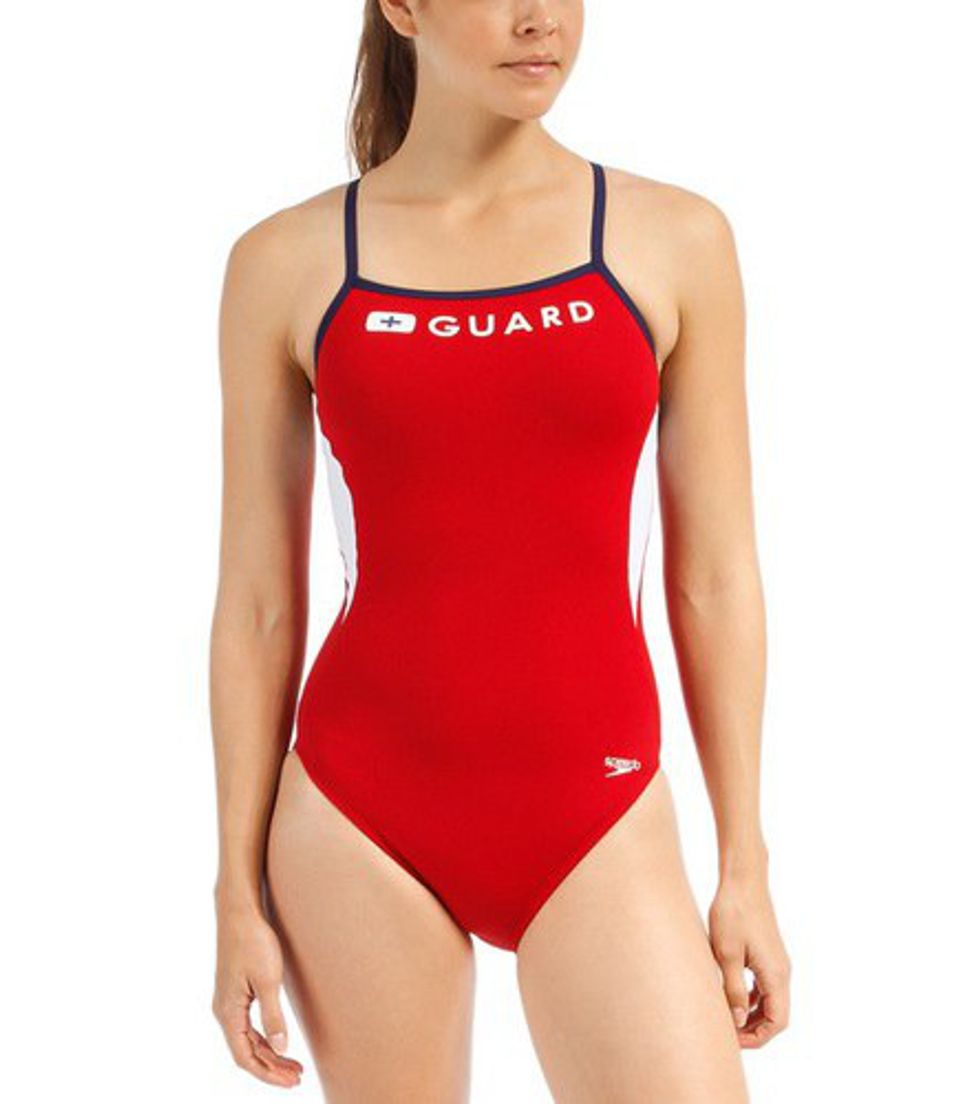
They all get squished into the same place.
10. The evening crowd is surprisingly regular.

You can’t have the same relationship with the camps that come in the morning, because there are so many of them and most don’t come every day. There was a group of kids who were always pushing the rules to see if the lifeguard by them would react or let them do what they want. There was also the dreaded kid in the white swim cap. He'd do what he wanted and anger everyone around him. If you yelled at him, he would turn to you, stick out his tongue and not face you again, no matter your whistling. (This often resulted in calling a manager over.) Then there was the kid in the bright orange swim trunks. I’ll talk about him in a bit.
11. There is always that one guy that is too excited to be at work.

We actually became pretty good friends. I still don’t know how he can have so much enthusiasm at eight in the morning.
12. How to navigate the Shift Schedule

You learn quick by when you need to let the manager know when to take off, who is most willing to change shifts, who is always “too busy” and finally, the busy days you want to take off but can’t because they’ll be short staffed if you do.
13. Rape culture is prevalent everywhere and influences kids at a young age
Yea, that chestnut. That ugly, glaring chestnut. The kid in the orange swim trunks didn’t look more than 12 years old. He was infamous with the entire staff for pulling down his pants as he jumped off the diving board; a manager would threaten him or his mom with being kicked out, and he would stop for the rest of the day.
Last summer, my last year as a lifeguard, I was in the part of the rotation where I was guarding a small pool detached from the larger main pool that only needs one guard at a time. The kid in the bright orange swim trunks was with a group of kids who I see often in the evenings. He suddenly starts calling out for me to take off my clothes and gets the other boys to chant with him. All the while, everyone else in the small pool, kids, teens and adults alike, said nothing. They just watched for my reaction. Just letting it happen, as if they knew something should be done, but they didn’t want to call attention to themselves for something that could easily be excused as “boys being boys.”
I got a manager over to kick him and some of the boys out, but his perceived right over my body and everyone around silently allowing him still disturbs me to this day.
I have learned a lot from lifeguarding for the past two summers. And although I usually talk about how hard and stressful and boring it was, I am glad for the experience. It wasn't all bad, and I'm stronger for it.