
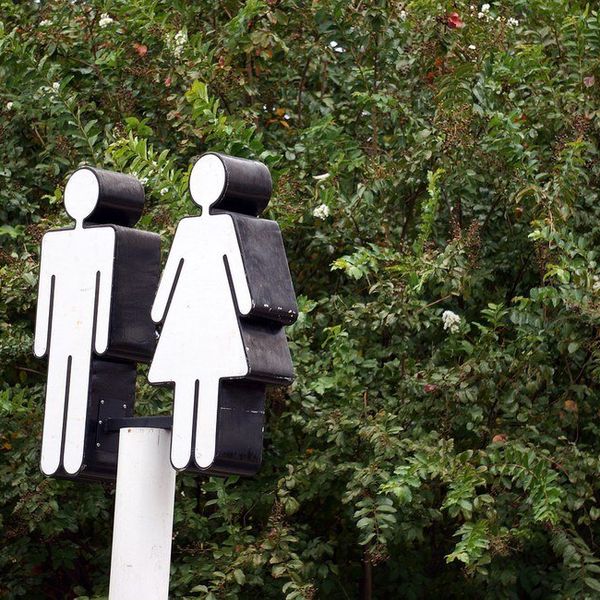
“Be sure to behave like a lady today,” a mother reminds her six year old daughter. The daughter nods, knowing exactly what her mother meant and what she expected of her. It is funny how children just know their gender and what is expected of them as a result of being a part of that gender at such a younger age. When the mother told her child to be “ladylike”, of course she knew she had to behave in a polite, sweet way. She knew she was not to offend anyone or be obnoxiously loud. She knew she was not to be a distraction. Women are often portrayed as petite, quiet, polite characters that focus on maintaining their appearance and keeping a good reputation. So how do even children already know this at such a young age? They are influenced by their surroundings-- what they see and what they hear. Things that influence what we know as “ladylike” behavior include children’s toys, passed down traditions, and the media.
As a starter, children’s toys influence ladylike behavior because of the way dolls look and the behaviors that they encourage. Let’s take the classic Barbie doll as an example for instance. Many girls see Barbie as a beautiful doll that they would want to look like. A typical Barbie doll is 11.5 inches, which, at a ⅙ scale, would make her 5 feet 9 inches tall with vital statistics that have been estimated at 36 inches (bust), 18 inches (waist), and 33 inches (hips). These proportions would be dangerously unhealthy if a woman in real life tried to copy them. In fact, a woman wouldn’t even be able to menstruate and would have to walk on all fours, not even being able to stand up correctly, with these dangerously unequal proportions. Barbie also encourages unhealthy behavior. For example, Slumber Party Barbie, made her debut in 1965 and came with a book entitled How to Lose Weightand one of its tips was simply ‘Don’t Eat’. Barbie is known for being the reason why girls have attained eating disorders, such as anorexia or bulimia. They are not getting the proper nutrition that they should by following Barbie’s “advice”. Basically, the message that the Barbie doll gives, is that to be beautiful, a lady must have a “perfect” body by being extremely thin (no matter what it takes to get there), having large hips and busts, and being tall. It was all about appearance. Toys could also teach children a little bit about behavior by gender, but not as much as appearance.
Another thing is that passed down traditions show children what gender roles they should portray because this is what they’ve been taught and what they see starting at a young age. Throughout history, men have been the dominant figure and the “breadwinners” in households and women would be seen as the child-bearer and the housekeeper. Today, women can work outside the home, but still are seen as the ones who take care of the household by cooking, cleaning, and taking care of the children. Traditionally, men go out and are the breadwinners for a household, while women stay at home and do housework and childcare. Even though the majority of women work, these expectations still exist; women must choose between a job and a career, or risk being considered a bad parent. When women don’t portray these traditional roles that are expected of them based off of what women had always done, people tend to think that they are not doing their job and are being terrible wives. Children do not only learn from their parents, but also through other observations.
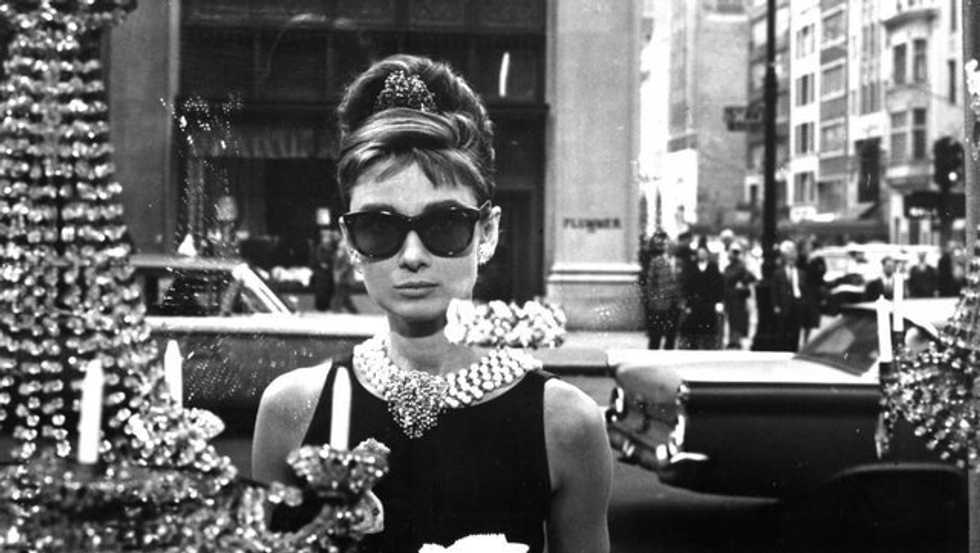
Lastly, the media influences ladylike behavior by showing children how girls should act through the TV and magazines. Advertisements in magazines and commercials on television can show people how women are expected to behave. TV show episodes and movies may influence certain behaviors as well. Almost every time a woman is portrayed in the media it is in some superficial way, for instance the commercials on household cleaning products show the perfect housewife. The other portrayal is of the perfect looking woman, the perfect body, hair, face. You know the ones that are always focused on their lipstick or the perfect pair of designer shoes. What ever happened to portraying women as they really are? Again, women are being told that they should be the ones at home doing the cleaning and taking care of children or are told that they are inferior to men, who are the dominant figures. They also are once again, expected to care about their appearance more than most things Women are much more likely than men to serve a decorative function. Women recline in seductive clothing, caressing a liquor bottle, or they drape themselves coyly on the nearest male. They bend their bodies at a ludicrous angle, or they look as helpless as 6-year-olds. They also may be painfully thin. Models in ads may make other women feel like they have to be as pretty and thin as them in order to be accepted and become an interest to men. This is quite a demeaning message, but some women may feel they have to behave in this manner because that is what the media and other people want of them.
In conclusion, girls learn how to be ladlylike starting at a young age. They learn this through things such as toys, the media, and passed down traditions. Many things are expected from them, whether they are humane or not, and they may feel pressured to behave in certain ways. The most common ‘ladylike’ behaviors these days are to be beautiful, small, classic housewives, and be inferior to men. Women should learn to be themselves and behave in the ways that they want to. Not be influenced by the world around them to behave in a certain way against their own will. There is a difference in acting ladylike and acting like someone you are not.