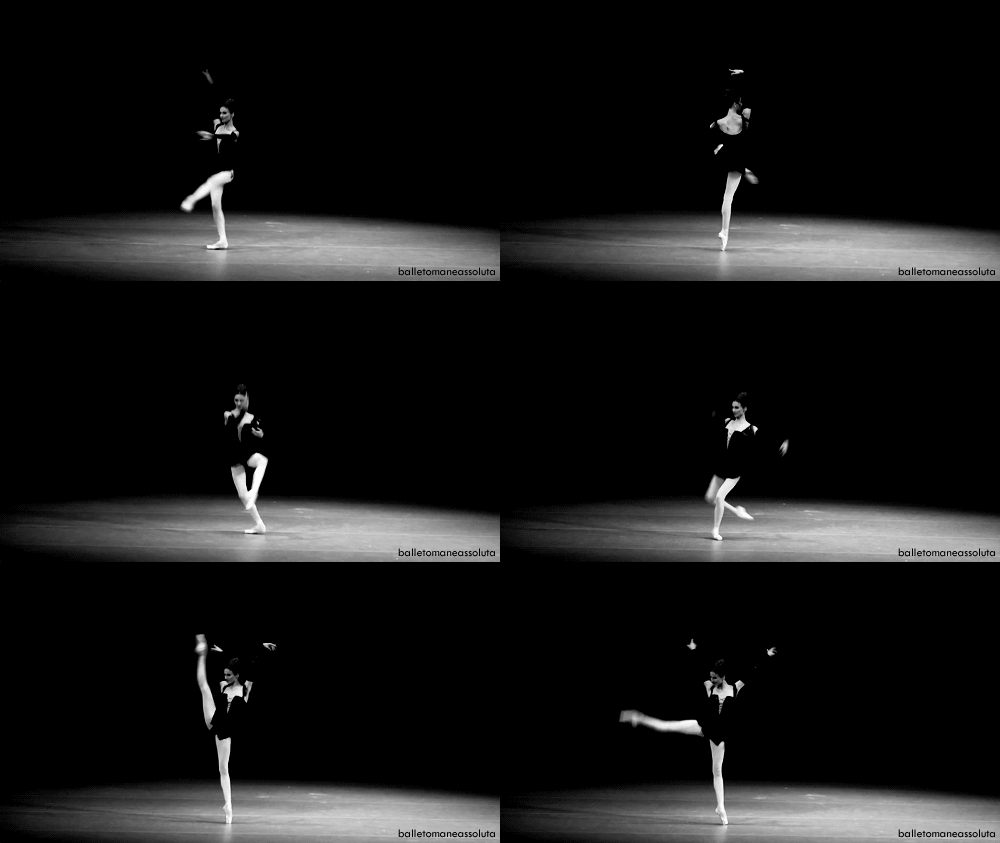
From a young age, ballet has been my one and only true love. In high school, I chose to trade football games and parties for long hours in the studio. I never ate junk food, or anything with too many calories. I could be found in my room stretching or organizing my prized leotard collection. I spent days meticulously sewing ribbons onto pointe shoes. To me, the routine of it all was exciting – performing for an audience was all I ever dreamed of doing.
Years pass by, and here I am. My first year of college is over and I did it without the constant presence of ballet by my side. Quitting to attend a traditional college instead of a conservatory, was the hardest decision I’ve had to make. Who am I without ballet? What will I do instead? These are the types of questions that plagued me during the months preceding my decision to attend Dickinson. In retrospect, I had an identity crisis of sorts.
After one of the hardest transitions of my life, I have experienced first-hand what happens to a serious ballet dancer, physically and mentally, after quitting cold turkey:
1. You go through withdrawal.
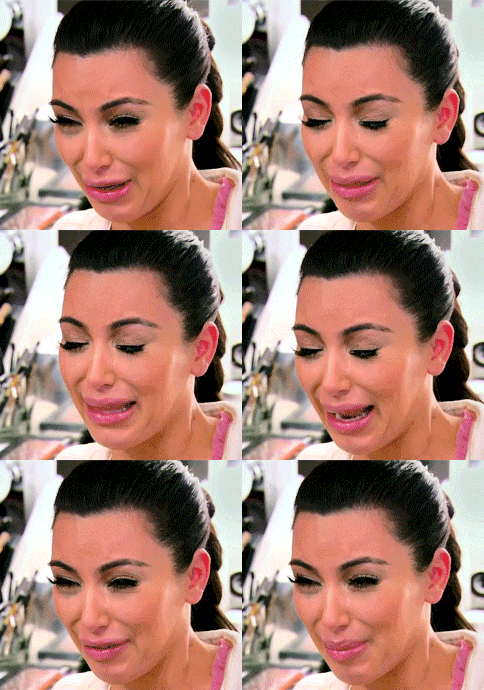
You aren’t dancing everyday for hours, so you don’t experience the same level of endorphin release. You miss seeing the other students and teachers, who became your second family. The adrenaline that comes from performing in front of hundreds is a thing of the past. Cleaning out your leotard drawer will probably result in hours of crying.
2. You have free time.
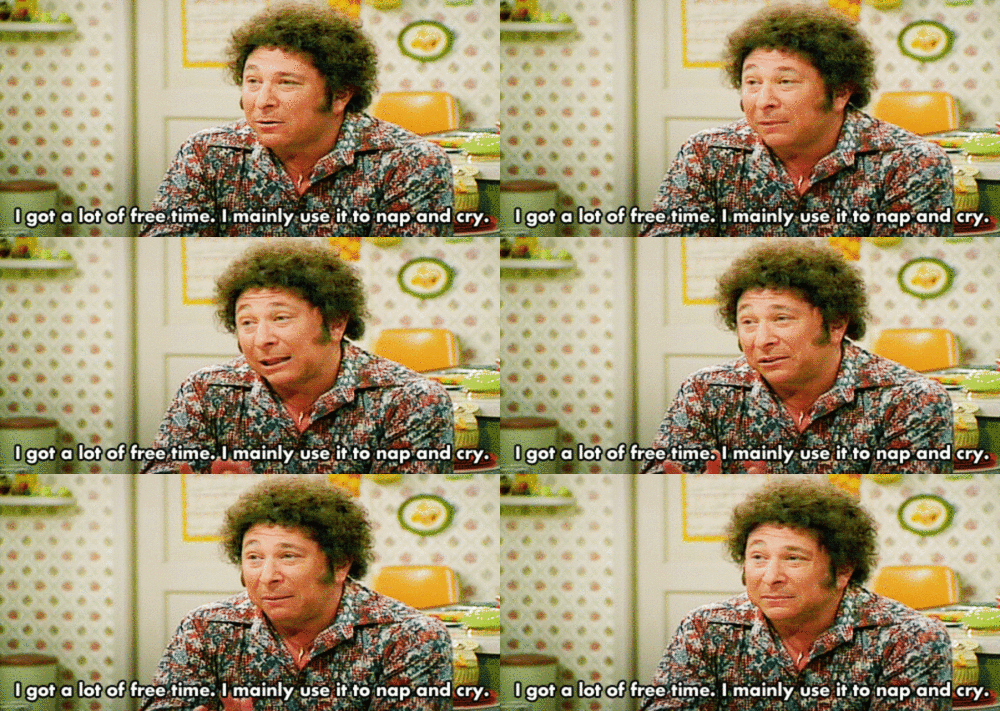
Like a ray of sun bursting through a stormy sky, you finally snap out of your comatose existence and realize the glory of unscheduled time. The world is your oyster! You’re going to have a free summer! No more hours of sewing!
3. The callouses on your feet disintegrate.
I know, this is the gross part. Remember the rock hard callouses located on strategic parts of your feet to prevent painful blisters? Well, one day, you wake up and they start to peel off in layers until nothing remains (I often found pieces of dead skin in my shoes).
4. You find other interests.
Now that you don’t have to worry about getting injured and not being able to dance, you can try all sorts of things. You can ice skate, ski, rock climb, run, or play a sport – all without the nagging voice in your head telling you that you’re going to tear your meniscus and destroy your dance career. (You can also develop an interest in food and eat a lot of cake without worrying about fitting into a leotard the next day.)

5. You have to learn to socialize with non-dancers.
This one takes some practice. Now that you can’t talk about ingrown toenails or that new jar of extra-strength tiger balm you bought, you have to teach yourself to talk about other (boring) things, like the weather. After a few months, I also learned that cracking every body part in front of non-dancers is not okay and often scares away potential friends.
Despite the struggle of change that I have faced, I don't regret my decision to attend Dickinson over a conservatory. I continue to take a ballet class every now and again, and I joined the modern dance group on campus. No matter what, dance was, and continues to be, an integral part of my identity. Like George Balanchine said, "I don't want people who want to dance; I want people who have to dance."