This week, I'd like to start a conversation about the basics of cultural appropriation. I like to write about topics that I know, have experienced or believe in, because it represents who I am and what I stand for. But, as a black female, I know that many people of other diverse backgrounds can't relate to me no matter how much I talk or write about it. My hope is that this article will stir up a conversation between everyone, no matter what you Identify as.
What is cultural appropriation?
I read an article from everydayfeminism by Maisha Z. Johnson and she explains cultural appropriation in simple terms: "When somebody adopts aspects of a culture that's not their own" and "a power dynamic in which members of a dominant culture take elements from a culture of people who have been systematically oppressed by that dominate culture."
How does the media shape the perception of culture?
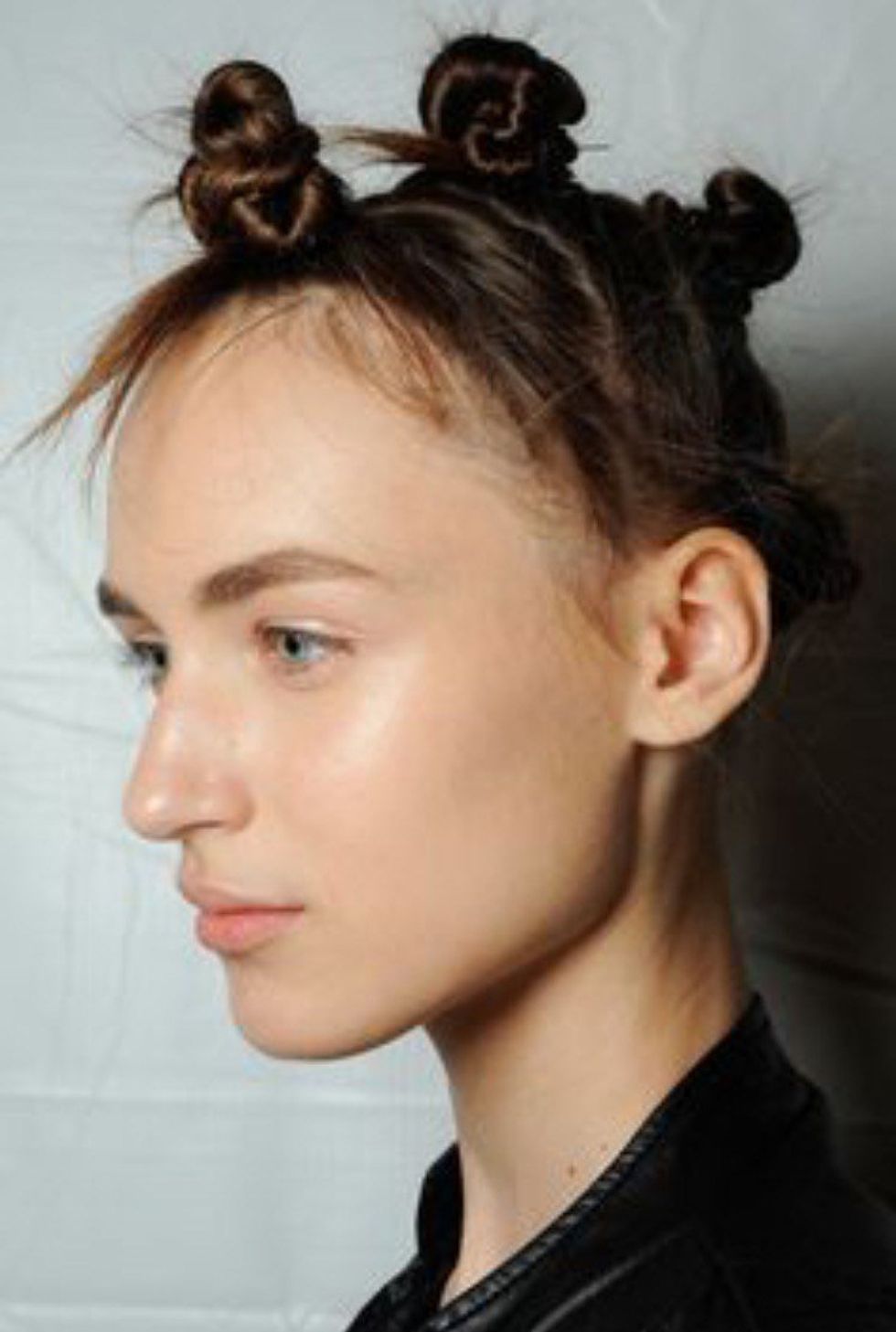
Like many other college students, my mornings consist of me trying to wake up, brushing my teeth, washing my face, doing my hair, trying to find my pants, being late to my 8 a.m. class because I needed coffee and checking Facebook. One particular morning, I saw an article and tutorial about how to achieve a "mini bun" look that was "inspired" by Marc Jacobs during Fashion week in 2015. Then, I found a picture from the Chanel fashion show in 2014 of models wearing "urban tie caps". Here is why this a problem and why both of these "fashion statements" pissed me of:
Others are rewarded or "accepted" for something we are oppressed for.
Those "mini buns" are called Bantu Knots and it's been a part of African culture for centuries. It is a natural hair style, a protective hair style, a heatless way to curl your hair and most importantly, it is my culture. Those "urban tie caps" are called du-rags and African American men wear them at night to keep their hair in place (it's very similar to a scarf that women wear before bed).
Why can they wear "mini buns" and be deemed fashionable, chic and urban, but if I wear bantu knots I'm ghetto, unprofessional and distracting? Why is it that they can wear a "urban tie cap" and no one will pay attention, but if my brother wore a du-rag he'll look suspicious and dangerous and be deemed a thug or hoodlum?
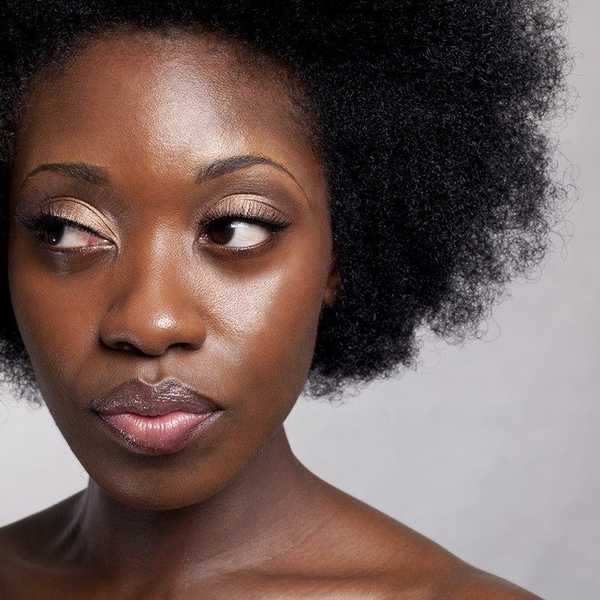
If I wear an afro to class, I'm a distraction or ghetto. People think I'm trying to make a statement when I'm actually being my true authentic self. People give me rude feedback and say things like "have you ever considered a perm?" But when they wear an afro, it's considered "pretty" and "admiring." They'll turn heads in the cafeteria and people will smile and say "who's that girl" instead of "what was she thinking?"
Is this similar to Columbus Syndrome?
YES THE HELL IT CAN BE!
The Urban Dictionary defines Columbus Syndrome as, "a mental defect that makes you think you have discovered a place that already has people living there. Those with this syndrome often take the stuff of the people living there because they think it's just lying around unclaimed. People with this syndrome often simply take over the property without really noticing the people who were already using it."
Here are a few examples of Columbus Syndrome in the media:
Elle UK Magazine tweeted that "baby hair" is trending, gave the credit to Katy Perry and called her "inspiring." "Baby hair" is just a term for having edges. It's not a trend, it's just a term.
Kylie Jenner is another example. Actually, the entire Kardashian family can be an example when they wear cornrows. People literally call cornrows "Kardashian braids" as if they created it. Cornrows have been a hair style for YEARS in the African American community. The Kardashians didn't discover this and they certainly didn't cause it to trend. (I encourage everyone to click on the hyperlink above and read the conclusion to this article. Apparently cornrows suits Kylie's fashion style because she has a "dark" complexion).
How can we stop these things from happening?
I honestly don't know how to answer this question, but the first step is to be aware of the issue and discuss it. If you see something, and you know for a FACT that it's cultural appropriation, then say something. What you SHOULDN'T do is tell someone that they can't wear/do something because they don't represent the culture. It's one thing if they claim to have "created" something that has been around for years, and it's another thing if they were actually inspired by said culture or style. Personally, I think there's a thin line between cultural inspiration and cultural appropriation, and it's important that you know and understand the difference. It's even more important that you talk about it and refuse to be silenced over the situation. You can't please everyone, but you can at least educate them.
What do you think?
Please comment on this post about how your culture has been appropriated in today's society. I used my voice to state facts and opinion, now it's your turn.