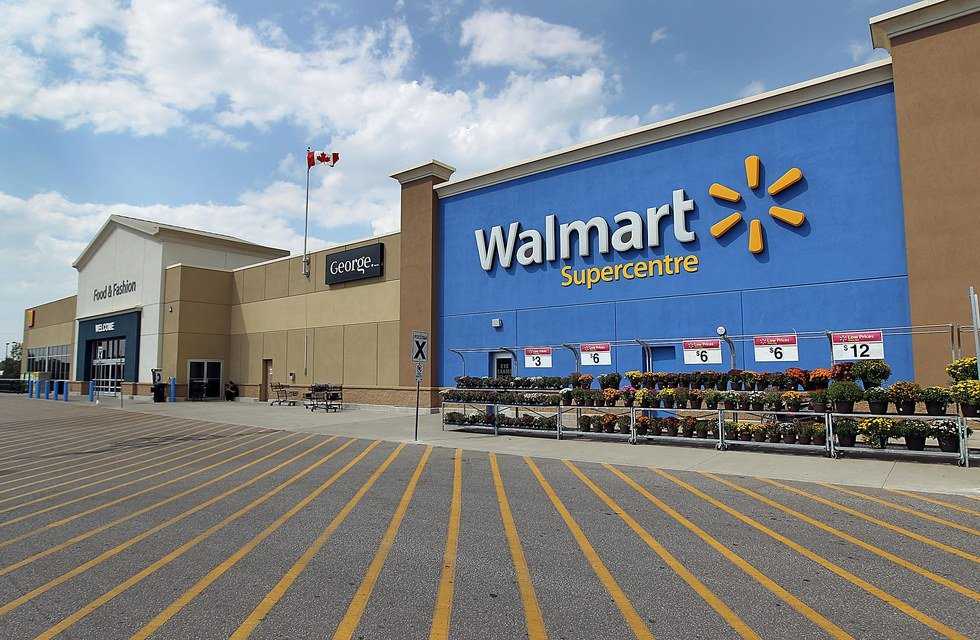
A quick Google search will bring you tons of articles about why you should not shop at Wal-Mart (this, this, and this, for example).
Let me be the first person to tell you that no one wants to shop at Wal-Mart. Poor people, for the most part, are aware that Wal-Mart is a Welfare Queen (meaning that Wal-Mart pays their employees less than a living wage and does not offer benefits which leads to their employees receiving SNAP and health insurance from the federal government). However, and I cannot stress this enough, poor people are not allowed the privilege to make the more ethical and initially more expensive choices. Everyone has heard that investing in products that are more expensive and therefore higher quality is good, and it is if you have the financial leeway to do so. However, initial investment is often not possible (for the same reason people take payday loans with exuberant interest rates and shop at Rent-A-Center’s rather than buying furniture out right even though it is incredibly more expensive in the long run).
For example, at Wal-Mart, the cheapest liquid laundry detergent you can buy is a 45oz bottle of Xtra that costs $2.00 while the cheapest bottle of liquid laundry detergent you can buy at Target is a 45oz bottle of Purex that costs $3.99 per bottle which is twice as expensive. And yes, the Purex might clean clothes better than the Xtra and therefore require less product to clean the same amount of clothes, but the $1.99 that is initially saved by buying the Xtra is easily spent elsewhere. Poor people are often forced to choose between buying food, cleaning products or toiletries at every paycheck. Budgets are often so tight that a coupon not working or a sale ending before being able to get to the store, not to mention an emergency car problem or illness, forces people to go without or put themselves in debt by using credit cards or taking payday loans. Wal-Mart offers a lot of discounts, coupons, and initially low prices which allows poor people to buy more (but likely not all) of the things they need.
So yes, Wal-Mart strengthens the cycle of poverty. However, poor people are rarely given the option to shop elsewhere at the same price point that they can shop at Wal-Mart. Therefore privileged people who have never had to wonder where the next meal is coming from or if they are going to be able to buy more shampoo when they run out should make available more ethical choices at comparable prices to those of Wal-Mart instead of writing articles that demonize poor people who are simply trying to feed themselves and their families.