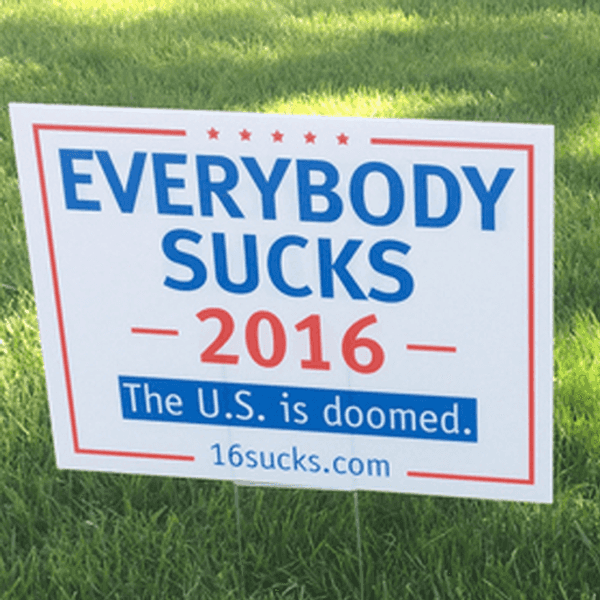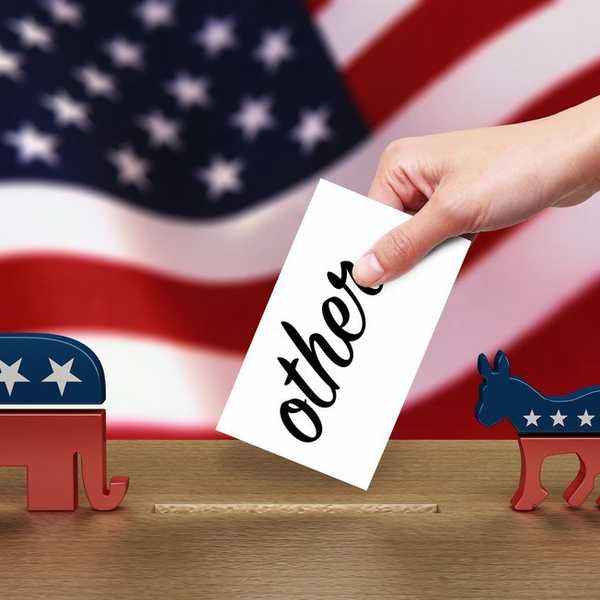

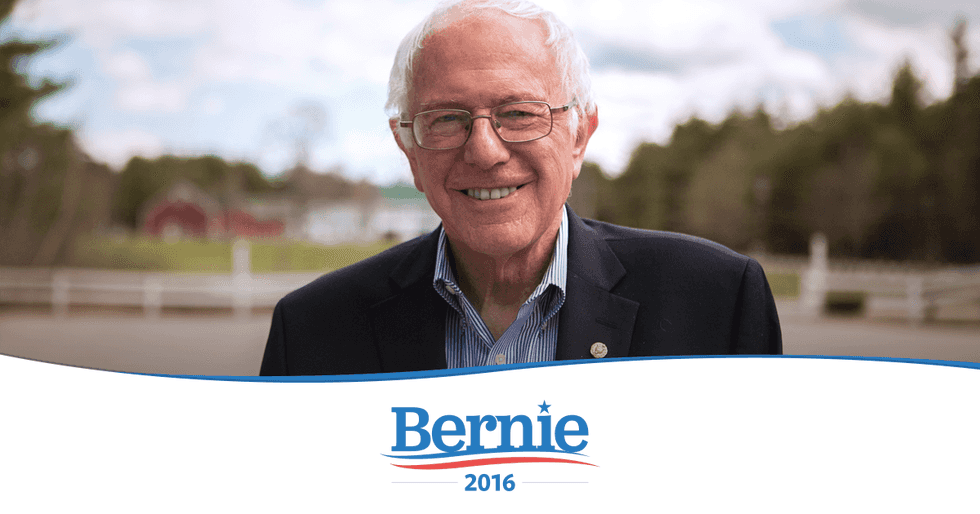
For many Americans, particularly Bernie Sanders supporters, third party candidates seem like an attractive alternative to two of the most unpopular candidates in history, but the system is stacked against them. We were excited about a major party for months. We made signs, attended rallies, and voted confidently in our state primaries only to watch the campaign from the Vermont senator fizzle out and leave us with candidates that can best be described as choosing the lesser of two evils.
Bernie Bros, I understand you’re hurting. I know it feels like your voice wasn’t heard. You have a right to be hurt, but protest votes for Jill Stein or Gary Johnson will not solve the problem. What they might do instead is give Donald Trump the boost he needs to win. The two party system is poorly constructed, and the electoral college prevents a third party candidate from contending, which is why I won't be casting my vote for them.
Third party candidates do not win for several reasons. They are rarely on the ballot in all 50 states because each state has its own rules on who can access the ballot. Most of these systems restrict contenders outside of the two major parties. Secondly, the electoral college ensures that it is almost mathematically impossible for a third party candidate to win the presidency. The electoral college works by a simple majority with the two parties appointing delegates. The candidate with the most popular votes does not necessarily win. The candidate with the most electoral votes does. To win an election a candidate must secure at least 270 votes, with 48 states having winner-take-all elections. The last time a third party candidate won any electoral votes at all was the 1968 election, where George Wallace still lost definitively.
While a vote for Jill Stein or Gary Johnson won’t get them elected, they could influence the election. Take, for example, the 2000 election. Green Party candidate Ralph Nader ran an unsuccessful campaign for President. However, he did garner some votes which hurt Democrat Al Gore in critical swing states. In New Hampshire, Nader took 22,198 votes. Gore lost by 7,211 votes. Had Gore won the state, he would have earned the 270 vote majority to guarantee his election. Even though Gore won the popular vote, he fell short of Republican George W. Bush in the electoral college.
We could very well see a similar situation in the coming 2016 election. The Washington Post reports that Clinton leads by an average of 3.3 points in a two-way race, but leads by just 2.4 when third party candidates are included. Votes for third party candidates could actually result in a Trump presidency.
Bernie Sanders himself is still supporting a major party. In his labor day address reported by the Washington Post, Bernie explained why he did not choose to run for another party. "If you run outside of the Democratic Party, then what you’re doing. . . would be taking votes away from the Democratic candidate and making it easier for some right-wing Republican to get elected — the Nader dilemma. . . I am going to do everything I can to see that [Trump] does not win. And I am going to do everything I can to see that Hillary Clinton does win.” Once again I agree with Bernie Sanders.
Unfortunately, we do live in a two-party system, so a vote for third parties or a non-vote actually is a vote for Trump, whether we like it or not. We can change the system, but not through protest votes in the presidential election. We can enact change by changing our Congress. If you believe in a third party, vote for those candidates when they run for senate or the house of representatives. Those are the people who can really make a difference. Third party candidates have a much higher success rate running in smaller-scale elections, but once they’re in office they can build the credentials needed to succeed nationally. They can also draft legislation to alter the political process.
If you’re upset with the current system, I can’t blame you. It may seem tempting to vote for a third party presidential nominee, but this is not the way to enact meaningful change. The candidate will pull votes from Clinton while boosting Trump. We could end up with another election like 2000. Instead get out and vote in your local and state elections. Fill Congress with your party. Make them impossible to ignore. Show everyone how committed you are to dismantling the two-party system. To paraphrase Hamilton, piss them off until we have a mulit-party system.