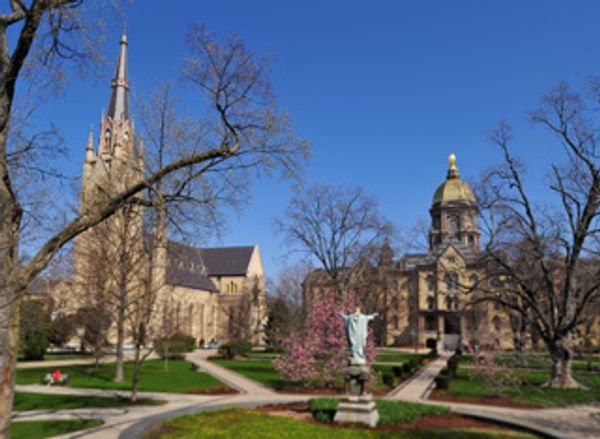

In the fall of 2015, CNN aired a documentary highlighting the epidemic of rape and sexual assault on college campuses, and the lack of reporting from those schools on said rapes and sexual assaults. It included schools such as Harvard Law, University of North Carolina, and Notre Dame.
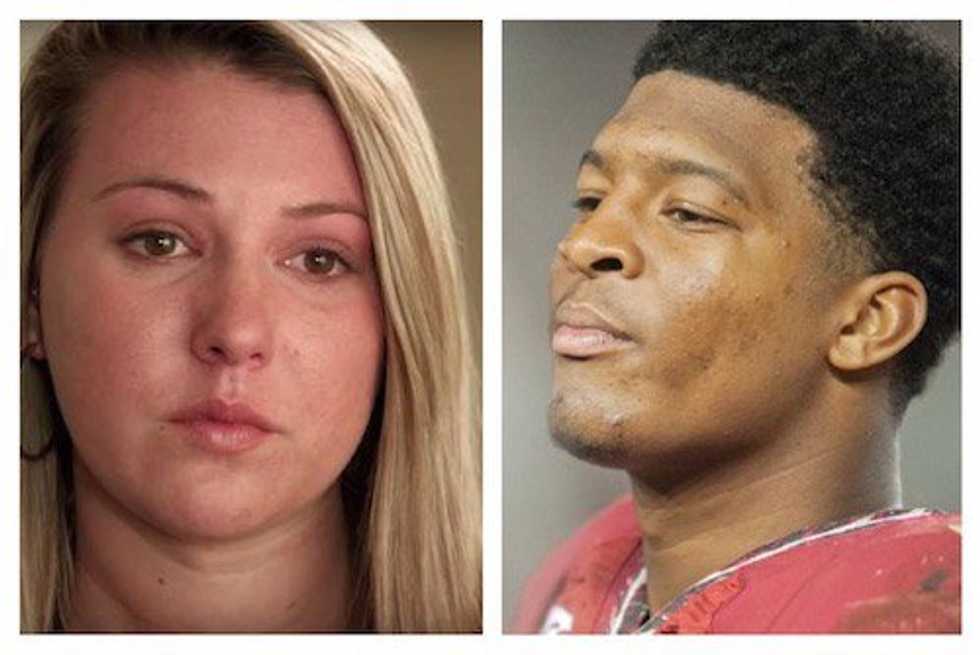
The documentary also looks at a particularly interesting case from Florida State University. One night, a girl by the name of Erica Kinsman went out to a bar with some friends and, while she was there, she received some unwanted attention from a man. Another guy stepped in pretending to be Erica's boyfriend so that the man would leave her alone. Erica thanked him and he then bought her a drink. The next thing she knows, she wakes up in a cab with that guy and his friends. In the documentary, Erica says that this is uncharacteristic behavior for her and that she never goes home with guys.
The cab takes them to the guy's house where the rape happened. She claims that he first tried raping her in his room, but was interrupted by a friend, who pleaded with the guy to stop. But, all he did was move Erica to the bathroom, lock the door, and finish what he started. When he was done, he dressed her and took her home. Erica then enlisted the help of a friend and went to the hospital to have a rape kit done.
But, the rape kit was not tested for several months. When she went to the hospital and a police officer arrived to take her statement, he tried to sway her from filing a report. But, Erica pushed on.
Erica did not know who her assailant was at the time of the attack. She did not find out until weeks later when she was in class, saw him walk in, and waited for his name to be called.
It was former Florida State University quarterback Jameis Winston.
Once Erica told the police that she knew who her attacker was, she was met with severe criticism by both the police and the general public. Even ESPN reporters Skip Bayless and Stephen A. Smith defended Winston, claiming that the investigation was totally unfair. Erica also received death threats and subsequently, dropped out of school. Winston faced a code of conduct hearing just weeks before he was set to play in the college football playoffs and was not charged with any wrongdoing.
Erica and her family filed a lawsuit against FSU and just recently won. FSU has to pay Erica $950,000 and must make significant efforts to educate on and prevent rapes and sexual assaults on campus. They have to report these efforts every year for the next five years.
Erica's settlement is the largest of its kind. It's also a victory for sexual assault survivors everywhere. By standing up to FSU and their refusal to take Erica seriously, she was able to show other survivors that they don't have to remain silent and that they can get justice.
Here is Erica's story: