


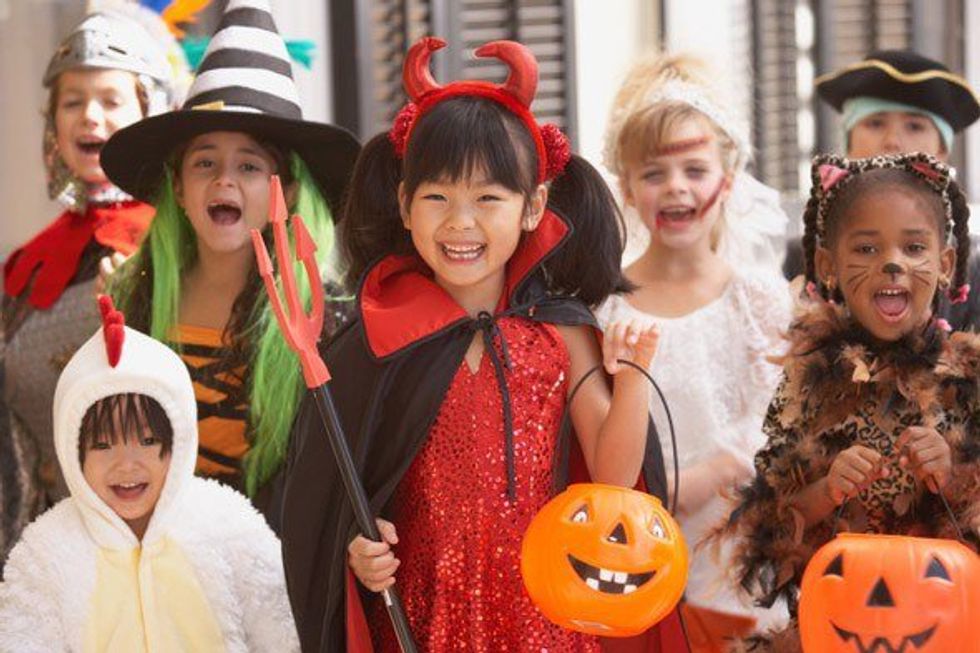
From fear-inducing decorations to the return of pumpkin spice lattes at Starbucks, the festivities of Halloween are clearly ready to be celebrated. Many people use Halloween to dress ridiculously, or dress in a way which would otherwise be culturally unacceptable. However, in recent years, Halloween costumes have become increasingly daring; in some cases, costumes have begun crossing the line from being outrageous to disgraceful.
Children and adults alike find excitement in the concept of Halloween. Not only is it deemed acceptable to dress insanely, but individuals are rewarded with affirmations like candy and compliments. These affirmations have driven us as a society to continuously get more and more scandalous with costume choice. As a result, overly sexual and culturally insensitive outfits have become a norm for the upcoming generations.
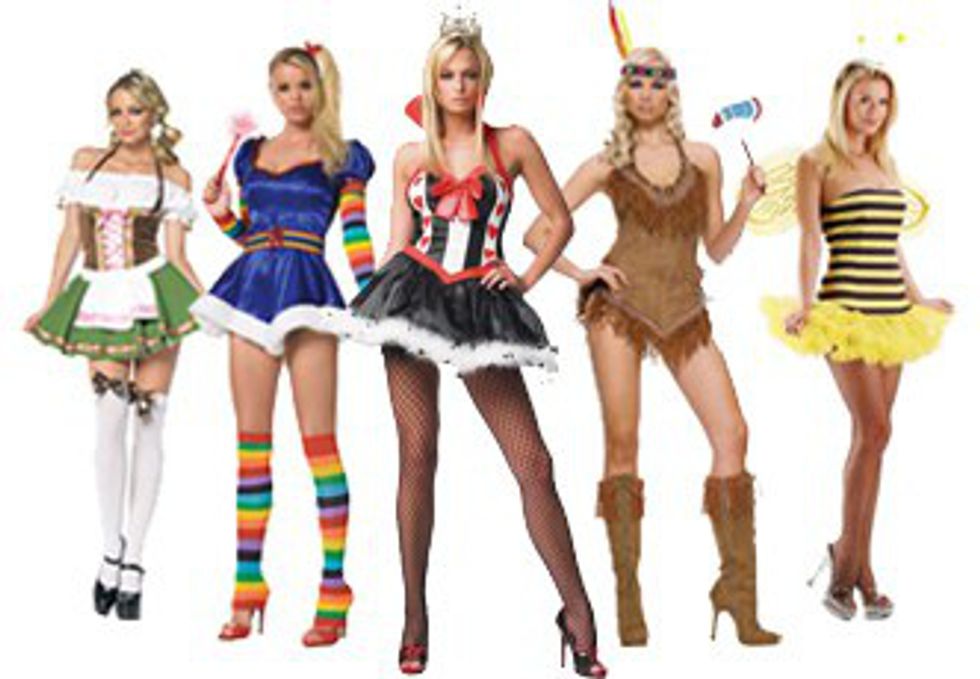
American culture has always valued the sexualization of women, and Halloween costumes exacerbate this problem. In the past, wearing short skirts or crop tops during Halloween would represent a small portion of the population. Nowadays, googling Halloween costumes for women yields top results of a 'sexy bunny costume,' or a 'short sleeve schoolgirl costume.' For both costumes, the website listed primarily sells outfits for foreplay. How did these costumes designed for foreplay come under results for Halloween costumes? It is outrageous that younger women are expected to wear these increasingly revealing outfits.
In addition to these overly sexualized and objectifying costumes, many costumes these days are culturally offensive and inappropriate. The fine line between acceptable and unacceptable costumes needs to be drawn once a cultural expectation causes discomfort for participants. Culturally insensitive costumes have always been sparingly worn during Halloween, but a recent event at UCLA ignited the anger of staff and the student body in response to offensive outfits. On October 6, students at a UCLA, "Kanye Western" themed-frat party sparked controversy after wearing charcoal on their face, donning blackface, fake grills and fake butts to appear black. According to Veronica Rocha, a contact reporter for the LA Times, hundreds of students could be seen "holding signs reading, 'Our culture is not a costume,'" as it "sparked anger over its racial overtones."
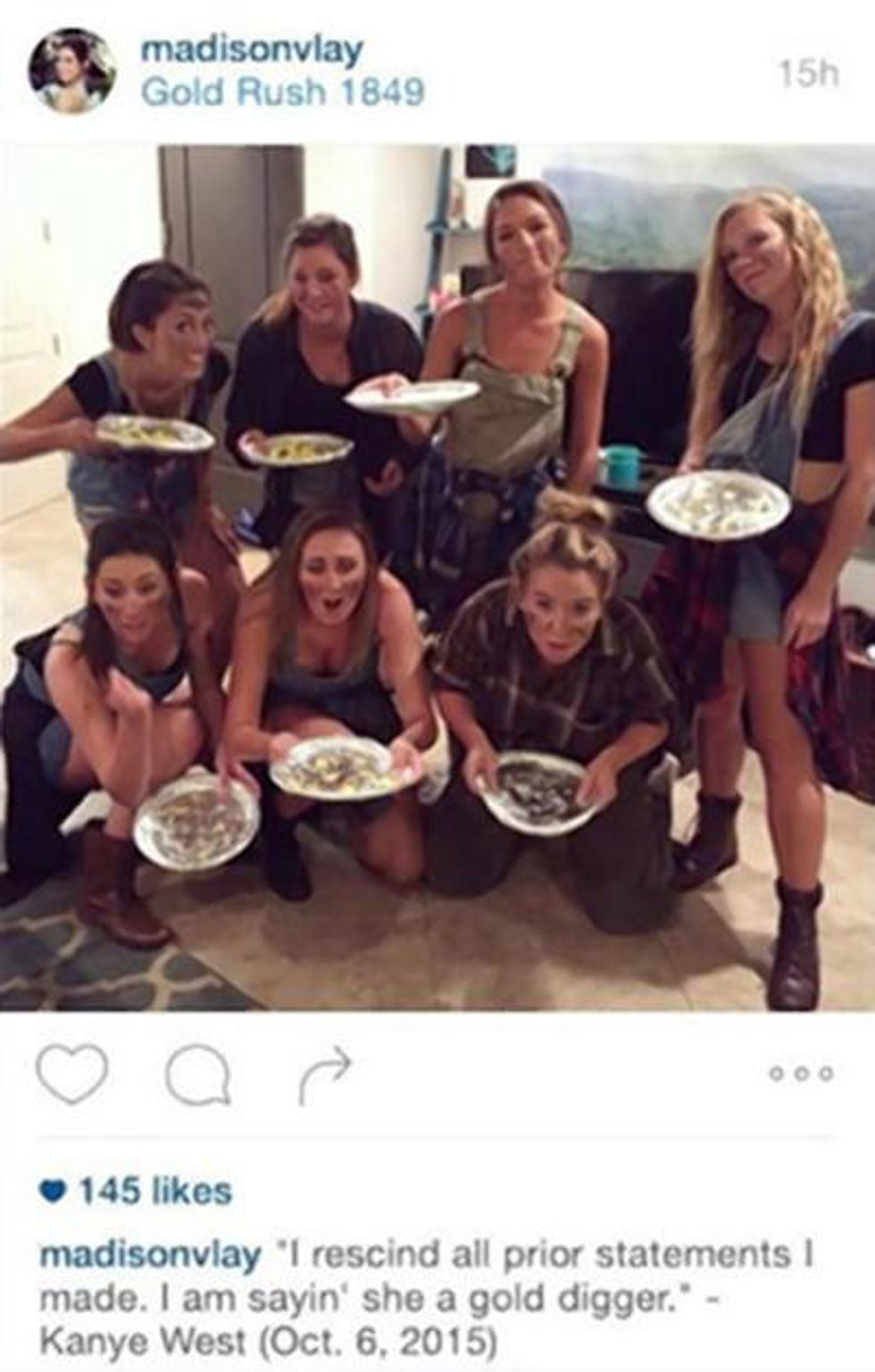
Perhaps neither of these instances raised a flag with you. The issue of offensive Halloween costumes is constantly dismissed and justified with the attitude that "dressing up is just for fun," and "there is no intention of antagonizing people." However, it is incredibly important to understand that all individuals interpret things differently. Halloween costumes only represent one aspect of our society's issue of evolving insensitivity; realizing that outfits can be offensive and becoming conscious of other's feelings is the first step to empowering a culturally sensitive community.

















