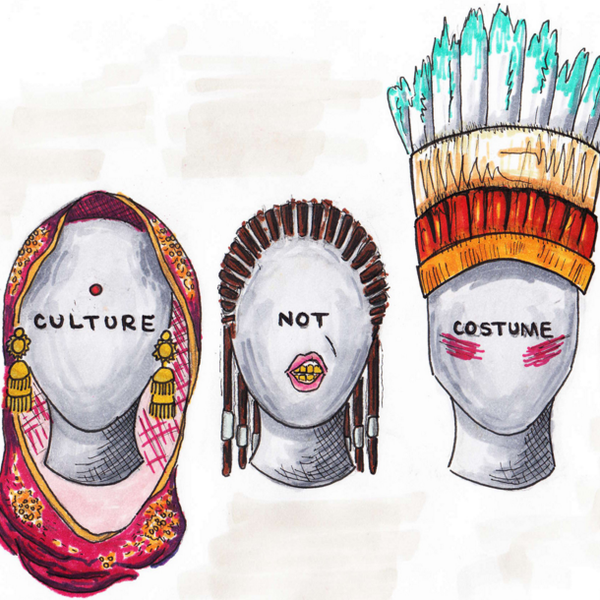
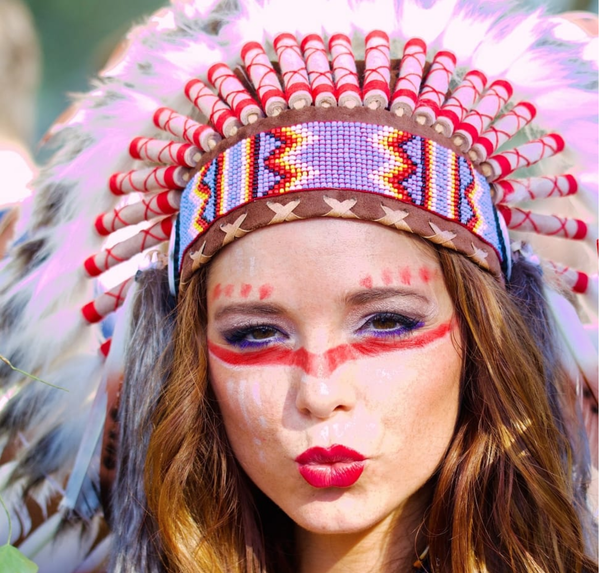
With Halloween fast approaching, it’s about that time where we all start scrambling to get a costume picked out. Of course, we all want to have the best costume, so I’m here to give you a hint to having the absolute best one: do not wear another culture as a costume. Do not wear a war bonnet or Native American dress, do not wear a sombrero and serape, do not wear a bindi and a sari. If you are not a member of these cultures, do not, do not, do not wear these things.
You may be asking yourself now, “Well, why can’t I? It’s all harmless! It’s just a costume!” However, it is not just a costume; it’s a culture. When you dress up as a stereotypical version of a culture, it’s not only extremely ignorant, it’s also extremely offensive. If once again you’re thinking “Come on, it’s just a costume,” I sincerely hope you reconsider. By dressing up as these stereotypical caricatures of a rich culture, you’re basically saying that you believe this culture to be a joke, or even worse, something scary. In reality, these are beautiful, flourishing cultures with a deep history that you are essentially erasing to create a “funny” costume for one night of your life.
When discussing this topic, it’s also important to touch on the topic of cultural appropriation. Cultural appropriation, to put it simply, is when you take something from a culture that isn’t yours without the permission of someone within that culture. This can range from hair styles to clothing to music to a plethora of other things. Cultural appropriation is especially harmful when the cultural majority is taking parts of the minority’s culture.
There are many examples of cultural appropriation within our society today: wearing dreadlocks when you aren’t apart of the African American culture, wearing a war bonnet when you are not Native American, or wearing a bindi if you don’t follow one of the religions that wear it. The problem that comes from people outside of these cultures wearing these styles is that they are generally praised by the public for doing so; they are seen as fashionable, beautiful, and cool. When people from the actual culture wear these items, they are often mocked or belittled for their choice to do so; they are seen as old-fashioned, unprofessional, and just straight up bad.
Cultural appropriation also becomes a problem because there is a lack of appreciation for the culture the person is borrowing from. It seems that when these people take from other cultures, they’re doing it to be “fashionable” or “groundbreaking;” it’s not because they appreciate and respect the deep history that come with these items and their cultures. It erases the accomplishments and discredits these cultures for the beautiful symbols they have created. It turns these cultures into jokes or something to be scared of, when they are actually something to be celebrated.
There is nothing funny about stereotyping another culture in order to create a costume, and so we have to do something about it. As a part of the cultural majority, create a costume this Halloween that isn’t going to stereotype and offend people. Before you put on that war bonnet or try to recreate dreadlocks, think about how this isn’t an actual representation of that culture; it is your own, stereotypical, internalized racist view. Remember that if you did actually respect this culture, you wouldn’t turn it into a costume. Appreciate other cultures, don’t appropriate them.