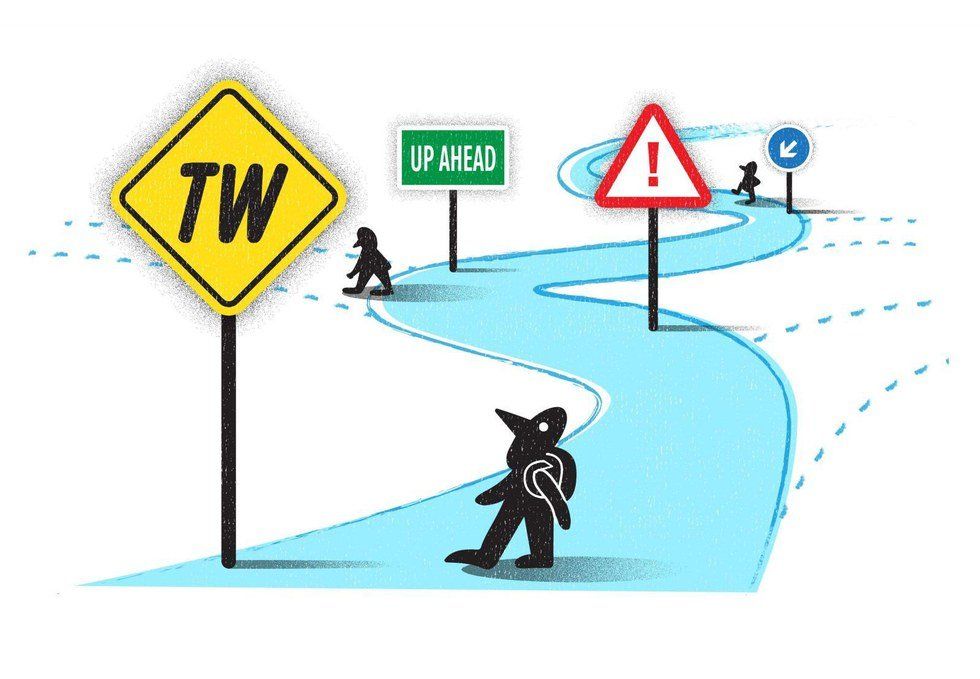
You’re in a room face-to-face with one of your worst fears—something that traumatized you in the past—without any warning. No one else in the room has experienced what you have, so none of them feel the debilitating fear that you do. You feel trapped. Leaving the room would draw attention to yourself, but staying makes you feel unsafe. A quick warning ahead of time would have avoided this whole situation.
This is what some students are subjected to when they attend class—an environment that is supposed to be optimal for learning. It becomes a place where some are forced to relive traumatic experiences surrounded by their peers. Trigger warnings are the logical answer.
These warnings would alert students ahead of time to graphic material that will be presented in class, helping those with post-traumatic stress disorder who may be sensitive to subjects such as war, torture and rape.
Many students at colleges around the country have requested the use of trigger warnings. Whether they’re warnings for literature or lectures, they allow students with these afflictions to prepare themselves for the material about to be discussed and do any mental prep they need for the difficult memories that might get revisited.
“We have students coming to us with serious issues, and we need to deal with that respectfully and seriously,” Oberlin college associate professor Meredith Raimondo said in a New York Times article.
Some academics argue that trigger warnings “suggest a certain fragility of mind that higher learning is meant to challenge, not embrace;" however, this isn’t about students having fragile minds or challenging the way someone thinks. This is about being considerate for those who’ve been traumatized and giving them a heads up before they’re exposed to something that can remind them of an emotional wound. Telling a student to stop being so sensitive and just deal with whatever difficult material is being presented to them is like telling someone with a broken leg to go for a jog.
Not all students coming into college have experienced a cushioned life free from difficult experiences. There are students who are victims of abuse or rape survivors or even coming back from war. So while some might think trigger warnings are a waste if the majority of students don’t need them, universities are supposed to support all of their students.
A school wouldn’t forgo installing a handicap ramp just because most of their students don’t need it, and I think this logic should be applied to the use of trigger warnings. For how helpful it can be to some students, taking the time to put a small disclaimer before certain topics are discussed is a small price to pay.
Using trigger warnings doesn’t mean professors have to censor what they teach. Using trigger warnings isn’t a threat to academic freedom. Using trigger warnings doesn’t mean students are going to be sheltered and unprepared for the real world, because a student needing trigger warnings has obviously already experienced the real world. Using trigger warnings is just a common-sense method that allows students to grow and expand their learning without feeling like their classroom is a potential mental warzone.