
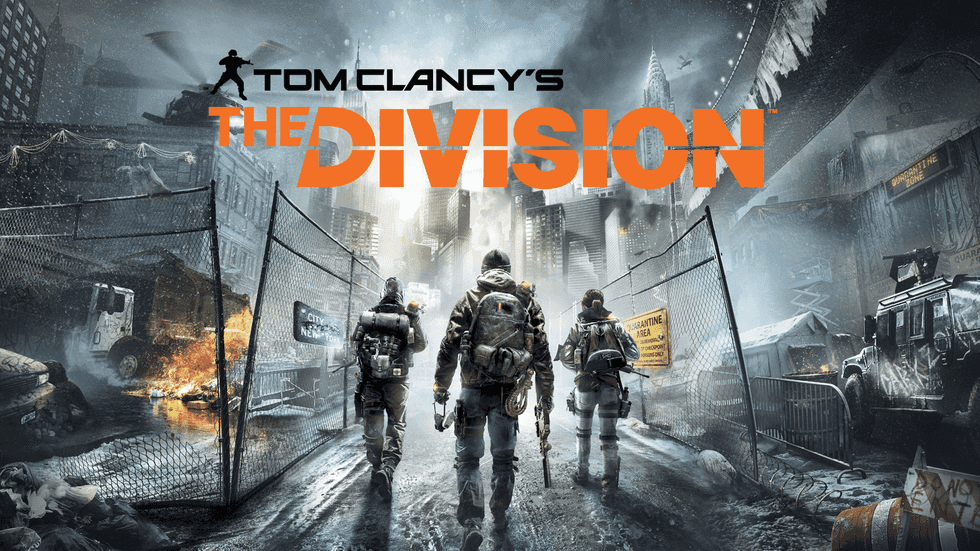
So by now "Tom Clancy’s The Division" has been out for about a week. I’ve personally already logged over a dozen hours into the game and don’t see myself stopping anytime soon, nor do I see any of my friends stopping either. So what makes this game stand out, as opposed to other recent big shooter releases such as "Star Wars: Battlefront" or "Call of Duty: Black Ops 3?"
"Tom Clancy’s The Division" breaks away from the mold of common shooter games. It dives into a more RPG-esque direction, giving the player the ability to customize his or her character, increase their skill on a level-based system and roam freely with friends in an open-world dystopian New York City. However, despite all of the RPG elements, the game at its core is still very much a shooter. All of these concepts combined make for a beautifully developed game with well-applied gaming mechanics. That being said, what exactly did Ubisoft do right with this game?
For starters, it breaks the mold. In regards to my last article concerning Ubisoft’s boldness with developing a "Far Cry" game in the prehistoric age; "Tom Clancy’s The Division" is also a bold game in terms of mainstream game development. In recent years, shooter games have had a fairly simple template: in-and-out online matchmaking based gameplay with little to no narrative or player interaction whatsoever (think "Star Wars Battlefront" or 2014’s "Titanfall"). The Division sought to implement the open world environment and mechanics of an MMO (massively multiplayer online) video game while also still providing the same core values of a shooter game. This game creates a hub system much like that of "World of Warcraft;" you’re free to interact with the other players roaming around the game but you’re not forced to. It creates a sense of community completely unseen in other shooter games. The given narrative also breathes life into every corner of New York City, constantly reminding you of why you’re there and providing for an even more immersive gaming experience.
You could argue that Bungie’s "Destiny" did all of this first and maybe "The Division" even copied certain mechanics from that game, but that’s actually not likely. "Tom Clancy’s The Division" was first officially announced during E3 of 2013, more than a whole year before "Destiny" was released. This means that "The Division" was well in the works before the concept of an MMO-Shooter was fully realized. And even in some respects, I feel that "The Division" nailed certain mechanics that "Destiny" simply couldn’t. Granted, "The Division" remained in development hell for two whole years after the release of "Destiny," officially being stuck for three years in total. But this isn’t such a bad thing.
The fact that it remained in development for so long is potentially another reason why this game stands out from the rest. Ubisoft actually took their time with this game to make sure it was exactly what they wanted. For the most part, this is fairly unheard of in mainstream game development because most big publishers want games churned out on a yearly or bi-yearly basis to meet certain quotas. Hell, Ubisoft even does that with their "Assassin’s Creed" franchise. However, Ubisoft and the associated studios really did take their time with this game and it was all for the better as we got a complete experience rather than a divided one (pun intended). Maybe this is indicative of lessons learned from Ubisoft’s past failures such as "Watch Dogs" and "Assassin’s Creed Unity." If that’s the case, this is a huge step in the right direction.
Lastly, "The Division" is already panned to receive both a constant streamline of paid expansions as well as free content patches. This will ensure a long lasting gaming experience as it gives players extra incentive to stick around. For those like me who absolutely love the game, this is a great thing.
So what could this mean for the future of shooter games? "Tom Clancy’s The Division" has officially raised the bar in what it means to be a good video game. It's diverted from the norms and clichés of modern shooter games, the developers took extra care by not rushing development, and we’re panned to get free extra content. What more could you honestly ask of a game? Perhaps big developers will notice the care and time given to this game and lean toward doing the same in the future. Maybe big developers will learn that ‘different’ isn’t always a bad thing. I give this game the fullest recommendation possible and implore anyone to play this actual history in the making.