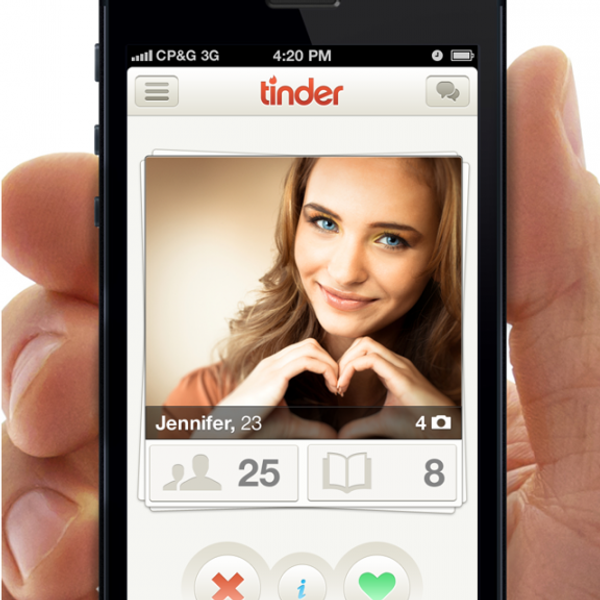


Tinder is just another medium of social media that provides its users with the opportunity to meet new people and potentially find individuals who are looking to be friends — or more than friends. Besides the real purpose of Tinder, its system has ultimately shifted the perspective and approach to first encounters for its users. This application has created a displeasing and uneasy shift in the behavior and attitude of its users. The source of this problem is rooted from the swipe culture that Tinder has created.
On Tinder, you either “swipe left” if you find someone unattractive or “swipe right” when you do find that individual attractive. Swiping left has become associated with negative experiences and people we dislike, while swiping right has become a positive action. This way of thinking has ultimately challenged the mentality that has been implemented in our minds since we were little: “Don’t judge a book by its cover.” This application has adapted to users to be able to make snap decisions within seconds.
This swipe culture is merely a play on the human brain’s thought process. As human beings, we already rely heavily on our brain to make snap judgments and quick decisions. Certain individuals just don’t want to spend a few extra minutes thinking and putting thoughts into decisions that can be made quickly. This is how Tinder is playing our minds. Users are judging individuals based on the default picture they choose to show. Sometimes there are users who decide to look at more pictures that the individual they are looking at has posted, or they may look at the small biography provided by the user, but otherwise, users are just making quick and snap judgments when choosing if they want to connect with that person or not. This mentality and way of thinking has ultimately created simple-minded beings. Sure, the purpose of Tinder is to interact with those around you and to be able to choose who you wish to talk to, but it also creates the sense that people who are swiped left on are of lesser value than individuals who are swiped right on. Tinder is creating a dense personality out of its users. This may sound like a shocking statement, but there are more to individuals than what meets the eye.
Not only have we become used to swiping left or right, but we have also become adapted to the mentality of being interested or uninterested with first glance. Tinder users have become closed-minded. While this application was designed to “discover those around you,” you are really just discovering people you are interested in. Users have become so accustomed to this swipe culture that they are physically saying "swipe left” or “swipe right” in real life interactions. These two new phrases that have emerged from this dating application hinder the approach users take in their daily interactions. Yes, sometimes snap judgments are more reliable, but this is also life, and if you just put in a little more effort into getting to know someone you will probably find something you like about them.
Tinder is making its users forget the value of real interactions and connections. By using the brain’s thought process to make snap judgments, this application has become successful. But in order to form successful relationships in life, users have to find a better approach than just swiping left or swiping right.