

The overly cheerful default tone that normally awakened me from a deep night’s sleep at 7 a.m. became more irritating every morning. The end of senior year is supposed to be a celebratory time filled with dances and socials and ditch days. But for me, it was a nightmare that I couldn’t seem to wake up from. But the reason I couldn’t wake up probably had a lot to do with the fact that I couldn’t fall asleep.
We’ve all had sleepless nights where hours of tossing and turning leads to nothing but stress and counting down of minutes until the alarm clock rings. This became my normal. On a good night, I slept two hours. Everyone remembers from science class that sleep is an essential life process. But as with many things, you don’t appreciate its importance until it’s gone. Every morning, I would drag myself out of bed to school where I found it harder and harder to keep my grades up. As the weeks wore on, I became increasingly worried that something was seriously wrong and went to see my doctor. I was sleeping so little that I expected to be diagnosed with a rare disease caused by some weird amoeba that no one had ever heard of. But the answer was much simpler.
The amount of stress that I was under from the craziness of senior year was so overwhelming that I developed insomnia.
As I said before, senior year is a time that’s supposed to be about making memories with the people you’ve surrounded yourself with for the past four years. But it’s also about “lasts.” Last football game. Last homecoming. Last day in math class sitting next to your best friend. And these “lasts” so quickly turn into “firsts” that you don’t even have time to blink. First day at college. First time living in a dorm. First time being away from home. Like many other people who were too afraid to admit it, these “firsts” terrified me. From the beginning of my senior year, any mention of the word “college” at all was enough to send me into a panic. I knew that I was worried about going away to college, but I never knew just how damaging it could be to my health. I now know that it’s due to the fact that the importance of mental health is rarely emphasized or even talked about at all.
I remember the first time I watched the movie "Psycho." Poor Marion is unwinding after a long day when that screeching music crescendos to a halt. Marion is brutally murdered by the seemingly deranged character, Norman. When most people think of Norman, they think of someone who is dangerous or “crazy” because of the way the film portrays his dissociative disorder. But we forget that real people suffer from various forms of mental illness. And the depictions we see in film aren’t accurate portrayals. Sure, it’s just a movie. But what about the newscasts we see covering violent crimes? More often than not, there is speculation that the perpetrator has a mental illness. Then there’s more “crazy” talk and discussion that makes people believe that those who suffer from mental illness are different from the rest of us. As you can imagine, many of those with a mental illness don’t disclose it because they don’t want to be viewed this way. For decades, mental illness has been seen as a taboo subject that no one wants to talk about. But starting now, we need to talk about it.
You may think that my story is unusual, but it’s not. A recent survey by the American College Health Association showed that one out of every six college students has been diagnosed with or treated for anxiety in the past year. Fortunately for me, I found ways to help manage my stress. But a large percentage of those experiencing anxiety will eventually develop more serious psychological problems. This is primarily because people do not seek help for fear of what others will think. As a society, we must start recognizing that mental illnesses are just as serious as physical problems. Even if you do not struggle with your mental health, you likely know plenty of other people who do.
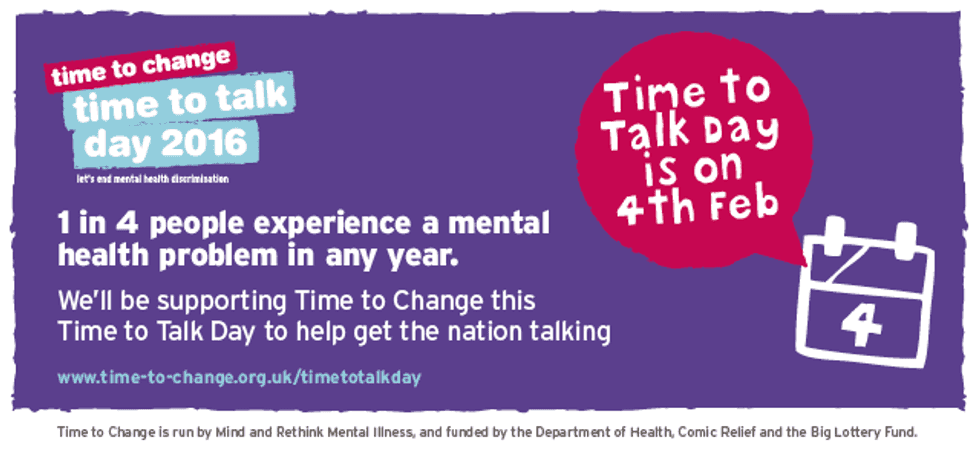
Everyday life can be stressful and the truth is that everyone experiences stress and anxiety to some degree. But when stress consumes you or someone you know, please talk to someone you trust about it immediately. Most people do care and are willing to help if you reach out to them. In addition to talking to friends and family, most college campuses now have improved counseling services available to students. Although we don’t always realize it, mental illness is more prevalent now than it ever has been. So now is the time to start talking about it.